Add Row
Add Element
cropper
update

{COMPANY_NAME}

cropper
update
Add Element
  • Repair
    • HVAC
    • Plumbing
    • Roofing
  • Remodel
    • Remodeling
    • Floors
    • Bathrooms
    • Kitchens
  • Menu 3
  • Menu 4
  • Menu 5
  • Menu 6
Add Element
  • update
  • update
  • update
  • update
  • update
  • update
  • update
October 07.2025
12 Minutes Read

Don’t Miss Houston’s Hurricane Season Roof Checklist!

Will your roof stand up to Houston’s next hurricane—or has it already developed hidden weaknesses that could lead to costly repair or catastrophic failure?

Every year, hurricane season brings severe storm damage and high winds to the Houston area, testing the durability of every roof and increasing the risk of roof damage. Ignoring essential roof inspection and roof maintenance steps could leave your Houston home vulnerable to costly roof damage and storm damage during hurricane season. But with the right knowledge—and a true Guardian like Kainos Roofing and Exteriors on your side—you can ensure your roof is storm-ready all season long.

  • How to identify what fails most often on Houston roofs

  • Steps for roof inspection and maintenance before hurricane season

  • When to consider roof repair or replacement

  • What questions to ask your roofing contractor

  • Key materials and upgrades for storm protection

  • Expert tips from Kainos Roofing and Exteriors


Houston’s hurricane season roof checklist what fails most often: Homeowner checking roof before storm season in a vivid, lush Houston neighborhood, palm trees, storm clouds in the distance.

Are You Prepared? The Essential Houston’s Hurricane Season Roof Checklist Revealed

With hurricane season upon us, every Houston homeowner faces a critical question—is your roof truly ready for the relentless winds and pounding rainstorms that may come your way? Houston’s hurricane season roof checklist what fails most often is more than just a set of guidelines—it's your blueprint for protecting your home, family, and investment. Many roofs look fine from the ground, but hidden roof damage like granule loss, flashing failure, and unaddressed leaks can mean disaster when the storm hits. By following Kainos Roofing and Exteriors' expert-backed hurricane season roof checklist, you’ll identify common roof damage and understand how professional roof inspection and prompt roof repair safeguard your Houston home from severe storm damage.

Ignoring this checklist is a risk no Houston homeowner should take. You’ll get proven strategies for thorough roof maintenance, learn the right questions to ask your roofing contractor, and discover which roofing materials and upgrades offer unmatched protection during the storm season. Don’t let minor issues turn into major headaches—take action today to ensure your roof stands strong as your first line of defense.

Understanding Hurricane Season and Roof Failure in Houston

Every year, the Houston area experiences powerful storms with high winds and intense rain—conditions that test even the strongest roofs. A single hurricane can expose existing roof vulnerabilities or cause brand new damage, especially when proper roof maintenance has been neglected. Understanding why Houston homes are especially susceptible to roof damage during hurricane season can help you avoid expensive roof repair and roof replacement costs while safeguarding your home’s value. The local weather conditions—driving rain, sudden wind gusts, and airborne debris—can lead to granule loss, broken shingles, and even complete roof failure. And it’s not just about the big storms; smaller wind and rain events add up, wearing down your roof over time.

Kainos Roofing and Exteriors understands this challenge: Houston’s hurricane season roof checklist highlights the most common roof damage and failure points unique to Houston homes, helping Houston homeowners prepare effectively. Issues like roof inspection neglect, missing or damaged shingles, poor attic ventilation, and weak flashing are alarmingly common. When left unchecked, these issues may spiral into major leaks, insulation problems, and even interior water damage. That’s why proactive inspections and timely roof repair or roof replacement are so critical, especially as the peak of hurricane season approaches.

Why Houston’s Hurricane Season Roof Checklist is Crucial for Every Houston Home and Homeowner

Every Houston home must withstand some of the harshest storms in the country. Unlike routine weather, a hurricane’s high winds and torrential rains will quickly exploit any weakness in your roofing material, flashing, or sealants. Following a comprehensive hurricane season roof checklist isn’t just suggested—it’s essential for protecting your home and ensuring your peace of mind. Proactive steps now can extend the lifespan of your roof, avoid costly repairs, and even lower your insurance risks.

Neglecting this checklist or putting off roof maintenance often results in hidden roof damage that only shows itself when it’s too late—imagine discovering a major leak or structural damage during a storm. Routine roof inspection, thorough storm damage assessment, and timely roof repair are vital steps in protecting your Houston home from hurricane season roof damage and costly repairs. Kainos Roofing and Exteriors is dedicated to empowering Houston homeowners as true guardians of their property, providing guidance that’s proven to limit storm-related losses and maximize the lifespan of every Houston home’s roof.

Common Roof Damage During Storm Season: What Fails Most Often

What fails most often in Houston during hurricane season? According to industry veterans, the most common failures include granule loss on asphalt shingle roofs, missing or damaged shingles, compromised flashing, and clogged gutters. High winds can rip off poorly secured shingles or expose loose flashing, while flying debris causes punctures and tears to various roofing materials. Granule loss and wind-driven rain also wear down the protective layers of your roof, leading to water intrusion and even costly repairs.

Kainos Roofing and Exteriors often observes how minor roof damage can escalate into major storm damage without proper roof maintenance and timely roof repair. For Houston homeowners, ignoring maintenance or a delayed roof repair can mean the difference between a quick, affordable fix and a full roof replacement or interior restoration. Protecting your home starts with knowing these vulnerabilities—so you can address them before storm season is in full swing.

"Regular, proactive roof inspection is your first line of defense against hurricane damage," says a leading Kainos Roofing expert.
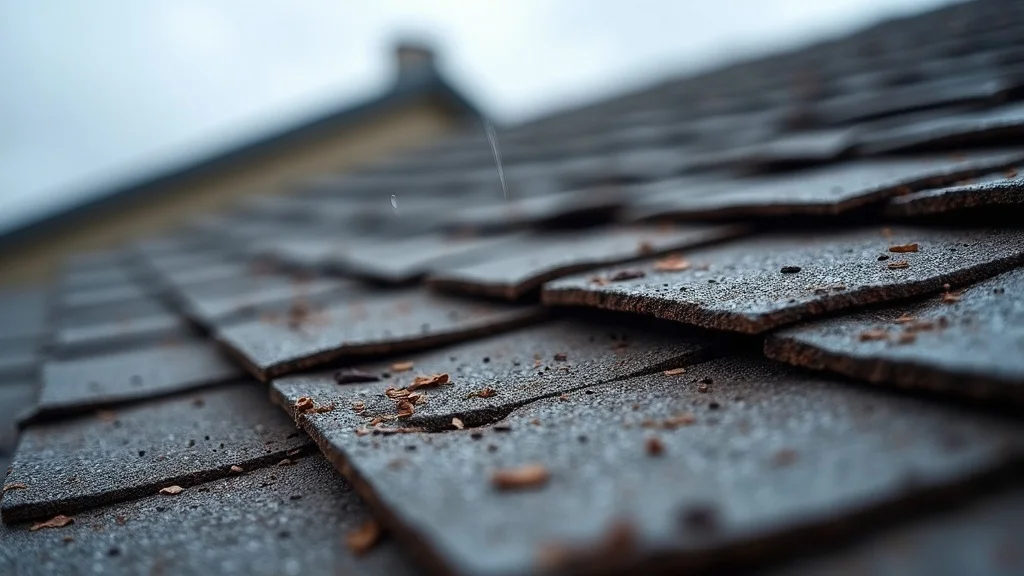

Roof inspection showing granule loss, damaged flashing, and storm debris on a Houston roof during hurricane season, highlighting areas that fail most often.

Houston’s Hurricane Season Roof Checklist: Step-by-Step Guide

Ready to protect your home and wallet? Here’s the precise, storm-tested checklist that Kainos Roofing and Exteriors provides for all Houston homeowners:

  1. Schedule a professional roof inspection

  2. Check for shingle granule loss and storm damage

  3. Inspect flashing, valleys, and gutters

  4. Evaluate roofing material integrity

  5. Ensure roof maintenance routines are up-to-date

  6. Assess attic ventilation and insulation

  7. Consult a roofing contractor for necessary roof repair or roof replacement

Houston’s Hurricane Season Roof Checklist vs. Common Failure Points

Checklist Step

Most Common Failures

Roof Inspection

Undetected minor leaks

Granule Loss Assessment

Weakening of shingles

Roofing Material Evaluation

Loose/missing shingles

Flashing & Gutter Check

Water infiltration points

Roof Maintenance

Deferred damage repair


Professional roof inspection for Houston’s hurricane season checklist: Inspector using a clipboard and tools on a Houston home roof, demonstrating essential inspection steps.

Roof Inspection in Houston: Identifying What Fails Most Often

Every effective roof inspection in Houston begins with a focus on vulnerable areas that most frequently fail during hurricane season. Start by checking for granule loss on asphalt shingles—look for bare patches or excessive shingle debris in gutters, a sure sign of weakening protection against high winds and driving rain. Examine all flashing, especially around chimneys, valleys, and skylights, as storm damage here can quickly lead to water infiltration and costly repairs. Houston homeowners should never overlook the condition of gutters and downspouts, since clogs can force water back onto the roof, accelerating deterioration and increasing the risk of leaks into your attic or walls.

Additionally, a roof inspection must include the attic. Signs of water stains, mold, musty odors, or insulation compression indicate hidden roof damage above. Attics provide clues about tiny leaks or storm damage that can quickly worsen if left untreated. Kainos Roofing and Exteriors advises Houston homeowners to schedule a professional roof inspection annually, especially before and after hurricane season, to detect roof damage early. This ensures your roof repair and maintenance schedule keeps up with the city’s challenging weather conditions—and delivers invaluable peace of mind.

Key Signs of Roof Damage, Granule Loss, & Storm Damage

The telltale signs of roof damage that Houston homeowners should watch for include loose or missing shingles (especially after high winds), areas with visible granule loss, cracked or curled shingles, and deteriorated flashing. These failures, when left unchecked, often escalate—minor granule loss on asphalt shingles can quickly become a leak, and missing or damaged flashing around skylights or vents is a top culprit of water stains and rot inside the attic. Storm damage can also appear as punctures or torn underlayment, visible both on the rooftop and inside your attic.

Don’t forget the subtler indicators: pooling water near gutters, blocked downspouts, or the presence of shingle debris on the ground after a storm are all signals that immediate attention is needed. According to Kainos Roofing and Exteriors, a professional roof inspection targeting these issues is the key to avoiding major roof replacement costs and prolonging your roof’s life.

"Houston homeowners should never ignore loose flashing or missing shingles after a storm, as these are the most common sources of water intrusion." – Kainos Roofing


Houston homeowner performing attic inspection for hurricane season: Checking insulation and ventilation, flashlight illuminating areas prone to storm damage and granule loss.

Roof Repair or Roof Replacement: Making the Right Choice for Storm Season

With hurricane season looming, distinguishing between the need for simple roof repairs and a full roof replacement is essential for every Houston homeowner. Minor roof damage like missing shingles or small leaks typically calls for roof repair, which can save Houston homeowners time and money compared to a full roof replacement. However, repeated issues, large sections of granule loss, or underlying material failure usually mean a roof replacement is both safer and more cost-effective in the long run. Choosing the right path protects your home from extensive storm damage and eliminates the threat of continuous costly repairs year after year.

Kainos Roofing and Exteriors underscores how weather conditions unique to the Houston area can rapidly transform undetected minor problems into major emergencies. Consulting a professional roofing contractor after a thorough inspection ensures you’re not just treating the symptoms but resolving the root causes of your roof’s vulnerabilities.

When Roof Repair is Enough vs. When to Consider Roof Replacement

  • Extent of roof damage

  • Age and type of roofing material

  • Frequency of past roof repair

  • Recommendations from a professional roof inspection

If your roof is under 15 years old and has only localized, recent storm damage, targeted roof repair is often sufficient. However, roofs with repeated or spreading issues—especially older Houston homes with aging roofing material—may be better served by roof replacement. Weigh the recurring cost of repairs against the peace of mind and resilience that a full replacement can provide during hurricane season. Always rely on recommendations from a trusted roofing company to guide your decision.

Working with a Reputable Roofing Contractor for Houston Homes

Finding a reputable roofing contractor is a non-negotiable step in effective storm preparation. Only a qualified Houston roofing company can accurately identify hidden roof damage, offer honest roof inspection assessments, and perform roof repair or roof replacement using materials designed for Houston’s hurricane season. Look for contractors who are licensed, insured, and offer detailed written estimates. Kainos Roofing and Exteriors goes one step further—acting as a true Guardian of your Houston home by providing free inspection reports, ongoing maintenance plans, and long-term warranties on all work.

Don’t hesitate to ask your contractor about past experience with hurricane season roof repairs, the brands of roofing materials used, and whether they offer emergency response during storm season. Building a trusted relationship today means peace of mind when the next hurricane arrives.

Trusted Houston roofing contractor advising homeowner during hurricane season, new roof in background, showing partnership and storm-readiness.

The Role of Roof Maintenance in Preventing Hurricane Season Failures

Consistent roof maintenance is the backbone of a long-lasting roof, especially in the Houston area where hurricane season and storm damage can quickly accelerate wear and tear. Without regular upkeep—removing debris, cleaning gutters and downspouts, replacing damaged shingles, and checking attic ventilation—small problems can snowball into major roof damage during a single hurricane. Roof maintenance not only extends the lifespan of your roof but also ensures that vulnerable points are addressed proactively, preventing water leaks, mold, and structural damage.

Establishing a twice-yearly maintenance schedule is the best way to avoid costly repairs. This routine helps Houston homeowners spot missing or damaged shingles, perform minor roof repair before the next storm season, and keep insurance coverage valid. Kainos Roofing and Exteriors places a high value on educating their clients—empowering you to be both proactive and confident about protecting your home far into the future.

  • Clean gutters and downspouts

  • Trim overhanging branches

  • Replace damaged or missing shingles

  • Check attic insulation and ventilation

"Consistent roof maintenance can add years to your roof’s life, even in Houston’s tough hurricane season." – Kainos Roofing and Exteriors


Well-maintained Houston residential roof and gutters, clean and rain-ready before hurricane season, trimmed branches above, water flowing freely.

Best Roofing Materials and Upgrades for Houston’s Hurricane Season Roof Checklist

Choosing the right roofing material is the foundation of a resilient Houston home that can withstand hurricane season and minimize roof damage. Not all materials perform equally during hurricane season—some, like asphalt shingles, are affordable but more susceptible to granule loss and high winds, while metal roofing and tile offer longer lifespans and superior resistance to storm damage. Upgrading older roofs, or simply reinforcing them with modern underlayment, storm-rated shingles, and advanced fasteners, can significantly bolster your home’s defense.

When considering roof replacement, ask your roofing company for product comparisons and manufacturer recommendations tailored to Houston’s severe storm conditions. Investing in storm-ready upgrades today could mean thousands saved in roof repair costs tomorrow—and, more importantly, an intact, dry home when disaster strikes.

Comparing Common Roofing Materials: Asphalt Shingles, Metal Roofing, Tile

Material

Hurricane Durability

Typical Lifespan

Replacement Cost

Asphalt Shingle

Moderate

15-20 years

$$

Metal

High

30-50 years

$$$$

Tile

Very High

40-50 years

$$$$$


Houston roof checklist showing close-up comparison of asphalt shingles, metal roofing, and tile roofs for hurricane season durability in Houston homes.

Upgrades for Storm Season: Flashing, Fasteners, and Underlayment

Storm-rated upgrades, including advanced roofing materials and professional installation, can be a game-changer for any Houston home facing hurricane season. Modern flashing, hurricane-rated fasteners, and advanced underlayment create a more resilient roof system, reducing the chance of shingle loss or water intrusion during hurricane season. Flashing around chimneys and valleys must be reinforced and sealed, while high-grade synthetic underlayment creates another layer of defense beneath the visible roof surface.

Ask your roofing contractor about the best storm-proof accessories and installation techniques for your specific roof style. Sometimes, these upgrades add only a small percentage to your roof replacement cost, but the added peace of mind and property protection are priceless for Houston homeowners facing another unpredictable storm season.

People Also Ask: Addressing Top Houston’s Hurricane Season Roof Checklist Concerns

What is the most common roof damage?

Shingle loss, granule loss, and flashing failure top the list of roof damage during Houston’s hurricane season. These failures often result from high winds and flying debris.

How long should a roof last in Houston, Texas?

In Houston, most roofs last between 15–25 years depending on materials, installation, and maintenance. Houston’s harsh weather can shorten the lifespan, especially if regular maintenance is neglected.

What to ask during a roof inspection?

Key questions include: Are there signs of granule loss? Is flashing secure? Any evidence of leaks or water stains? Are all roofing materials intact? Is additional roof repair or maintenance needed?

What type of roof would most likely be torn off in a hurricane?

Lightweight roofing materials such as older, poorly installed asphalt shingles are most likely to fail. Upgraded materials like metal roofing or storm-rated shingles are highly recommended for Houston homes.

Expert Advice: Houston’s Hurricane Season Roof Checklist Tips from Kainos Roofing

  • Inspect your roof at least twice yearly

  • Don’t ignore minor damages or leaks

  • Invest in higher-grade hurricane-rated roofing materials

  • Choose a trusted local roofing company for inspections and repairs

  • Always document roof maintenance and inspection dates

Kainos Roofing and Exteriors provides not just repairs or inspections—but holistic protection and ongoing guidance. Stay ahead of storm season with top-rated products, proven checklists, and a partner who values increasing your home’s value above all.
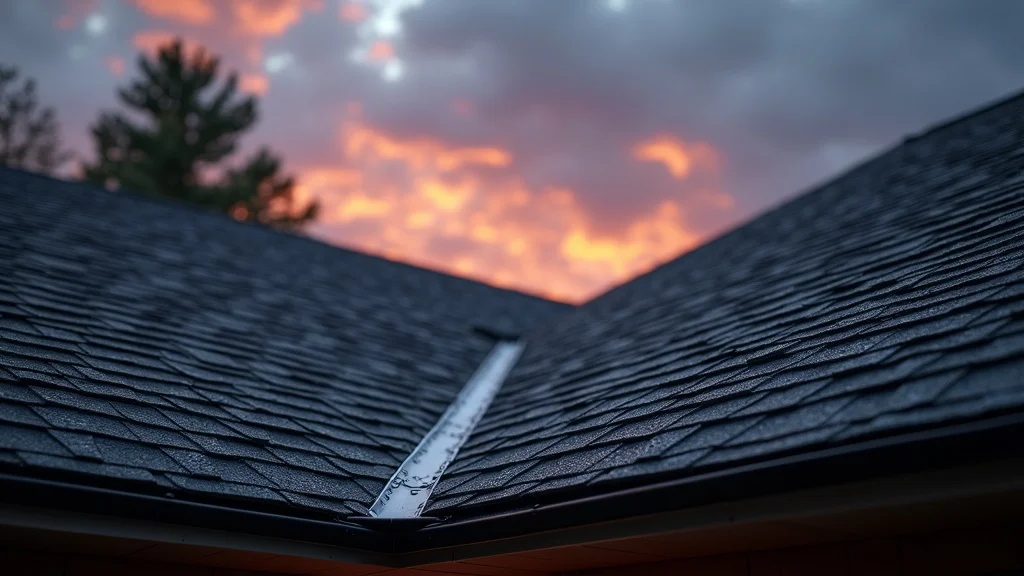

Resilient Houston home roof after upgrades for hurricane season: Reinforced shingles, glistening flashing, secure and storm-protected.

FAQs: Houston’s Hurricane Season Roof Checklist What Fails Most Often

How can I tell if my roof is ready for hurricane season?

Check for loose or missing shingles, granule loss or buildup in gutters, visible flashing issues, clogged downspouts, and any interior attic water stains to ensure your roof is ready for hurricane season. If in doubt, schedule a professional roof inspection for peace of mind before storm season hits.

Do I need a roofing contractor for basic repairs?

While handy homeowners can handle minor tasks like cleaning gutters or replacing a single shingle, larger repairs, recurring leaks, and hurricane season preparations should always be handled by a licensed Houston roofing contractor to ensure quality and safety.

What’s the difference between roof repair and roof replacement costs?

Roof repair costs are generally lower and address specific, isolated damage. Roof replacement is required when damage is widespread or the roof is nearing the end of its lifespan. While a roof replacement is more expensive, it offers far superior protection during hurricanes and adds to the home’s long-term value.

Are there grants or insurance for storm-related roof repair or roof replacement in Houston?

Many insurance policies cover storm-related roof damage, especially when documented by a professional roof inspection. After a major storm or hurricane, ask your roofing contractor about available grant programs or insurance claim assistance specific to the Houston area.

Next Steps for Houston Homeowners

Protect your Houston home now: use this hurricane season roof checklist to find and fix vulnerabilities before the next storm—and remember, Kainos Roofing and Exteriors is always here to safeguard your biggest investment.


Visit us online for our amazing instant roof quote. You don't have to talk to anyone! https://kainosroofing.com/instant-roof-quote/

Ask the Pros Roofing

3 Views

0 Comments

Write A Comment

*
*
Related Posts All Posts

Seasonal Roofing Strategies for Houston: Preparing for Storms and Heat Year-Round

Startling Fact: Did you know that Houston experiences an average of over 50 days annually with heavy rain and intense heat cycles that can degrade roofs faster than in many other U.S. cities? Understanding these unique challenges is crucial for every Houston homeowner aiming to protect their investment year-round.Houston’s climate presents one of the toughest environments for residential roofing, with a relentless blend of storm threats—like hurricanes and hail—and persistent high humidity combined with blazing summer heat. This comprehensive guide on Houston seasonal roofing strategies dives into how homeowners can adapt their roof maintenance, inspection, repair, and material choices throughout the year for maximum protection and durability.With expert insights from Jimmy Vitulli of Kainos Roofing & Exteriors, along with industry leaders like Guardian Roofing, we explore practical checklists, timing considerations, and Houston-specific environmental factors to keep your roof working optimally in every season. Concerned Houston homeowners observing the approaching storm, illustrating the need for seasonal roofing strategies.Startling Facts About Houston’s Roofing ChallengesHouston’s roofing challenges stem from the city's unique weather patterns. The area endures frequent intense storms, heavy rainy seasons, and extreme summer heat, which place extraordinary stress on roofing materials and structures. Unlike other regions, Houston’s roofing systems must simultaneously resist moisture intrusion and withstand prolonged UV exposure, causing accelerated wear.Another major factor is Houston’s coastal proximity, with salt-laden air that accelerates corrosion on metal fixtures and degrades shingles faster than inland locations. These environmental stressors manifest in common roof failures like shingle blow-offs, accelerated algae growth, and weakened seals around vents and chimneys, often unnoticed until costly damage occurs.Jimmy Vitulli, of Kainos Roofing & Exteriors, explains, “Houston’s climate demands roofing strategies that are proactive, addressing both immediate storm risks and the slow degradation caused by humidity and salt air. Without a tailored approach, homeowners risk unexpected damage and costly repairs.” This holistic understanding is key to crafting successful Houston seasonal roofing strategies.Overview of Houston Seasonal Roofing StrategiesJohn Despeaux, of Guardian Roofing, explains, “Houston’s combination of heavy rain, humidity, and intense heat demands a roofing approach that adapts throughout the year to protect homes effectively.”Effective Houston seasonal roofing strategies involve tailored actions specific to each quarter’s challenges. This approach integrates detailed inspections, timely maintenance, material selection, and repairs that account for Houston’s climate cycles. Instead of generic advice, homeowners benefit from understanding the rhythms of local weather — from late-summer hurricane prep to spring gutter cleanings.Incorporating these seasonal tactics helps protect roof integrity, extends lifespan, and reduces long-term costs. For example, the fall period is crucial for pre-hurricane inspections, where vulnerabilities are spotted before storm surge and wind damage occur. Conversely, summer calls for ventilation checks and UV-resistant treatment to combat heat-related deterioration.Understanding Houston Roof VulnerabilitiesRoofs in Houston face a combination of threats seldom seen together. High humidity promotes moisture retention that can cause mold, mildew, and rot in wood decking and underlayment. Hailstorms, common in Houston’s spring and early summer, physically damage roof surfaces by cracking or puncturing shingles. Meanwhile, intense heat cycles cause thermal expansion and contraction that stress fasteners and seals.Exposure to salt air further compounds these vulnerabilities by accelerating rust on metal components like flashing, nails, and gutters. When these components fail, even minor leaks can escalate into major interior water damage. Understanding these climate-related weaknesses allows Houston homeowners to deploy preventive measures effectively tailored for their environment. Visual signs of storm, hail, and humidity damage on a Houston roof evidencing climate-related vulnerabilities.Preparing for Houston’s Hurricane Season: Essential Roof Inspection and MaintenanceKey Roof Inspection Checklist for Hurricane SeasonCheck for loose or missing shinglesInspect flashing and seals around vents and chimneysAssess gutters and drainage systemsLook for signs of water intrusion or damageSeptember marks a critical time for Houston homeowners to perform comprehensive roof inspections ahead of the hurricane season. Checking for loose or missing shingles can prevent wind uplift during storms, while inspecting flashing ensures vulnerable roof penetrations remain sealed. Gutters must be clear to allow proper drainage and reduce water buildup that can damage roof edges and fascia boards.Water intrusion signs — such as stains or ceiling discolorations — should prompt immediate attention to prevent interior damage. A detailed inspection at this time enables homeowners to prioritize repairs and reinforce roofs before hurricane season threatens.Randy Lemmon, a roofing expert, notes, “A thorough roof inspection in September can save Houston homeowners thousands by identifying vulnerabilities before storms hit.” A professional inspection in Houston focusing on shingles ahead of hurricane season to prevent costly storm damage.Roof Replacement and Repair Strategies for Houston’s ClimateBest Time of Year for Roof Replacement in HoustonIn Houston, the ideal window for major roof replacement is during the mild, drier months of late fall through winter. This period offers lower humidity and less rain, conditions favorable for proper installation and adhesive curing. Winter replacements reduce the risk of heat-related shingle damage during installation and avoid the peak hurricane periods.Scheduling replacements outside the summer season also prevents accelerated wear on newly installed materials and accommodates timely inspections before storm seasons begin. Planning roof projects with local weather calendars maximizes installation quality and longevity, which is a cornerstone of effective Houston seasonal roofing strategies.Effective Roof Repair Techniques for Houston HomesUse impact-resistant shingles to combat hail damageSeal and reinforce flashing to prevent leaksApply UV-resistant coatings to reduce heat absorptionRepairs in Houston must address challenges uniquely posed by storms and climate. Using impact-resistant shingles helps roofs withstand hail without sustaining cracks or punctures, a common problem during Houston’s hailstorms. Reinforcing flashing and sealing roof joints ensure that water does not breach vulnerable seams especially during heavy rains.Applying UV-resistant coatings also mitigates damage from the intense summer sun, reducing heat absorption that can warp shingles and degrade underlayments. These repair techniques combine to preserve roof integrity and extend functional lifespan, aligning with seasonal demands throughout Houston’s climate cycles. Roof repair specialists carefully replacing damaged shingles on a Houston home to ensure durability against storm and heat damage.Houston Roofing Materials: Choosing for Humid Summers and Salt AirTop Roofing Materials for Houston’s ClimateAsphalt shingles with algae-resistant granulesMetal roofing with corrosion-resistant coatingsClay and concrete tiles for durability and heat resistanceMaterial choice is a cornerstone of Houston seasonal roofing strategies. Asphalt shingles embedded with algae-resistant granules reduce unsightly staining caused by persistent humidity. Metal roofing, when treated with corrosion-resistant coatings, offers superb longevity against salt air corrosion prevalent near Houston’s Gulf Coast.Clay and concrete tiles excel in reflecting heat, providing natural cooling benefits during Houston’s hot summers while also offering outstanding durability. Selecting these materials, tailored for Houston’s humid summers and coastal salt air, markedly improves roof lifespan and homeowner peace of mind.John Despeaux of Guardian Roofing emphasizes, “Selecting materials designed for Houston’s unique environment ensures longer roof life and better protection against humidity and salt air.” A selection of roofing materials suited for Houston’s climate, highlighting options designed to resist humidity and salt air damage.Year-Round Roof Maintenance Tips for Houston HomeownersSeasonal Maintenance ChecklistSpring: Clean gutters and inspect for winter damageSummer: Check for heat-related shingle wear and ventilation issuesFall: Prepare for hurricane season with detailed inspectionsWinter: Monitor for moisture accumulation and repair leaksMaintaining your roof all year is fundamental to prevent premature failures. After winter, gutters should be cleared of debris to ensure adequate drainage and inspections should detect any damage caused by cold and storms. During Houston’s hot summer months, inspecting and upgrading ventilation reduces heat buildup under the roof deck, mitigating shingle damage.Fall requires particular attention as this is the time to conduct thorough hurricane season inspections, addressing weaknesses before storm arrival. In winter, regular moisture monitoring and prompt leak repairs prevent common issues caused by wetter conditions. A Houston family proactively engaging in roof maintenance planning, reinforcing the importance of year-round care.Common Mistakes Houston Homeowners Make with RoofingHow to Avoid Costly Roofing ErrorsSchedule regular professional inspectionsAct promptly on repair recommendationsConsult local experts familiar with Houston’s climateMany Houston homeowners underestimate the importance of frequent roof inspections, often delaying professional assessments until visible damage or leaks occur. This reactive approach leads to higher repair costs and shorter roof lifespan. Early identification of issues prevents escalation.Another common mistake is ignoring repair advice or opting for inferior materials not suited for Houston’s harsh environment. Local expertise is invaluable because roofing professionals familiar with the area understand specific threats like salt air corrosion and seasonal storm impacts, enabling tailored solutions that protect your investment fully.People Also Ask: Houston Roofing FAQsIs $30,000 too much for a roof?While $30,000 might seem high, comprehensive roof replacements in Houston often range from $15,000 to $40,000 depending on material quality, roof size, and complexity. Given Houston’s climate demands impact-resistant, high-quality materials and professional installation aligned with local code, investing at this level can ensure durability, insurance compliance, and peace of mind.How to tell if a roofer is lying?Signs of dishonest roofers include vague estimates, reluctance to provide written contracts or warranties, pressure tactics, and refusal to show licensing or insurance. Always verify credentials, ask for references, and seek multiple bids to spot inconsistencies. Trustworthy roofers provide transparent communication and detailed proposals aligned with Houston’s roofing needs.What is the new roof law in Texas?Texas recently enacted laws enhancing roofing standards post-hurricane events, focusing on wind resistance, material quality, and permitting processes. Houston homeowners should ensure their contractors follow updated local building codes, which require impact-resistant shingles and proper flashing installation to meet new safety criteria.What is the busiest time of year for roofers?In Houston, roofing demand peaks in spring and fall, coinciding with post-winter repairs and pre-hurricane preparation. Scheduling your roof inspections and repairs early in these seasons helps secure contractor availability and enables timely storm readiness.Key TakeawaysHouston’s unique climate demands tailored seasonal roofing strategiesRegular roof inspections and timely repairs save money and extend roof lifeMaterial choice is critical to withstand humidity, heat, and stormsAvoid common mistakes by consulting local roofing expertsSeasonal Roofing Maintenance Schedule for HoustonSeasonKey TasksBenefitsSpringGutter cleaning, damage inspectionPrevent water damageSummerCheck ventilation, shingle conditionReduce heat damageFallPre-hurricane inspection, repairsMinimize storm damageWinterLeak monitoring, minor repairsAvoid moisture issuesConclusion: Protect Your Houston Home Year-Round with Expert Seasonal Roofing StrategiesStay ahead of Houston’s weather challenges by adopting tailored seasonal roofing strategies supported by regular inspections and high-quality materials. Call Kainos Roofing & Exteriors at (713) 487-5255 to discover how our Home Guardian Services can increase your home’s value and ensure lasting protection.SourcesNOAA Houston Weather DataKainos Roofing & Exteriors

Don't Miss the Heating System Inspection News August 2025 Update!

Did you know regular heating system inspections can prevent over 40% of home heating failures? Staying on top of the latest heating system inspection updates is now more essential than ever. As of August 2025, sweeping regulation changes, new reporting requirements, and heightened safety standards are reshaping how homeowners maintain their HVAC systems and prepare for heating season. If you want lower energy bills, peace of mind, and reliable warmth this winter, you must understand the new rules—and what they mean for your next inspection.Unveiling the Latest Heating System Inspection Trends for 2025The landscape for heating system inspection in 2025 brings transformative adjustments designed to maximize both safety and system longevity. New government regulations have significantly increased the frequency and scope of inspections for both HVAC systems and furnaces. With many regions now requiring bi-annual rather than annual checks, homeowners should expect more rigorous evaluations by certified home inspectors. This means a deeper dive into core inspection points—from advanced carbon monoxide testing to detailed visual checks of the air filter and furnace filter. As the cost of heating and cooling continues to rise, the role of expert HVAC professionals grows more crucial. Thorough inspections not only reveal potential problems—such as system leaks or dirty filters—but also ensure each component is in good condition for peak seasonal demand. Importantly, these inspections can lower your overall energy bill by identifying ways your HVAC system can work more efficiently, and by pinpointing required maintenance that could otherwise go unnoticed. For anyone selling a home or maintaining a family residence, following these changing standards hands you a distinct advantage, ensuring compliance and safety for everyone under your roof. Startling Statistics: Why Heating System Inspection Is More Critical Than EverRecent studies highlight that over 40% of emergency heating repairs are directly related to issues that could have been prevented through regular heating system inspection. Homeowners who ignore scheduled HVAC inspections risk not only inefficient operation and higher energy bills, but also critical health hazards such as undetected carbon monoxide leaks. Data from leading home inspector associations confirm that routine inspections reduce system failures, increase equipment efficiency, and reveal potential problems before they become costly emergencies. The 2025 updates particularly emphasize safety and efficiency: every furnace inspection now includes mandatory carbon monoxide testing and strict documentation protocols for air filter and furnace filter checks. These procedures not only reduce immediate risks but also contribute to a significant decline in long-term energy costs, making inspections an investment with immediate and future benefits. As awareness of carbon monoxide dangers rises and heating systems grow more advanced, regular inspections are quickly moving from recommended best practice to essential home maintenance.What You'll Learn About Heating System Inspection in 2025Recent regulatory changes impacting heating system and HVAC inspectionKey steps in furnace inspection and HVAC inspections for homesHow inspection reports help identify heating system issuesEssential tips for working with home inspectors and expert HVAC professionalsLatest safety protocols including carbon monoxide precautionsUnderstanding Heating System Inspection: Essentials for Every HomeownerFor every homeowner, understanding the essentials of a heating system inspection is the first step to safeguarding your investment and your family's comfort. These inspections cover much more than just a quick look at your furnace—they span your entire HVAC system, ensuring each element functions at peak performance. Most home inspectors will evaluate the air filter, furnace filter, burners, heat exchanger, venting, and even the operational safety controls. Beyond technical functions, thorough inspections examine how your heating system interacts with air conditioning and the entire home’s airflow. By identifying leaks, clogged filters, or mechanical faults, an inspection reveals not only potential problems, but also opportunities for improved efficiency. If you’ve recently experienced higher energy bills, uncomfortable zones, or unreliable heat during the heating season, it’s time for a due diligence review with an expert HVAC professional. Definition of Heating System Inspection and Its ScopeA heating system inspection is a comprehensive review of your home's HVAC system, furnace, and critical safety features. Performed by a certified home inspector or expert HVAC technician, it includes a visual and functional check of components such as the air filter, furnace filter, motors, burners, electrical systems, and the all-important heat exchanger. The inspection’s scope also reaches carbon monoxide testing, air flow verification, and a detailed assessment of overall system readiness for the heating season. Unlike standard maintenance, inspections serve a protective purpose. They document the state of your HVAC system, highlight code violations, and provide actionable advice for repairs or upgrades. This reporting process is especially important when selling a home or seeking to ensure your heating system is in good condition heading into colder months. The end goal: to maintain a safe, energy-efficient environment by revealing potential issues early and offering solutions from HVAC experts.Differences Between HVAC Inspection and Furnace InspectionWhile the terms are often used interchangeably, an HVAC inspection covers the entire heating, ventilation, and air conditioning system—furnace, air conditioning, ductwork, vents, and all associated controls. An furnace inspection, on the other hand, zeroes in on the furnace itself, emphasizing the heat exchanger, burners, ignition system, and related filters. Both inspections have a critical role: a full HVAC inspection provides a holistic view of your home’s heating and cooling capabilities, helping you address HVAC issues that could affect not just comfort, but safety. By contrast, a dedicated furnace inspection digs deeper into a crucial heating component, catching specific problems that could otherwise go undetected. For homes with complex or older systems, HVAC experts recommend prioritizing both, since issues in the furnace or air filtration system often impact overall system performance.Overview: Components Evaluated During HVAC InspectionsA thorough HVAC inspection involves a visual check and performance testing of several key areas. Inspectors will assess furnace filters and air filters for cleanliness and airflow efficiency, inspect burners and blowers for safe operation, and check electrical wiring and mechanical connections for potential failures. The inspection also includes verifying carbon monoxide detectors, thermostat accuracy, and the state of ductwork and air vents throughout the home. Beyond safety, these inspections shine a light on energy bill optimization. Clogged filters, leaks in ductwork, or malfunctioning air conditioning units can cause your system to work harder and drive up costs. By detecting these potential problems early, an inspection report empowers homeowners to act—saving money, extending the lifespan of the HVAC system, and ensuring the entire home is ready for the heating season."Regular heating system inspections increase equipment efficiency and can prevent more than 40% of home heating failures." – Certified Home InspectorThe August 2025 Regulation Update: What Changed for Heating System Inspections?August 2025 brings sweeping changes to the way heating system inspections are regulated and performed. From mandatory carbon monoxide testing to new national standards for home inspector accreditation, these updates aim to reduce hazardous home heating failures and improve safety and efficiency for homeowners across the country. Among the significant changes are stricter documentation of air filter and furnace filter maintenance, mandatory checks for carbon monoxide detectors, and requirements for more detailed inspection reports. Many regions now require inspections twice a year—especially for homes with older HVAC systems or those in climates with extreme temperature swings. These new guidelines demand that homeowners and expert HVAC professionals stay informed and proactive to ensure compliance and home safety. Mandated Cooling and Heating System Reporting GuidelinesOne of the most notable changes in the 2025 regulation update is the new set of mandated reporting guidelines for both heating system and cooling system inspections. Home inspectors must now provide more detailed inspection reports that document every system check, from air filter replacement to carbon monoxide monitoring. These documentation requirements are designed to reveal potential problems including system inefficiencies, code violations, and missed maintenance steps that could put residents at risk. The emphasis on comprehensive and consistent reporting ensures that even subtle signs of HVAC issues are captured, promoting proactive repair and maintenance that ultimately saves homeowners from costly emergencies and helps keep energy bills in check.New Requirements for Carbon Monoxide MonitoringIn 2025, carbon monoxide testing is no longer optional—it’s a mandatory part of every heating system inspection. All certified home inspectors are required to verify proper installation and operation of carbon monoxide alarms and detectors in key areas surrounding your HVAC system and living spaces. This regulation responds to the safe-haven demand from homeowners who want to minimize risks of carbon monoxide exposure—a colorless, odorless gas that can have life-threatening effects. Expert HVAC professionals stress the importance of annual detector testing and frequent filter replacement, since even small leaks or blockages can yield hazardous levels of carbon monoxide. With these changes, regular inspection is now the front line in home safety—especially during the high-demand heating season.Step-by-Step Guide to Passing a Heating System InspectionNavigating the new inspection landscape is simple if you take a systematic approach. Following these steps will help you pass your next heating system inspection with confidence—ensuring your HVAC system is both safe and in good condition when the coldest months arrive. Preparation and due diligence pay major dividends: a complete paper trail, functional filters, up-to-date detector checks, and operational heating and air conditioning are the foundation of a successful inspection. Consult with expert HVAC professionals and home inspectors if your system is older or if you’ve experienced any recurring HVAC issues.Prepare documentation and previous inspection reportsReplace your air filter and furnace filterSchedule your HVAC inspection with certified home inspectorsReview your heating system’s maintenance historyEnsure compliance with 2025 carbon monoxide standardsConfirm that HVAC systems and air conditioning are operational Animated Explainer: How Heating System Inspection Protects Your FamilyCommon Issues Uncovered During a Heating System InspectionEvery heating system inspection aims to reveal potential problems that can impair system performance or compromise safety. Among the most common issues discovered are dirty or clogged furnace filters and air filters—these can force your HVAC system to work harder, leading to higher energy bills and premature equipment wear. System leaks or evidence of improper installation are also frequent culprits, particularly in older homes or those with previous DIY modifications. Inspectors also focus on dangerous carbon monoxide levels, which may result from poor combustion or faulty exhaust, and on malfunctioning air conditioning units that could signal underlying electrical or mechanical problems. Proper readiness for the heating season is essential, as failing parts and unaddressed wear can quickly turn into no-heat emergencies at the worst time. By staying ahead of these issues, homeowners can protect both their investment and their family’s health.Dirty or clogged furnace filters and air filtersHVAC system leaks or improper installationHazardous carbon monoxide levelsMalfunctioning air conditioningIssues with heating season readinessInterpreting Your Heating System Inspection ReportAfter your heating system inspection, you’ll receive a detailed inspection report outlining the condition of every major component—your roadmap to system reliability and safety. Reading and understanding this report is crucial: it indicates not only what’s working, but where repairs or upgrades are recommended. Key sections will alert you to any code violations, required filter changes, and areas where preventative maintenance could save you money and headaches. If your furnace inspection reveals a code violation or notes an urgent issue, take these findings seriously. Follow up with an expert HVAC technician to resolve problems promptly, as delays can cause additional damage or void warranty coverage. Thorough documentation from each inspection helps you monitor trends, plan for long-term upgrades, and ensure your heating system consistently operates at its safest and most efficient. Key Sections of an HVAC Inspection ReportInspection reports typically include sections on system overview, filter checks, carbon monoxide readings, visual inspection details, operational tests, and safety review. Look for the status of air filters and furnace filters, the results of carbon monoxide and smoke detector assessments, and any observations on airflow or temperature irregularities. Additionally, reports from home inspectors will note whether your furnace, air conditioning, or other HVAC systems meet 2025 compliance standards. A well-constructed inspection report is your best tool for tracking maintenance needs, determining if parts are in good condition, and scheduling follow-up with an HVAC expert when necessary.What to Do When Your Furnace Inspection Notes a Code ViolationCode violations flagged in your furnace inspection report should never be ignored. First, review the violation description closely—common issues include missing carbon monoxide detectors, expired air filters, or improper gas line connections. Contact an expert HVAC professional or licensed contractor promptly to address these corrections, keeping records of repairs for your next inspection. Staying compliant isn’t just about maintaining comfort—it’s required for home insurance, real estate transactions, and, most importantly, safety. Document all actions in your maintenance log, and ask your home inspector for a re-check if major repairs were made. A clear, updated report ensures you meet both state and national requirements and protects your investment into the next heating season.Comparison of 2024 vs 2025 Heating System Inspection GuidelinesAspect2024 Requirements2025 UpdatesReport TimingAnnualBi-Annual for some systemsCarbon Monoxide TestingRecommendedMandatory for all inspectionsHome Inspector AccreditationState registrationNational certificationFurnace Filter CheckOptionalMandatoryExpert HVAC Tips for Passing Heating System Inspections Every TimeWith stricter standards in place, passing your next heating system inspection requires year-round diligence and strategic action. Start by scheduling checkups with expert HVAC professionals before the heating season begins: their trained eyes and tools can catch emerging HVAC issues before they evolve into bigger problems. Change your furnace filter and air filter regularly, keep a detailed maintenance log, and document every repair or upgrade completed. Staying educated about carbon monoxide safety fundamentals not only demonstrates compliance but also safeguards your family’s health. When in doubt, enlist a certified HVAC expert to evaluate complex systems or older units and ensure your home always meets the most current standards.Schedule pre-heating season checkupsUse expert HVAC services for complex systemsChange your furnace filter and air filters frequentlyDocument every maintenance and repairUnderstand carbon monoxide safety fundamentals Interview: Home Inspectors Explain Top Heating System Inspection MistakesPeople Also Ask: Your Top Heating System Inspection QuestionsHow often should a heating system inspection be performed?Annual inspections are recommended for all heating systems, while some 2025 regulations may require bi-annual inspections in certain regions. Routine HVAC inspections help ensure safety and efficiency.What is included in a standard furnace inspection?A standard furnace inspection includes examining the furnace filter, assessing airflow via air filter checks, evaluating the carbon monoxide detector, and inspecting the furnace, burners, and general HVAC system. Why is carbon monoxide testing included in heating system inspections?Carbon monoxide is a colorless, odorless hazardous gas. As of 2025, mandatory carbon monoxide testing during heating system inspections helps prevent dangerous exposure in homes. Visual Walkthrough: Reading Your Heating System Inspection ReportFrequently Asked Questions About Heating System InspectionAre HVAC inspections different from furnace inspections?What are typical costs for a heating system inspection?Do home inspectors provide carbon monoxide reports?How long does a typical inspection take? Key Takeaways: Heating System Inspection August 2025 UpdateRegulatory changes in 2025 increase safety and inspection frequencyComprehensive inspections now mandate carbon monoxide and filter checksProper preparation ensures passing your next heating system inspectionEnsure Your Home’s Safety—Schedule Your Heating System Inspection Today!Don’t wait—book your heating system inspection with an expert HVAC professional and stay ahead of 2025’s safety and efficiency standards. Peace of mind, lower energy bills, and a warmer, safer home await!Regular heating system inspections are crucial for maintaining efficiency and ensuring safety in your home. The article “Winter Home Heating Inspection: Keep Your Home Safe and Warm” provides a comprehensive checklist for annual inspections, emphasizing the importance of tasks such as checking carbon monoxide detectors, inspecting chimneys and vents, and cleaning furnace components. (homesite.com) Additionally, “What to Expect During a Heating Inspection” outlines the key components evaluated during a professional inspection, including thermostat calibration, burner cleaning, and safety control adjustments. (leecompany.com) By following these guidelines, homeowners can enhance system performance, reduce energy costs, and ensure a safe and comfortable living environment.

Terms of Service

Privacy Policy

Core Modal Title

Sorry, no results found

You Might Find These Articles Interesting

T
Please Check Your Email
We Will Be Following Up Shortly
*
*
*