


Did you know regular heating system inspections can prevent over 40% of home heating failures? Staying on top of the latest heating system inspection updates is now more essential than ever. As of August 2025, sweeping regulation changes, new reporting requirements, and heightened safety standards are reshaping how homeowners maintain their HVAC systems and prepare for heating season. If you want lower energy bills, peace of mind, and reliable warmth this winter, you must understand the new rules—and what they mean for your next inspection.
Unveiling the Latest Heating System Inspection Trends for 2025
The landscape for heating system inspection in 2025 brings transformative adjustments designed to maximize both safety and system longevity. New government regulations have significantly increased the frequency and scope of inspections for both HVAC systems and furnaces. With many regions now requiring bi-annual rather than annual checks, homeowners should expect more rigorous evaluations by certified home inspectors. This means a deeper dive into core inspection points—from advanced carbon monoxide testing to detailed visual checks of the air filter and furnace filter.
As the cost of heating and cooling continues to rise, the role of expert HVAC professionals grows more crucial. Thorough inspections not only reveal potential problems—such as system leaks or dirty filters—but also ensure each component is in good condition for peak seasonal demand. Importantly, these inspections can lower your overall energy bill by identifying ways your HVAC system can work more efficiently, and by pinpointing required maintenance that could otherwise go unnoticed. For anyone selling a home or maintaining a family residence, following these changing standards hands you a distinct advantage, ensuring compliance and safety for everyone under your roof.
Startling Statistics: Why Heating System Inspection Is More Critical Than Ever
Recent studies highlight that over 40% of emergency heating repairs are directly related to issues that could have been prevented through regular heating system inspection. Homeowners who ignore scheduled HVAC inspections risk not only inefficient operation and higher energy bills, but also critical health hazards such as undetected carbon monoxide leaks. Data from leading home inspector associations confirm that routine inspections reduce system failures, increase equipment efficiency, and reveal potential problems before they become costly emergencies.
The 2025 updates particularly emphasize safety and efficiency: every furnace inspection now includes mandatory carbon monoxide testing and strict documentation protocols for air filter and furnace filter checks. These procedures not only reduce immediate risks but also contribute to a significant decline in long-term energy costs, making inspections an investment with immediate and future benefits. As awareness of carbon monoxide dangers rises and heating systems grow more advanced, regular inspections are quickly moving from recommended best practice to essential home maintenance.
What You'll Learn About Heating System Inspection in 2025
Recent regulatory changes impacting heating system and HVAC inspection
Key steps in furnace inspection and HVAC inspections for homes
How inspection reports help identify heating system issues
Essential tips for working with home inspectors and expert HVAC professionals
Latest safety protocols including carbon monoxide precautions
Understanding Heating System Inspection: Essentials for Every Homeowner
For every homeowner, understanding the essentials of a heating system inspection is the first step to safeguarding your investment and your family's comfort. These inspections cover much more than just a quick look at your furnace—they span your entire HVAC system, ensuring each element functions at peak performance. Most home inspectors will evaluate the air filter, furnace filter, burners, heat exchanger, venting, and even the operational safety controls.
Beyond technical functions, thorough inspections examine how your heating system interacts with air conditioning and the entire home’s airflow. By identifying leaks, clogged filters, or mechanical faults, an inspection reveals not only potential problems, but also opportunities for improved efficiency. If you’ve recently experienced higher energy bills, uncomfortable zones, or unreliable heat during the heating season, it’s time for a due diligence review with an expert HVAC professional.
Definition of Heating System Inspection and Its Scope
A heating system inspection is a comprehensive review of your home's HVAC system, furnace, and critical safety features. Performed by a certified home inspector or expert HVAC technician, it includes a visual and functional check of components such as the air filter, furnace filter, motors, burners, electrical systems, and the all-important heat exchanger. The inspection’s scope also reaches carbon monoxide testing, air flow verification, and a detailed assessment of overall system readiness for the heating season.
Unlike standard maintenance, inspections serve a protective purpose. They document the state of your HVAC system, highlight code violations, and provide actionable advice for repairs or upgrades. This reporting process is especially important when selling a home or seeking to ensure your heating system is in good condition heading into colder months. The end goal: to maintain a safe, energy-efficient environment by revealing potential issues early and offering solutions from HVAC experts.
Differences Between HVAC Inspection and Furnace Inspection
While the terms are often used interchangeably, an HVAC inspection covers the entire heating, ventilation, and air conditioning system—furnace, air conditioning, ductwork, vents, and all associated controls. An furnace inspection, on the other hand, zeroes in on the furnace itself, emphasizing the heat exchanger, burners, ignition system, and related filters.
Both inspections have a critical role: a full HVAC inspection provides a holistic view of your home’s heating and cooling capabilities, helping you address HVAC issues that could affect not just comfort, but safety. By contrast, a dedicated furnace inspection digs deeper into a crucial heating component, catching specific problems that could otherwise go undetected. For homes with complex or older systems, HVAC experts recommend prioritizing both, since issues in the furnace or air filtration system often impact overall system performance.
Overview: Components Evaluated During HVAC Inspections
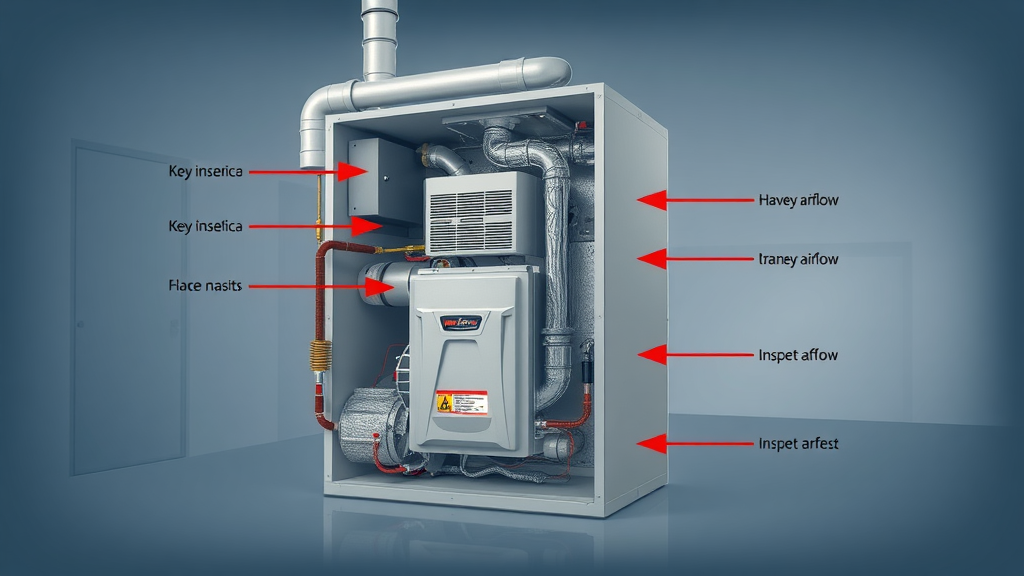
A thorough HVAC inspection involves a visual check and performance testing of several key areas. Inspectors will assess furnace filters and air filters for cleanliness and airflow efficiency, inspect burners and blowers for safe operation, and check electrical wiring and mechanical connections for potential failures. The inspection also includes verifying carbon monoxide detectors, thermostat accuracy, and the state of ductwork and air vents throughout the home.
Beyond safety, these inspections shine a light on energy bill optimization. Clogged filters, leaks in ductwork, or malfunctioning air conditioning units can cause your system to work harder and drive up costs. By detecting these potential problems early, an inspection report empowers homeowners to act—saving money, extending the lifespan of the HVAC system, and ensuring the entire home is ready for the heating season.
"Regular heating system inspections increase equipment efficiency and can prevent more than 40% of home heating failures." – Certified Home Inspector
The August 2025 Regulation Update: What Changed for Heating System Inspections?
August 2025 brings sweeping changes to the way heating system inspections are regulated and performed. From mandatory carbon monoxide testing to new national standards for home inspector accreditation, these updates aim to reduce hazardous home heating failures and improve safety and efficiency for homeowners across the country.
Among the significant changes are stricter documentation of air filter and furnace filter maintenance, mandatory checks for carbon monoxide detectors, and requirements for more detailed inspection reports. Many regions now require inspections twice a year—especially for homes with older HVAC systems or those in climates with extreme temperature swings. These new guidelines demand that homeowners and expert HVAC professionals stay informed and proactive to ensure compliance and home safety.

Mandated Cooling and Heating System Reporting Guidelines
One of the most notable changes in the 2025 regulation update is the new set of mandated reporting guidelines for both heating system and cooling system inspections. Home inspectors must now provide more detailed inspection reports that document every system check, from air filter replacement to carbon monoxide monitoring.
These documentation requirements are designed to reveal potential problems including system inefficiencies, code violations, and missed maintenance steps that could put residents at risk. The emphasis on comprehensive and consistent reporting ensures that even subtle signs of HVAC issues are captured, promoting proactive repair and maintenance that ultimately saves homeowners from costly emergencies and helps keep energy bills in check.
New Requirements for Carbon Monoxide Monitoring
In 2025, carbon monoxide testing is no longer optional—it’s a mandatory part of every heating system inspection. All certified home inspectors are required to verify proper installation and operation of carbon monoxide alarms and detectors in key areas surrounding your HVAC system and living spaces.
This regulation responds to the safe-haven demand from homeowners who want to minimize risks of carbon monoxide exposure—a colorless, odorless gas that can have life-threatening effects. Expert HVAC professionals stress the importance of annual detector testing and frequent filter replacement, since even small leaks or blockages can yield hazardous levels of carbon monoxide. With these changes, regular inspection is now the front line in home safety—especially during the high-demand heating season.
Step-by-Step Guide to Passing a Heating System Inspection
Navigating the new inspection landscape is simple if you take a systematic approach. Following these steps will help you pass your next heating system inspection with confidence—ensuring your HVAC system is both safe and in good condition when the coldest months arrive.
Preparation and due diligence pay major dividends: a complete paper trail, functional filters, up-to-date detector checks, and operational heating and air conditioning are the foundation of a successful inspection. Consult with expert HVAC professionals and home inspectors if your system is older or if you’ve experienced any recurring HVAC issues.
Prepare documentation and previous inspection reports
Replace your air filter and furnace filter
Schedule your HVAC inspection with certified home inspectors
Review your heating system’s maintenance history
Ensure compliance with 2025 carbon monoxide standards
Confirm that HVAC systems and air conditioning are operational
Animated Explainer: How Heating System Inspection Protects Your Family
Common Issues Uncovered During a Heating System Inspection
Every heating system inspection aims to reveal potential problems that can impair system performance or compromise safety. Among the most common issues discovered are dirty or clogged furnace filters and air filters—these can force your HVAC system to work harder, leading to higher energy bills and premature equipment wear. System leaks or evidence of improper installation are also frequent culprits, particularly in older homes or those with previous DIY modifications.
Inspectors also focus on dangerous carbon monoxide levels, which may result from poor combustion or faulty exhaust, and on malfunctioning air conditioning units that could signal underlying electrical or mechanical problems. Proper readiness for the heating season is essential, as failing parts and unaddressed wear can quickly turn into no-heat emergencies at the worst time. By staying ahead of these issues, homeowners can protect both their investment and their family’s health.
Dirty or clogged furnace filters and air filters
HVAC system leaks or improper installation
Hazardous carbon monoxide levels
Malfunctioning air conditioning
Issues with heating season readiness
Interpreting Your Heating System Inspection Report
After your heating system inspection, you’ll receive a detailed inspection report outlining the condition of every major component—your roadmap to system reliability and safety. Reading and understanding this report is crucial: it indicates not only what’s working, but where repairs or upgrades are recommended. Key sections will alert you to any code violations, required filter changes, and areas where preventative maintenance could save you money and headaches.
If your furnace inspection reveals a code violation or notes an urgent issue, take these findings seriously. Follow up with an expert HVAC technician to resolve problems promptly, as delays can cause additional damage or void warranty coverage. Thorough documentation from each inspection helps you monitor trends, plan for long-term upgrades, and ensure your heating system consistently operates at its safest and most efficient.

Key Sections of an HVAC Inspection Report
Inspection reports typically include sections on system overview, filter checks, carbon monoxide readings, visual inspection details, operational tests, and safety review. Look for the status of air filters and furnace filters, the results of carbon monoxide and smoke detector assessments, and any observations on airflow or temperature irregularities.
Additionally, reports from home inspectors will note whether your furnace, air conditioning, or other HVAC systems meet 2025 compliance standards. A well-constructed inspection report is your best tool for tracking maintenance needs, determining if parts are in good condition, and scheduling follow-up with an HVAC expert when necessary.
What to Do When Your Furnace Inspection Notes a Code Violation
Code violations flagged in your furnace inspection report should never be ignored. First, review the violation description closely—common issues include missing carbon monoxide detectors, expired air filters, or improper gas line connections. Contact an expert HVAC professional or licensed contractor promptly to address these corrections, keeping records of repairs for your next inspection.
Staying compliant isn’t just about maintaining comfort—it’s required for home insurance, real estate transactions, and, most importantly, safety. Document all actions in your maintenance log, and ask your home inspector for a re-check if major repairs were made. A clear, updated report ensures you meet both state and national requirements and protects your investment into the next heating season.
Comparison of 2024 vs 2025 Heating System Inspection Guidelines | ||
Aspect |
2024 Requirements |
2025 Updates |
|---|---|---|
Report Timing |
Annual |
Bi-Annual for some systems |
Carbon Monoxide Testing |
Recommended |
Mandatory for all inspections |
Home Inspector Accreditation |
State registration |
National certification |
Furnace Filter Check |
Optional |
Mandatory |
Expert HVAC Tips for Passing Heating System Inspections Every Time
With stricter standards in place, passing your next heating system inspection requires year-round diligence and strategic action. Start by scheduling checkups with expert HVAC professionals before the heating season begins: their trained eyes and tools can catch emerging HVAC issues before they evolve into bigger problems.
Change your furnace filter and air filter regularly, keep a detailed maintenance log, and document every repair or upgrade completed. Staying educated about carbon monoxide safety fundamentals not only demonstrates compliance but also safeguards your family’s health. When in doubt, enlist a certified HVAC expert to evaluate complex systems or older units and ensure your home always meets the most current standards.
Schedule pre-heating season checkups
Use expert HVAC services for complex systems
Change your furnace filter and air filters frequently
Document every maintenance and repair
Understand carbon monoxide safety fundamentals
Interview: Home Inspectors Explain Top Heating System Inspection Mistakes
People Also Ask: Your Top Heating System Inspection Questions
How often should a heating system inspection be performed?
Annual inspections are recommended for all heating systems, while some 2025 regulations may require bi-annual inspections in certain regions. Routine HVAC inspections help ensure safety and efficiency.
What is included in a standard furnace inspection?
A standard furnace inspection includes examining the furnace filter, assessing airflow via air filter checks, evaluating the carbon monoxide detector, and inspecting the furnace, burners, and general HVAC system.
Why is carbon monoxide testing included in heating system inspections?
Carbon monoxide is a colorless, odorless hazardous gas. As of 2025, mandatory carbon monoxide testing during heating system inspections helps prevent dangerous exposure in homes.
Visual Walkthrough: Reading Your Heating System Inspection Report
Frequently Asked Questions About Heating System Inspection
Are HVAC inspections different from furnace inspections?
What are typical costs for a heating system inspection?
Do home inspectors provide carbon monoxide reports?
How long does a typical inspection take?
Key Takeaways: Heating System Inspection August 2025 Update
Regulatory changes in 2025 increase safety and inspection frequency
Comprehensive inspections now mandate carbon monoxide and filter checks
Proper preparation ensures passing your next heating system inspection
Ensure Your Home’s Safety—Schedule Your Heating System Inspection Today!
Don’t wait—book your heating system inspection with an expert HVAC professional and stay ahead of 2025’s safety and efficiency standards. Peace of mind, lower energy bills, and a warmer, safer home await!
Regular heating system inspections are crucial for maintaining efficiency and ensuring safety in your home. The article “Winter Home Heating Inspection: Keep Your Home Safe and Warm” provides a comprehensive checklist for annual inspections, emphasizing the importance of tasks such as checking carbon monoxide detectors, inspecting chimneys and vents, and cleaning furnace components. (homesite.com) Additionally, “What to Expect During a Heating Inspection” outlines the key components evaluated during a professional inspection, including thermostat calibration, burner cleaning, and safety control adjustments. (leecompany.com) By following these guidelines, homeowners can enhance system performance, reduce energy costs, and ensure a safe and comfortable living environment.


Write A Comment