


Did you know that nearly one in five furnace failures occur because of missed annual inspections? As temperatures drop and heating needs rise, the importance of furnace inspection becomes even more pressing in August 2025. Recent news, rising costs, and regulatory changes have brought furnace inspections to the forefront of homeowner and business priorities. Read on to discover exactly why your safety, energy bills, and comfort depend on proactive furnace care right now.
Startling Statistics: Uncovering the Importance of Furnace Inspection
Across the United States, studies have shown that over 80% of expensive furnace repairs could have been avoided through regular maintenance and inspection. The link between the importance of furnace inspection and reliable heating is clear: systems neglected over time prove less efficient, costlier to operate, and are more likely to expose homes to hazards such as carbon monoxide leaks and gas leaks. As we approach the 2025-2026 heating season, these statistics serve as a stark reminder of the vital role inspections play in preventing breakdowns and safeguarding families.
Furthermore, experts have found that annual furnace inspections are more important than ever in a climate marked by rising furnace costs, unpredictable weather, and an aging national heating system infrastructure. Skipping a yearly maintenance check not only increases the odds of costly repairs but also makes homes less energy-efficient, leading to higher energy bills—especially during the coldest winter months.
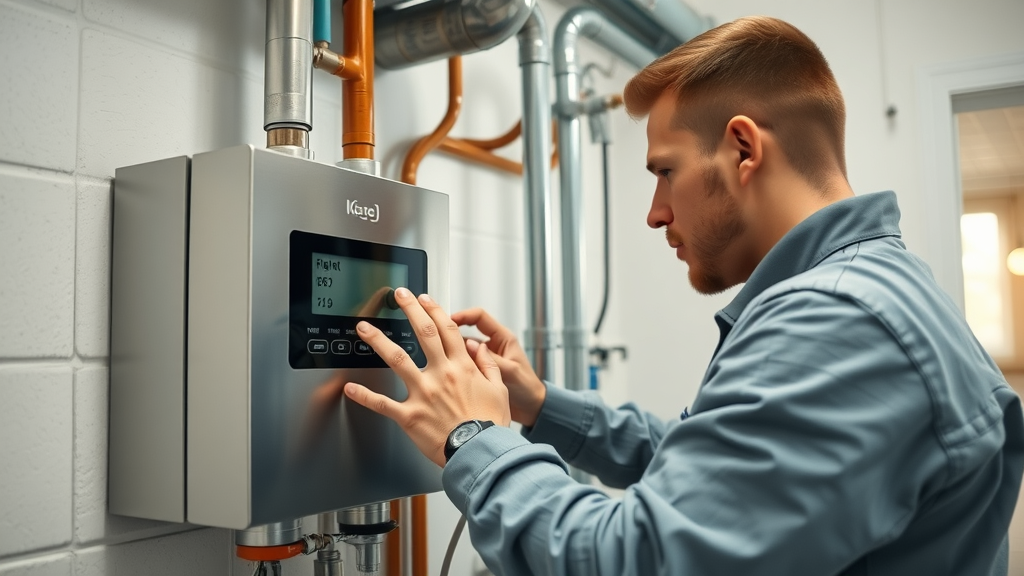
A Surprising Fact About Annual Furnace Risks and Benefits
What many homeowners don’t realize is that failure to perform annual furnace inspections can reduce the system’s lifespan by as much as 30%. On the other hand, regularly scheduled professional check-ups maximize the efficiency of your heating system and ensure critical components—from the pilot light to the air filter—are functioning correctly. These routine visits not only reduce the risk of unexpected breakdowns but also improve indoor air quality and help maintain manufacturer warranties, providing peace of mind all year long.
In short, maintaining your furnace means investing in comfort, safety, and cost savings. As newer, more efficient units become an expensive prospect in 2025 due to global supply chain disruptions, preserving your existing system through annual maintenance becomes a practical necessity, not a luxury.
What You'll Learn in This Guide to the Importance of Furnace Inspection
- The core reasons behind the importance of furnace inspection in 2025
- How annual furnace inspections improve safety and efficiency
- Key maintenance tips to ensure your heating system lasts longer
- Understanding the cost factors and potential savings
- Common hazards such as carbon monoxide and gas leaks
- Answers to the most frequently asked questions in 2025
Furnace Inspection: Why August 2025 News Has Raised Awareness
In August 2025, several headlines seized homeowner attention, reporting new building codes and insurance mandates tied directly to annual furnace inspection requirements. These stories circulated on major news outlets, alerting everyone to the fact that furnace inspections are now a non-negotiable aspect of home maintenance. With increased visibility, there’s heightened awareness about the risks of ignoring your heating system as well as the long-term value of regular professional checks.
In response to new data on carbon monoxide and gas leak incidents in aging homes, agencies have called for stricter compliance. This means not only new safety guidelines, but also rising penalties for missed inspections or unsafe systems. Homeowners and business owners alike now see annual furnace inspections as a crucial investment, not just in comfort, but in legal compliance and property value.
New Regulatory Updates and Trends Impacting Furnace Inspections
"Recent changes in industry standards underscore the importance of furnace inspection for every home and business owner this year."
With tougher regulatory standards in 2025, furnace inspections now include more advanced testing for emissions, efficiency, and safety than ever before. Updated codes often require inspection of all gas connections, airflow, electrical components, and smart thermostats, reflecting the drive toward smarter, safer homes. Insurance companies increasingly demand proof of annual furnace maintenance to cover fire, carbon monoxide, and system failure claims, making professional documentation as vital as the inspection itself.
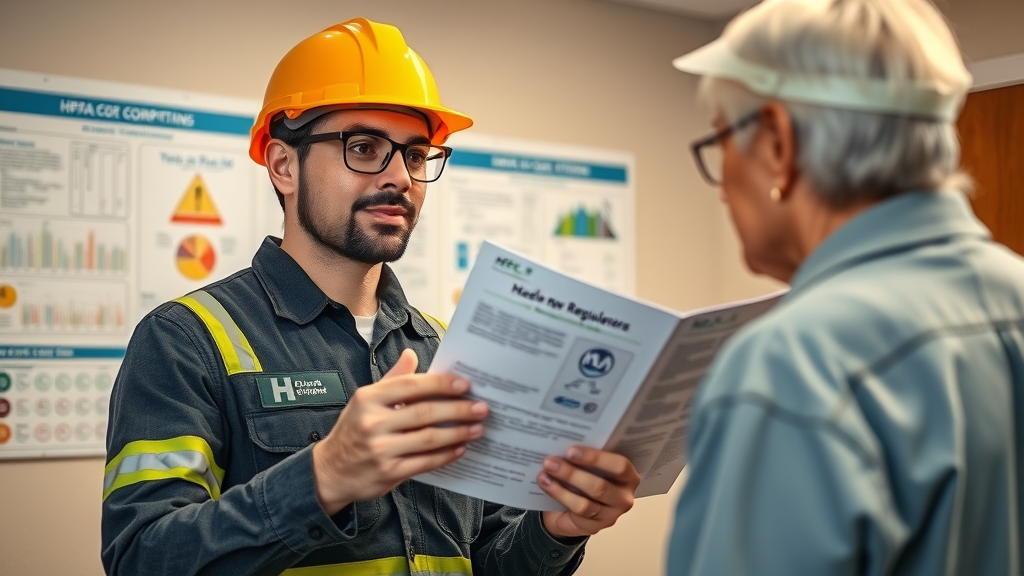
Understanding the Importance of Furnace Inspection for Your Heating System
Your home’s heating system quietly works hard year after year, but without regular inspection and maintenance, even the best furnace can become a source of headaches and hazards. The importance of furnace inspection lies in the ability to catch small issues—such as a clogged air filter or a flickering pilot light—before they escalate into major, costly repairs or even emergencies.
Beyond safety, furnace inspections keep your heating system working at peak performance. Proactive maintenance ensures your HVAC system distributes warm air efficiently, maintains steady indoor temperatures, and uses less energy—directly reducing heating costs all season long. For those with older systems, regular checks are essential to avoid premature replacement and optimize every stage of furnace operation.
How Furnace Maintenance Prevents Costly Repairs and Extends Lifespan
Furnace maintenance tackles minor issues before they become big-ticket problems. Regularly changing the air filter, inspecting the heat exchanger, and testing safety controls can significantly reduce the risk of sudden breakdowns during the coldest months. Studies confirm that homeowners who skip annual inspections are 50% more likely to face costly repairs or even full furnace replacements.
By scheduling yearly check-ups, technicians catch early signs of wear and tear, preventing damage to key components and keeping your heating system reliable. Well-maintained furnaces not only last several years longer, but they also operate more efficiently, delivering better comfort for less money. Ultimately, proactive care means fewer cold nights, lower emergency service costs, and peace of mind throughout winter.
The Critical Role of Regular Maintenance in Annual Furnace Performance
Routine furnace maintenance ensures the system performs as expected when you need it most. During an annual furnace inspection, technicians perform safety checks, clean out dust that can clog airflow, and look for potential problems in the pilot light, ignition, and thermostat. This reduces stress on the HVAC system, leading to more consistent warm air delivery.
Annual maintenance is not just about fixing what's broken—it's about predicting failure. With each visit, your furnace is calibrated for optimal energy use and inspected for hidden dangers like carbon monoxide leaks. From ensuring electrical connections are secure to checking for signs of corrosion or gas leaks, regular inspections keep your furnace running safely and efficiently all year round.
Annual Furnace Inspections: What’s Involved in a Professional Check-Up?
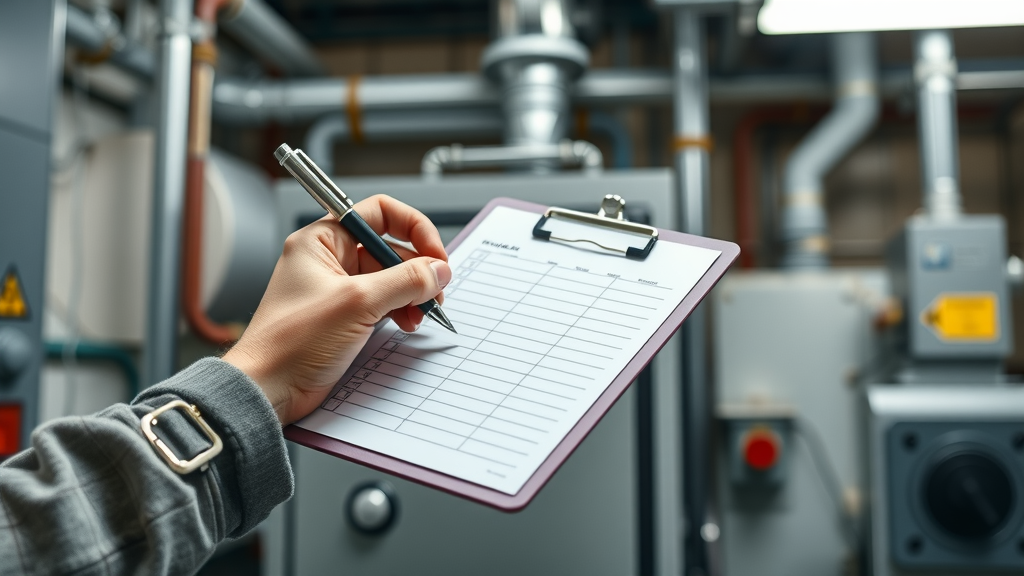
A professional furnace inspection is a thorough process that covers every aspect of your heating system, far beyond what a visual check can reveal. Technicians follow a detailed checklist designed to locate even subtle signs of trouble, such as reduced efficiency or the beginnings of a gas leak. Comprehensive annual furnace inspections help prevent not only breakdowns but also major dangers associated with faulty systems.
Expect your HVAC specialist to examine critical safety devices, review all system controls, test for carbon monoxide, and evaluate efficiency outputs. These checks ensure your furnace is not only safe but also running with the highest possible performance. With preventative measures in place, you'll save on emergency repairs, utility bills, and total ownership costs over the lifespan of your heating system.
Step-by-Step Maintenance Check During a Furnace Inspection
- Inspecting and replacing air filters
- Examining the pilot light and ignition system
- Testing for carbon monoxide leaks
- Checking for potential gas leaks
- Reviewing and adjusting the thermostat
- Assessing overall system efficiency
Inspecting and replacing air filters ensures proper airflow and indoor air quality, while examination of the pilot light and ignition system is vital for safe starts and stops. Special attention is given to carbon monoxide and gas leak testing, both to protect household health and to meet legal standards. Adjusting the thermostat and tuning overall system performance closes out the inspection, ensuring your furnace work matches its rated efficiency. These steps—often accompanied by detailed documentation—are what distinguish a professional maintenance check from a basic visual scan.
| Inspection Item | 2024 Standard | 2025 Standard | Benefit to Homeowner |
|---|---|---|---|
| Air Filter Replacement | Every 6 months | Every 3 months or as needed | Improved air quality, increased efficiency |
| Carbon Monoxide Testing | Optional | Mandatory | Enhanced safety, compliance with regulations |
| Pilot Light & Ignition | Visual inspection | Detailed system test | Fewer unexpected outages, safer starts |
| Gas Leak Detection | As needed | Every inspection | Reduces risk of fire or explosion |
| Efficiency Assessment | Optional | Required with documentation | Lower energy bills, consistent comfort |
The Connection Between Furnace Inspections and Reduced Energy Bills
A well-maintained furnace doesn’t just work better—it saves you money every month. By prioritizing annual furnace inspections, you ensure that your heating system runs at optimum efficiency, reducing wasted energy and lowering your utility bills. On average, households see their energy bills drop by up to 20% after their furnace receives a professional tune-up. In a year where every dollar counts, this can make a significant difference to your family's budget.
Efficient systems also put less stress on the machinery, which reduces the risk of a mid-winter failure and extends the lifespan of expensive components. With the cost of new furnaces on the rise in 2025, ensuring your current system’s longevity through regular maintenance is a smart, cost-effective strategy.

How Regular Maintenance Improves Heating System Efficiency
"Routine furnace inspections may reduce your energy bills by up to 20%, according to leading HVAC specialists in 2025."
When your furnace is clean and all moving parts are lubricated and calibrated, your heating system doesn’t have to work as hard to keep your home warm. Annual maintenance checks ensure the airflow is unrestricted by dust or clogged air filters, and thermostats are accurate, preventing overuse. These small adjustments add up to major savings over time, especially during the height of the winter months.
Technicians also measure system efficiency and recommend settings or upgrades that deliver further expense reduction. Simple steps taken during a furnace inspection can prevent equipment overuse, leading to not just lower energy bills, but fewer carbon emissions and an overall reduced environmental impact of your home’s heating system.
Furnace Maintenance: Identifying and Preventing Common Hazards
Routine furnace inspections are a first line of defense against dangerous household hazards. Over the years, hundreds of incidents involving gas leaks, carbon monoxide leaks, and electrical fires have been traced back to neglected furnace maintenance. Annual check-ups are designed specifically to catch these issues before they put your family’s health and safety at risk.
Technicians employ specialized tools to detect the faintest trace of toxic gases, check the integrity of gas lines, and ensure the pilot light and flame sensors are working properly. These steps eliminate major dangers and help guarantee that your heating system isn’t a silent threat lurking in the basement.
Detecting Carbon Monoxide and Addressing Gas Leaks
The most insidious dangers with older heating systems are invisible: carbon monoxide leaks and gas leaks. Even a small crack in the heat exchanger or a loose gas valve can result in harmful gases escaping into your home. During a professional inspection, advanced detectors are used to locate leaks early—often before symptoms appear or alarms are triggered.
Prompt detection and repair of these hazards is not just good practice—it can be life-saving. Alongside carbon monoxide detectors and annual maintenance checks, these efforts dramatically reduce the risk of severe illness, fire, or explosion during the heating season.
Importance of Monitoring the Pilot Light and Air Filter
Two of the simplest yet most effective ways to preserve furnace safety and efficiency are regularly checking the pilot light and replacing the air filter. A malfunctioning pilot light can cause the entire system to shut down or, worse, create a fire or gas hazard. Blocked air filters, meanwhile, force the HVAC system to work harder, wasting energy and causing unnecessary wear and tear.
Keeping these components in top condition is central to routine maintenance and inspection, and is always included as part of a comprehensive annual check-up. These steps provide ongoing protection and allow your furnace to deliver warm air quietly and efficiently.
Annual Maintenance and the Link to System Reliability
The connection between annual maintenance and reliable heating is well documented: systems inspected each year are far less likely to suffer breakdowns or safety failures. Scheduling an annual furnace inspection gives you and your family peace of mind knowing your furnace is both efficient and safe—especially valuable with 2025’s stricter regulations and rising repair costs.
Reliable furnaces provide stable, consistent heating all winter long, so you won’t have to worry about cold spells or unplanned interruptions. Over time, this reliability also means fewer costly emergency service calls and a longer overall life for your home’s most important comfort system.
How Skipping Regular Furnace Inspections Can Lead to Costly Repairs
Neglected annual furnace inspections are a leading cause of surprise breakdowns and expensive emergency repairs. When minor issues go undetected—like a worn-out ignitor or a partially blocked vent—they rapidly develop into system-wide failures, sometimes requiring full unit replacement. Skipping maintenance doesn’t just increase repair bills; it exposes your family to safety risks from undetected gas and carbon monoxide leaks.
In a year where supply chain issues are making new furnaces more expensive and harder to source, the cost of a missed inspection can be especially steep. Even a single missed check can jeopardize your warranty, increase wear and tear, and reduce the overall lifespan of your heating equipment.
Case Studies: Homeowners Who Benefited from Routine Furnace Maintenance
Consider a family in Denver who scheduled their annual furnace inspection in July 2025. The technician detected a minor gas leak and a cracked heat exchanger before the winter heating season began. The repairs cost a fraction of an emergency call and prevented both financial loss and a potential health crisis. In another case, a snug New England home maintained system reliability through winter storms by adhering to a strict annual maintenance schedule—resulting in zero breakdowns and manageable energy costs through the harshest months.
- Lower risk of furnace breakdowns
- Minimized chances of gas and carbon monoxide leaks
- Increased heating system lifespan
People Also Ask: Key Questions About the Importance of Furnace Inspection
Is the cost of furnaces going up in 2025?
Answer: Yes, due to supply chain factors and regulatory changes, the cost of furnaces is expected to increase in 2025. This makes the importance of furnace inspection for maximizing current system lifespan even more critical. Being proactive with inspections and maintenance ensures you get the most from your existing equipment, limiting the need for costly, premature replacement.
Is it necessary to have your furnace checked every year?
Answer: Annual furnace inspections are strongly recommended by experts and required by most manufacturers to maintain warranties and optimize safety and efficiency. Routine checks prevent carbon monoxide and gas leaks and ensure your heating system works reliably throughout every heating season.
What happens during a furnace inspection?
Answer: Technicians perform a full maintenance check, including cleaning, safety tests for carbon monoxide and gas leaks, air filter replacement, thermostat adjustment, and inspection of moving parts and electrical components. Documentation of these tasks keeps you informed and supports manufacturer's warranty compliance.
What is the future of furnaces?
Answer: The future of furnaces is heading toward increased energy efficiency, integration with smart home technology, and tighter regulations—making regular furnace inspection more important than ever. Expect new systems to be smarter, safer, and more responsive to environmental standards, but also more reliant on specialized maintenance.
Top Tips: Annual Furnace Maintenance for Homeowners in 2025
- Schedule annual furnace inspections before the heating season starts
- Change the air filter every three months or as recommended
- Monitor your system for unusual noises or odors
- Ensure carbon monoxide detectors are installed and functional
- Keep the area around your furnace clean and accessible
"Furnace maintenance isn't just about efficiency – it's about your family's safety," emphasizes one industry expert.
| Maintenance Type | Average Cost (2025) | Common Outcome |
|---|---|---|
| Annual Furnace Inspection | $125 - $300 | Stable operation, lower energy bills, reduced breakdowns |
| Emergency Repair | $450 - $1,200+ | Unplanned outages, higher costs, safety risks |
| System Replacement | $4,500 - $10,000+ | Large upfront cost, increased disruption |
FAQs: The Importance of Furnace Inspection in 2025
- What specific components are checked during an annual furnace inspection?
- How can regular furnace inspections affect your energy bills?
- Are furnace inspections required for warranty compliance?
- What should you do if your furnace fails an inspection?
What specific components are checked during an annual furnace inspection?
During a professional inspection, technicians assess the air filter, heat exchanger, burners, pilot light, thermostat, gas and electrical connections, blower motor, and safety controls.
How can regular furnace inspections affect your energy bills?
Proper maintenance ensures efficient operation, which lowers energy consumption and reduces heating costs throughout the winter months.
Are furnace inspections required for warranty compliance?
Yes. Most manufacturers require documented annual inspections as a condition to keep your warranty valid.
What should you do if your furnace fails an inspection?
Seek immediate service from a qualified HVAC professional and do not operate the system until it is certified safe to use.
Key Takeaways: Why Furnace Inspections Matter More Than Ever in 2025
- Furnace inspections are essential for safety, efficiency, and compliance in 2025
- Timely inspections prevent costly repairs and system failures
- Rising furnace costs make existing heating system preservation essential
Conclusion
With the importance of furnace inspection in the spotlight for August 2025, homeowners and business owners alike must prioritize annual furnace care, ensure regular maintenance, and stay informed on heating system updates. Take proactive action to secure your comfort, safety, and investment—schedule your professional furnace inspection today.
Regular furnace inspections are crucial for maintaining safety, efficiency, and longevity of your heating system. The article “5 Benefits of Having a Furnace Inspection Before Winter” highlights key advantages, including preventing carbon monoxide poisoning and improving energy efficiency. (rosenberghvac.com) Similarly, “The Benefits of Regular Furnace Inspection and Maintenance” emphasizes early detection of potential issues and enhanced safety compliance. (adamshc.com) By understanding these benefits, you can ensure your furnace operates optimally, providing comfort and peace of mind throughout the colder months.


Write A Comment