


Did you know over 40% of costly furnace repairs in North America could be prevented with regular DIY furnace inspections? As the heating season approaches in August 2025, more homeowners are realizing the pivotal role of proactive inspection in saving money, boosting efficiency, and keeping their families safe. This guide dives deep into everything you need to know for your DIY furnace inspection—from step-by-step checklists to vital recent industry shifts and essential safety protocols.
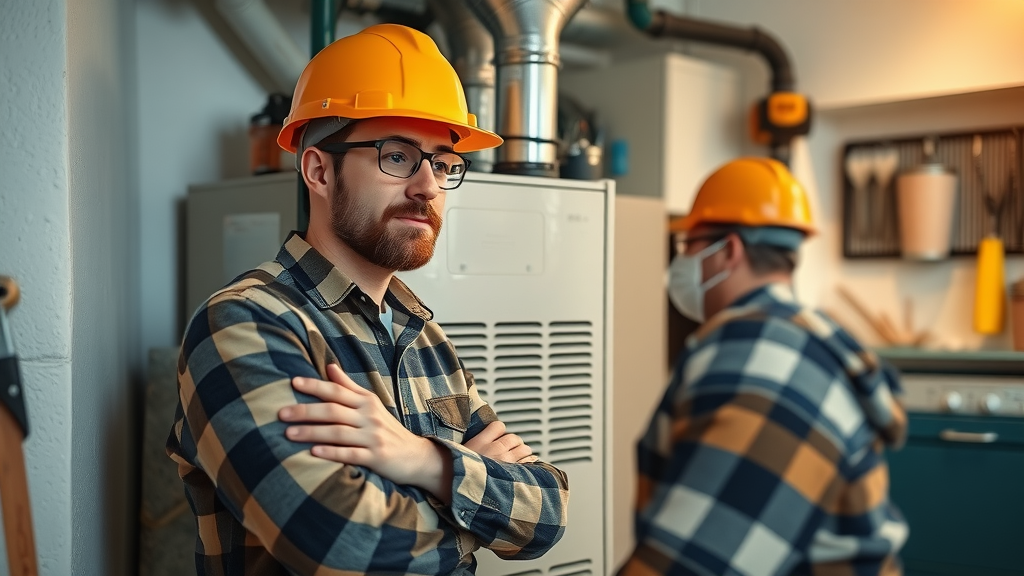
A Surprising Fact: Why DIY Furnace Inspection Matters More Than Ever in 2025
In 2025, the stakes for furnace maintenance have never been higher. Recent updates in efficiency mandates and supply chain disruptions have driven both costs and risks upward for every home with a gas furnace or heating system. Homeowners are grappling with longer lead times for repairs and pricier professional services, which has put a brighter spotlight on the importance of DIY furnace inspection. By performing regular checks—especially before peak winter months—you avoid unexpected failures, prevent carbon monoxide hazards, and save on mounting energy bills. A thorough, annual furnace inspection is fast becoming a necessary skill for every responsible homeowner.
- The essentials of diy furnace inspection
- Latest updates influencing furnace maintenance in August 2025
- Step-by-step guidance for safe annual furnace inspection
- Identifying common issues such as carbon monoxide risks, heat exchanger damage, and more
- When to consider professional help or furnace replacement
"Over 40% of costly furnace repairs in North America could be prevented with regular DIY inspections—don’t become a statistic this winter."
Understanding DIY Furnace Inspection: A 2025 Overview
The DIY approach to furnace maintenance is quickly becoming mainstream, especially as homeowners seek more control over heating system reliability and safety. DIY furnace inspection in 2025 blends classic hands-on checks with new technology—from digital thermostats to advanced air quality monitors and certified carbon monoxide detectors. Whether you have a newer or older system, every homeowner should understand the basics of annual furnace care, which now includes recognizing digital error codes, smart diagnostics, and regular review of the air filter, heat exchanger, and more.
What is a DIY Furnace Inspection?
A DIY furnace inspection involves a homeowner systematically checking all critical parts of the heating unit to confirm that the system is working properly, efficiently, and safely. This includes visual and functional checks of the air filter, flue pipe, heat exchanger, pilot light, electrical connections, and drain line. Most inspections also incorporate a carbon monoxide test and a survey of vent and air quality in the house. While it doesn’t replace an expert evaluation, a DIY approach empowers homeowners to spot issues early—such as cracked heat exchangers or faulty electrical connections—before they turn into expensive emergencies.
Key Benefits of DIY Furnace Inspection for Homeowners
Undertaking regular DIY inspections delivers powerful benefits: you safeguard your family from dangerous gases like carbon monoxide, ensure consistent comfort, and can dramatically extend the life of your furnace or gas furnace. Addressing small issues—like a dirty air filter or loose connection—prevents your furnace system from having to work harder, reducing utility bills and the need for major furnace tune procedures. Plus, proactive maintenance offers peace of mind and helps keep warranty coverage intact for newer installations, while older systems can run safely for years longer.

Recent Industry News on Furnace Maintenance and DIY Trends
Furnace industry news for August 2025 highlights an explosion in smart monitoring devices and online DIY tutorials, making it easier than ever for homeowners to perform their own inspections. New regulations have also led to safer components in gas furnaces, such as improved hot surface ignitors and enhanced air intake filtration—helping prevent common breakdowns and health hazards. Reports predict an ongoing rise in DIY furnace inspection as families prioritize home safety and efficiency in response to higher professional service costs and supply shortages of heating system parts.
Furnace Maintenance: Step-by-Step DIY Furnace Inspection Checklist
- Preparing for Your Annual Furnace Inspection
- Turning Off Power and Gas Supplies
- Inspecting Air Filter and Air Quality
- Examining Heat Exchanger and Flue Pipe
- Checking Pilot Light and Electrical Connections
- Detecting Carbon Monoxide Leaks
- Assessing the Drain Line and Furnace Tune Aspects
- Noting Additional Furnace Maintenance Concerns
| Essential DIY Furnace Inspection Tasks | Frequency | Safety Tip |
|---|---|---|
| Check air filter | Monthly | Wear gloves |
| Inspect heat exchanger | Annually | Turn off furnace first |
| Carbon monoxide test | Annually | Use certified detector |
| Review electrical connections | Annually | Disconnect power source |
Annual Furnace Inspection: What’s Changed for 2025?
The annual furnace inspection is not just a time-honored tradition—it's now shaped by new regulations and the latest technology. This year, updated government standards require stricter air quality controls, more efficient heat exchangers, and the use of certified carbon monoxide detectors. Additionally, gas furnace manufacturers have introduced more reliable surface ignitors, smart sensors, and enhanced safety labels for easier DIY checks. For homeowners, these changes mean an increased need for annual maintenance, but also more reliable and safer heating systems.
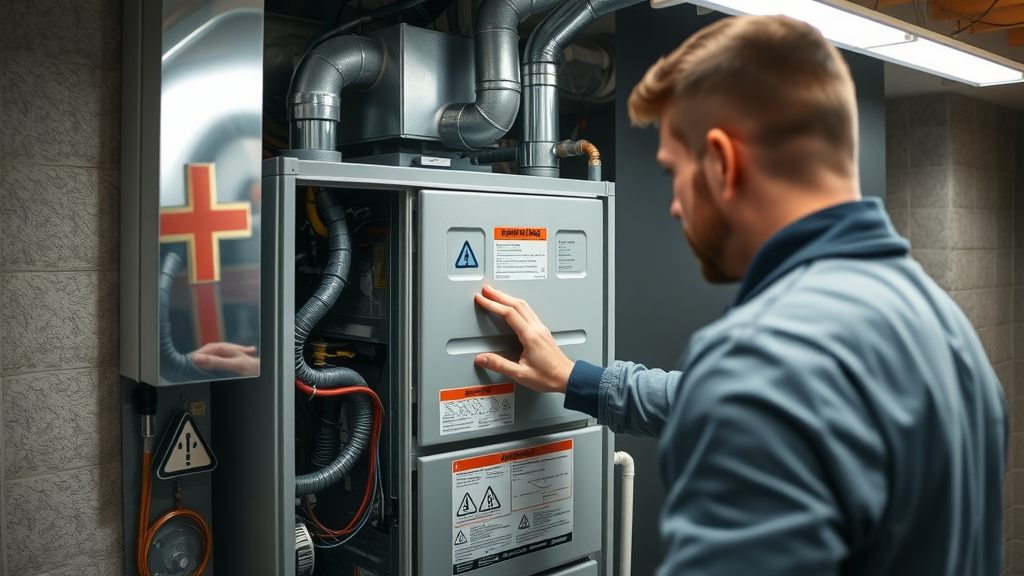
Updated Regulations and Why Annual Furnace Inspection is Critical
Changes in national safety regulations now require all homes to have annual documentation of furnace inspection—especially where gas heat is used. The introduction of more sophisticated safety features helps prevent issues like carbon monoxide poisoning from cracked heat exchangers or blocked flue pipes. Properly logging your DIY checks can even help lower insurance premiums and ensure your system meets warranty requirements. As technical and safety standards evolve, skipping annual maintenance isn't just risky—it's increasingly non-compliant and could leave you uncovered in the event of a serious malfunction.
Comparing Professional vs. DIY Furnace Tune: New Cost Factors
While a professional furnace tune is essential for some complex tasks, the DIY route empowers homeowners to handle most regular maintenance, saving on average $150–$300 per visit. In 2025, widespread labor shortages and supply delays have pushed up pro service costs even more, making DIY inspection a smart and practical alternative—provided you follow modern safety guidelines and understand the scope of what can be accomplished safely on your own.
Gas Furnace Upgrades and Innovation in the August 2025 Market
The gas furnace market is rapidly evolving, with manufacturers rolling out quiet, energy-optimized blowers, advanced carbon monoxide alarms, and “smart” heat exchangers designed for frequent homeowner checks. Upgrading to these new systems may carry a higher initial cost, but offer major long-term gains in safety, reliability, and lower utility bills—especially when paired with disciplined DIY furnace maintenance.
Top Issues Discovered During DIY Furnace Inspection
- Clogged or dirty air filters
- Damaged or rusted heat exchanger
- Pilot light irregularities
- Blocked flue pipe
- Dangerous carbon monoxide leaks
- Drain line blockages
- Loose electrical connections
During a DIY furnace inspection, homeowners often find issues like dirty filters making the furnace work harder, or rust on the heat exchanger—which can signal serious safety risks if not corrected. Even seemingly minor faults, like a blocked drain line or loose wiring, can lead to a breakdown in your heating system if not addressed early.
Carbon Monoxide and Air Quality: Staying Safe During DIY Furnace Inspection
Detecting Early Signs of Carbon Monoxide from Gas Furnace
One of the most essential parts of any diy furnace inspection is vigilance for carbon monoxide leaks—odorless, invisible, and extremely dangerous. Look out for faint “sooty” smells, excessive condensation on windows, or signs of rust near the burner and flue pipe. Always use a certified handheld carbon monoxide detector during inspection. If the detector alarms or you spot suspicious symptoms, turn off your furnace immediately and ventilate the house, calling a professional for follow-up.
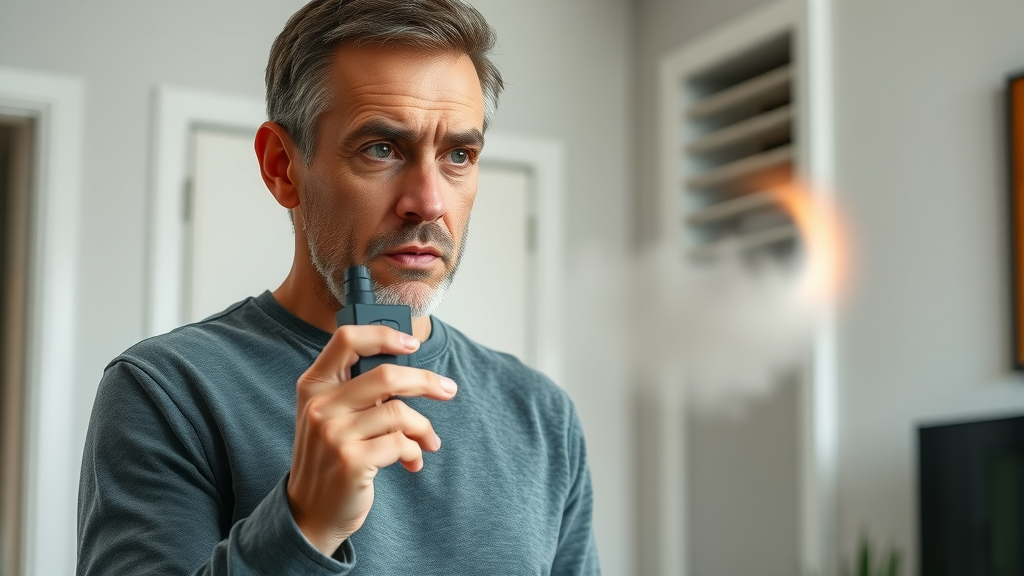
Improving Air Quality Through Regular Furnace Maintenance
Routine attention to your air filter and air intake is critical for keeping good indoor air quality, particularly for homes with pets or older systems. Dirty filters and poorly maintained units can allow dust, allergens, or even carbon monoxide to circulate freely—leading to respiratory issues and frequent illness. Replace the filter monthly, especially during periods when the furnace run time increases, and keep air intake paths clear for maximum ventilation.
Essential Tools for Checking Air Filter and Air Quality
For a thorough DIY furnace inspection, assemble a tool kit with: a flashlight, new high-efficiency filters, a certified carbon monoxide detector, a hand-held air quality monitor, rubber gloves, and an insulated screwdriver for electrical tasks. These essentials help ensure your system is working properly and allow you to spot issues—like a hot surface ignitor failing or a cracked heat exchanger—before they escalate into costly repairs.
DIY Furnace Inspection Video Tutorial (August 2025 Edition)
For a visual walkthrough, watch the embedded video below. This 2025 edition covers each inspection step—from shutting off the gas furnace to safely testing for carbon monoxide, inspecting the heat exchanger and flue pipe, and completing a quick furnace tune at home.
Heat Exchanger and Flue Pipe: Critical Safety Checks in Your DIY Furnace Inspection
How to Inspect the Heat Exchanger for Signs of Wear or Cracks
The heat exchanger is the heart of your heating system—responsible for safely channeling hot gases away from your home. During your inspection, carefully remove furnace panels and use a strong flashlight to examine all visible metal surfaces for rust, dark streaks, or cracks. A cracked heat exchanger can lead to poisonous carbon monoxide leaks. If you see damage, turn off the system and schedule immediate professional support. Always wear gloves and make sure the power is off before touching internal components.
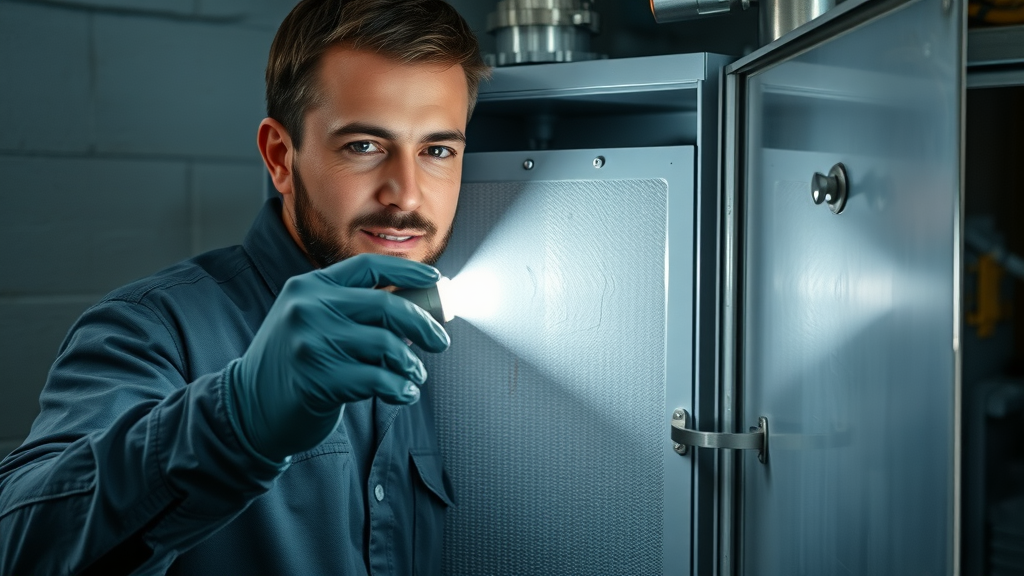
Ensuring the Flue Pipe is Safe and Clear for Proper Operation
A blocked or corroded flue pipe is a direct threat to your home’s safety, as it may cause exhaust gases (including carbon monoxide) to build up indoors. Visually inspect the pipe’s exterior for dents, rust, or loose connections. Then, ensure the path inside the pipe is clear of nests, debris, or water accumulation, which can sometimes back up into the system from the drain line. Proper flue operation is crucial—especially for gas furnaces and older systems prone to rust or corrosion.
Pilot Light, Electrical Connections, and Drain Line: Common DIY Furnace Inspection Pitfalls
Resolving Pilot Light Issues for Gas Furnace Reliability
The pilot light or electronic ignitor is fundamental to safe furnace operation. After confirming the gas furnace is receiving gas and electricity, observe the flame: it should be blue, steady, and sit directly at the burner. Flickering or yellow flames sometimes mean incomplete combustion or poor air intake. Do not attempt repairs to a faulty pilot or ignitor without adequate expertise; for new systems, review the manufacturer’s guide for troubleshooting.
Checking Electrical Connections for DIY Furnace Safety
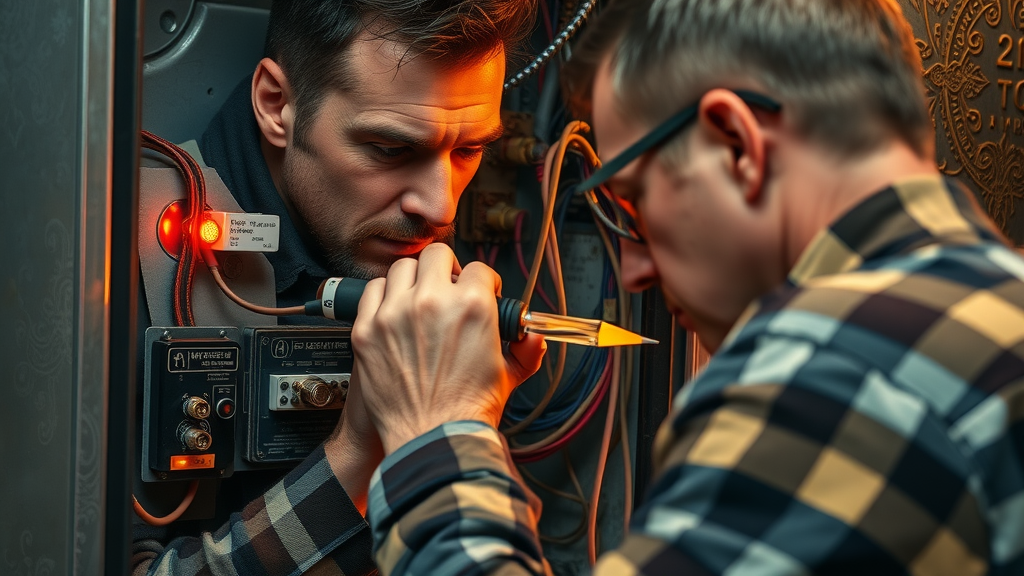
Carefully inspect every electrical connection on your furnace control panels. Look for frayed wires, loose screws, or burn marks near connectors. Disconnect the power source before tightening or replacing components, and always use insulated tools. Proper electrical maintenance prevents short circuits and keeps your heating system working properly with minimal risk.
Drain Line Maintenance Tips During Furnace Inspection
The drain line removes condensation from high-efficiency furnaces; a blockage can cause water damage or interrupt operation. During inspection, clear any clogs in the drain tube and check for leaks or mineral build-up around the drain pan. Regular clearing of the drain line—especially before winter—helps maintain overall humidification and reduces stress on your heating system.
DIY Furnace Inspection: When to Call a Professional?
Warning Signs You Need Help Beyond DIY Furnace Maintenance
While most routine problems are easily handled in a DIY furnace inspection, certain red flags always require a licensed technician: persistent carbon monoxide detector alarms, repeated pilot light failures, loud metallic banging during a furnace run, and signs of a cracked heat exchanger. Strange smells, electrical arcing, or repeated tripped breakers are also best left to the pros—protecting both your family and your investment.
Comparing Furnace Replacement and Maintenance: Making the Right Decision
"Annual furnace maintenance doesn’t just extend equipment life—it can safeguard your home from hazards invisible to the eye."
If a heating system fails several consecutive DIY inspections or requires frequent costly repairs, replacement rather than repeated maintenance may be the safest, most economical choice. Modern gas furnaces are more efficient and designed for easier inspection, helping lower energy bills and future repair costs.
2025 Furnace Inspection FAQs
Are furnaces going up in 2025?
The cost of furnaces, including gas furnace models, is rising in 2025 due to new efficiency mandates and supply chain adjustments. DIY furnace inspection helps homeowners anticipate needs and budget more wisely.
Do I need to get my furnace inspected every year?
Yes, annual furnace inspection is strongly advised—even for DIYers—to reduce safety risks and improve system longevity as recommended by leading industry standards.
How often should I get a furnace inspection?
You should perform a comprehensive diy furnace inspection at least once per year, typically before the heating season starts. Some tasks, like changing the air filter, should be done monthly.
When to replace a house furnace?
A house furnace generally lasts 15–20 years. If your furnace fails diy furnace inspection repeatedly, faces costly repairs, or produces heat inconsistently, replacement may be the safest and most efficient route.
Key Takeaways for Homeowners on DIY Furnace Inspection
- Regular diy furnace inspection prevents breakdowns and extends equipment life
- Air filter and heat exchanger maintenance are essential for air quality and safety
- Stay alert to carbon monoxide warnings with every inspection
- Know when professional furnace maintenance is necessary
- Keep up with news and best practices for gas furnace care
DIY Furnace Inspection Explained: Step-By-Step Video Recap
For a refresher, revisit the video tutorial above, which visually demonstrates each inspection step and critical safety consideration for August 2025.
Conclusion: Prioritize Your DIY Furnace Inspection for Comfort and Safety in 2025
Make DIY furnace inspection a household priority—ensuring your comfort, lowering your bills, and, most importantly, protecting your loved ones in the coming winter.
Regular DIY furnace inspections are crucial for maintaining your heating system’s efficiency and safety. To enhance your understanding and ensure thorough maintenance, consider the following resources:
-
DIY Furnace Maintenance Will Save A Repair Bill provides a comprehensive guide on performing essential maintenance tasks, such as cleaning the flame sensor and dusting the hot surface igniter, to prevent common issues and extend your furnace’s lifespan.
-
DIY Heating Service Steps That Save Energy offers practical tips on inspecting ductwork for leaks, ensuring proper burner flame color, and maintaining unobstructed vents to optimize your furnace’s performance and energy efficiency.
By following the detailed instructions in these guides, you can proactively address potential problems and keep your furnace operating smoothly throughout the heating season.


Write A Comment