


Did you know that over 50% of heating emergencies during winter are preventable—with a single annual furnace inspection? As temperatures plummet, your heating system becomes essential not just for comfort, but for your family's safety. Yet, many homeowners overlook the annual furnace inspection benefits until facing an unexpected breakdown or a spike in energy bills. This comprehensive guide reveals why investing in your furnace before winter isn’t just wise—it’s a must. You’ll discover surprising risks, cost-saving opportunities, and the steps to ensure your home stays warm, safe, and efficient all season long.
Startling Furnace Facts: Why Annual Furnace Inspection Benefits Matter
When it comes to your heating system, knowledge can mean the difference between a cozy winter and a costly emergency. Annual furnace inspection benefits extend far beyond preventing the typical inconveniences. They directly impact the longevity of your unit, your family’s health, and your wallet. For example, one overlooked gas leak or a worn-out blower motor can turn a routine winter night into a dangerous—and expensive—ordeal. The simple act of scheduling a professional annual furnace inspection can catch small issues before they spiral out of control, minimizing the risk of carbon monoxide poisoning, fire hazards, or sudden system failures.
By ensuring your furnace operates at peak performance, you’ll not only save on energy bills but also help prevent avoidable heating system emergencies. Key components are tested, cleaned, and calibrated, reducing strain and promoting fuel efficiency. When these tasks are left unchecked, minor issues can escalate into costly repairs or even emergency replacements. To truly understand the depth of furnace inspection benefits, let’s investigate the hidden risks and rewards that come with this crucial, yet often neglected, annual ritual.
A Closer Look: Furnace Inspection and Hidden Winter Risks
Hidden dangers lurk in every heating season, often escaping the average homeowner’s notice until it's too late. A comprehensive furnace inspection targets these risks head-on—identifying malfunctioning thermostats, leaking gas connections, and accumulating dust within the heat exchanger. These silent offenders can impact air quality, energy bills, and safety. For example, a cracked heat exchanger, left unchecked, may leak carbon monoxide—a toxic gas that’s undetectable without proper tools. Similarly, a failing blower motor can lead to poor heating distribution, cold spots, or, in the worst case, complete system breakdown.
Proactive maintenance check routines protect you from these unobvious threats. With fewer minor issues spiraling into full-blown problems, you secure both peace of mind and furnace longevity. Ultimately, the benefit of a furnace inspection is not simply about fixing what’s already wrong. It's about preventing risks—including costly repairs, emergency repairs, and hazardous gas leaks—before they become major crises.
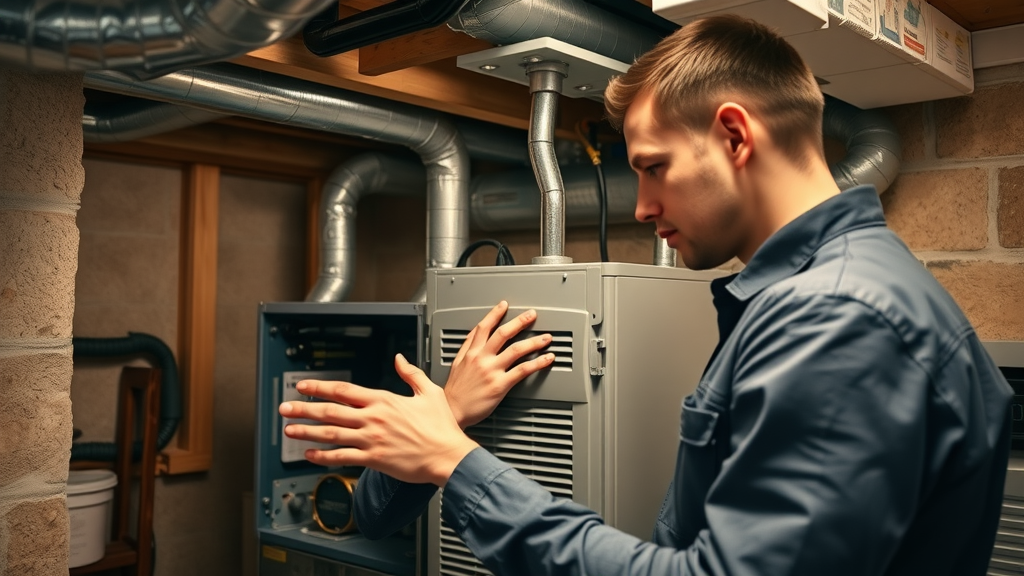
"Over 50% of heating emergencies in winter can be prevented with routine annual furnace inspections." – National Home Safety Board
What You'll Learn About Annual Furnace Inspection Benefits
- The top annual furnace inspection benefits for homeowners
- Key steps in effective furnace maintenance
- How a professional furnace inspection protects your heating system
- The role of annual furnace inspections in cost savings and safety
Understanding the Basics: What Is an Annual Furnace Inspection?
Defining Furnace Inspection for Your Home
At its core, an annual furnace inspection is a structured, thorough review and maintenance check designed to keep your heating system working safely and efficiently. Highly trained HVAC technicians follow a meticulous process, inspecting components such as the blower motor, heat exchanger, electrical connection, fuel lines, and vents. This yearly assessment is not just about cleaning or replacing the air filter. It addresses the entire network of moving parts that ensure your furnace and heating systems run smoothly.
An annual inspection is designed to catch early signs of wear and tear—be it rust, loose wires, or tiny cracks in the heat exchanger—that can lead to gas leaks, energy wastage, or complete system malfunctions. By focusing on both safety and efficiency, a furnace inspection maximizes the potential lifespan of your investment. In the end, this practice serves as a preventative shield, protecting your home from risks such as carbon monoxide leaks, fire hazards, and unforeseen costly repairs that stem from neglected maintenance.
Key Steps in a Standard Furnace Maintenance Check
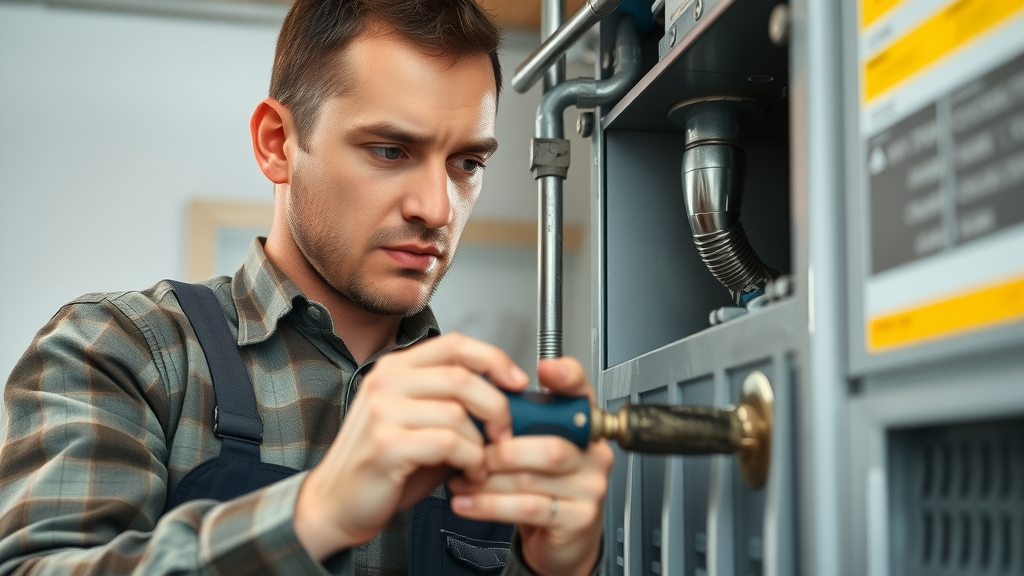
A standard furnace maintenance check consists of several detailed steps that go beyond a simple glance. The technician starts by shutting off the gas furnace and power supply to ensure safety. Next, the technician inspects and cleans the air filter, blower motor, and flame sensor, all vital for proper air quality and system performance. Each electrical connection receives a detailed assessment, while moving parts are lubricated to reduce friction and wear.
Checks also include reviewing the heat exchanger for cracks or corrosion, testing safety controls, assessing the thermostat, and watching for minor issues like dust build-up or loose belts. Finally, the expert monitors the system through a startup cycle to guarantee flawless operation. Each of these steps, in aggregate, works to extend the life of the heating system and minimize the chance of emergency repairs during the coldest months—a testament to why annual furnace inspection benefits are so vital.
| Inspection Type | Scope | Frequency | When to Choose |
|---|---|---|---|
| Standard Inspection | Basic safety & performance check Filter change, cleaning, visual diagnostics |
Annually | Preventative, routine check for all homes |
| Full Maintenance Check | In-depth testing, tune-up, parts calibration Includes heat exchanger and airflow tests |
Annually or as recommended | Older furnaces or new property purchases |
| Emergency Service | Urgent repair for breakdown or gas leak Includes diagnosis and immediate fixes |
As needed | System failure, no heat, suspected gas leaks |
Comprehensive Guide: Annual Furnace Inspection Benefits
Enhanced Energy Efficiency and Lower Energy Bills
One of the most significant annual furnace inspection benefits is improved energy efficiency. During an inspection, experienced technicians clean and calibrate crucial components, such as the blower motor and heat exchanger. This attention minimizes energy consumption and keeps heating costs in check. When your furnace is running smoothly with well-lubricated moving parts and a clean air filter, it doesn’t have to work as hard to heat your home, translating directly into lower monthly energy bills.
Besides reducing fuel usage, regular maintenance checkups can detect issues like restricted air flow or cracked heat exchangers, which otherwise cause the furnace to cycle more frequently—and inefficiently. Over time, this might lead to skyrocketing heating costs or even a costly emergency repair down the road. Investing in a routine furnace inspection is a smart and proactive way for homeowners to save money while ensuring optimal comfort and consistent system performance during winter’s harshest months.
Preventing Costly Repairs and Furnace Breakdowns
Many emergency repairs stem from minor issues that snowball into major problems due to neglect. By scheduling an annual inspection, you ensure that everything from electrical connections to the gas lines are checked for early signs of trouble. Catching a loose wire, misaligned blower motor, or minor leak during a maintenance check can prevent system-wide failures and save you from shelling out for costly repairs at the worst possible time—like during a holiday cold snap.
Regular checkups help extend the life span of your heating system by addressing wear and tear on moving parts. Repairs can be made proactively rather than reactively, minimizing the chance of complete breakdowns. Simply put, each annual furnace inspection offers invaluable peace of mind, keeping your home warm and your budget intact by dramatically reducing the probability of both minor and major furnace incidents.
Preserving Air Quality and Reducing Carbon Monoxide Risks
The quality of your indoor air is deeply connected to your furnace maintenance habits. As your system pulls air through its filters and ducts, pollen, dust, and other irritants can accumulate and be circulated back into your home. An annual furnace inspection includes changing the air filter, checking duct integrity, and cleaning components—ensuring contaminants are kept to a minimum and air quality remains high.
Perhaps more critically, these inspections are your best defense against deadly carbon monoxide exposure. Age, corrosion, or cracks in the heat exchanger and vent piping can introduce dangerous gases into your home without triggering obvious symptoms. Regular checks guarantee the heat exchanger is intact and exhaust systems are working properly, safeguarding you and your family from dangerous, odorless carbon monoxide leaks.
Extending Furnace Life: The Value of Regular Maintenance
Want to extend the life of your expensive heating equipment? Routine furnace maintenance is your best bet. Through annual inspections, moving parts are lubricated, minor issues are addressed early, and components such as the blower motor or igniter are evaluated for smooth operation. This proactive care reduces strain on your furnace and makes premature system replacement less likely, translating into long-term savings.
Modern heating systems represent a significant investment for any homeowner, and you maximize value by keeping your equipment running efficiently, year after year. In the end, the cost of a yearly inspection is a fraction of the price of a new furnace or a major repair. By investing in regular furnace inspections, you’re ensuring both the reliability of your heating system and the comfort of your home.
Protecting Your Heating System Investment
Your furnace is more than just a machine—it’s the heating heart of your home. An annual maintenance check is the best way to protect this investment. Certified technicians identify failing components, test all safety controls, and verify the system is in compliance with warranty requirements. Ignoring these steps may void your warranty and expose your home to unnecessary risk.
Consistent inspections allow you to address minor issues early, ensure fuel savings, and preserve warranty coverage. In short, protecting your heating system begins and ends with a thorough, professional furnace inspection. The payoff is continuous warmth, top performance, and fewer surprises when winter weather hits.

Peace of Mind: Avoiding Gas Leaks and Ensuring Safety
The ultimate reward of an annual furnace inspection is peace of mind. Knowing your heating system has been scrutinized for dangers such as gas leaks, electrical faults, and carbon monoxide emissions is invaluable. Professionals use modern diagnostic tools to detect even the smallest problems, resolving them before they escalate into emergencies.
This means your home is not just reliably warm but also secure from silent dangers that could threaten your family’s safety. With each annual inspection, you can rest easier knowing your home is thoroughly protected from risks large and small all winter long.
Annual Furnace Inspection Benefits vs. DIY Maintenance
When to Call the Pros: Furnace Inspections by Certified Technicians
There’s a big difference between changing your air filter and performing a full, code-compliant furnace inspection. While homeowners can handle minor tasks, in-depth diagnostics require the expertise, tools, and certification only a pro can provide. Certified HVAC technicians are trained to spot signs of trouble—like carbon monoxide leaks, faulty electrical connections, or cracks in the heat exchanger—that would go unnoticed by the untrained eye.
Furthermore, professional furnace inspections satisfy insurance and manufacturer requirements, helping preserve your system’s warranty. For anything beyond routine visual checks and filter changes, it’s safest to trust annual furnace maintenance to an experienced, certified technician.
Tasks You Can DIY—And What Must Be Left to Annual Furnace Maintenance Experts
Homeowners can certainly contribute to furnace health by handling basic upkeep. Tasks such as changing the air filter, programming your thermostat, and doing a visual inspection for obvious leaks or noises are within reach. However, more complicated procedures—like inspecting the blower motor, checking the heat exchanger, or tracking down gas leaks—should always be left to certified professionals.
Relying on a professional for annual inspections means no detail is overlooked, and your heating system continues running smoothly, efficiently, and, most importantly, safely.
- Checking thermostat settings
- Changing air filters
- Visual inspection for obvious issues
How Furnace Maintenance and Furnace Inspection Impact Home Safety
Why Annual Furnace Inspections Deter Carbon Monoxide Poisoning
Carbon monoxide is a deadly, odorless gas that can infiltrate your home if your furnace isn’t properly maintained. Annual inspections are critical in detecting early signs of trouble, like cracks in the heat exchanger or issues with exhaust ventilation. Professional HVAC technicians use sensitive equipment to measure carbon monoxide levels and verify that your home remains safe throughout the heating season.
By investing in an annual furnace inspection, you dramatically lower the risk of carbon monoxide poisoning—protecting your family’s health and providing true peace of mind.

The Link Between Maintenance Check Routines and Carbon Monoxide Detection
Consistent maintenance check routines are vital not only for system performance but also for safety. Each step in a professional inspection—from evaluating the blower motor and heat exchanger to testing electrical connections—helps spot vulnerabilities that can lead to carbon monoxide leaks. Left unchecked, these leaks can escape detection and endanger everyone inside your home.
Maintenance performed once per year ensures that exhaust systems are unblocked, burners are properly adjusted, and sensors are working as intended. The result? Your gas furnace operates safely, and your home air quality remains uncompromised, which is one of the most important annual furnace inspection benefits.
Gas Leaks: Silent Dangers and the Role of Professional Furnace Inspection
Gas leaks are among the most serious dangers associated with neglected furnaces. They can develop from deteriorating connections, faulty valves, or corrosion—often going unnoticed until it’s too late. Professionals possess both the training and the tools to pinpoint and correct these issues before they become hazardous.
Regular furnace inspections act as a firewall against gas leaks, reducing the risk of catastrophic events such as explosions or fires. By identifying and resolving gas leak risks during annual maintenance, you safeguard both your home and loved ones from harm.
Cost Benefits of Annual Furnace Inspection
How Annual Furnace Inspection Benefits Save Money on Energy Bills
A well-maintained furnace runs far more efficiently than one that’s neglected. Through cleaning, adjustments, and timely part replacements, your system consumes less energy to produce the same amount of heat. At the end of each winter, homeowners who prioritize inspections often notice a significant reduction in energy bills—sometimes by as much as 15-20%—compared to those who let maintenance lapse.
Over the years, these savings accumulate, making the initial investment in an annual inspection a wise financial decision for any homeowner looking to save money and reduce household energy consumption.
Avoiding Costly Repairs With Timely Furnace Inspection
Every minor issue resolved during an inspection prevents the need for a larger, costlier fix later on. Issues like a frayed belt, dirty sensor, or loose electrical connection—if caught early—are simple and inexpensive to repair. If left unresolved, they can cause total system failures leading to costly repairs or even emergency replacement.
An annual furnace inspection ensures your system stays dependable, preventing unexpected outages and preserving your budget all winter long.
| Service Type | Average Cost | Potential Cost Savings |
|---|---|---|
| Routine Annual Inspection | $80 - $150 | Prevents repairs $400+ |
| Full Maintenance Check | $150 - $300 | Extends furnace lifespan, maximizes energy savings |
| Emergency Repairs | $400 - $1,200+ | Often preventable with routine inspections |
The Annual Furnace Inspection Process: What to Expect
Checklist: Furnace Inspection and Maintenance Essentials
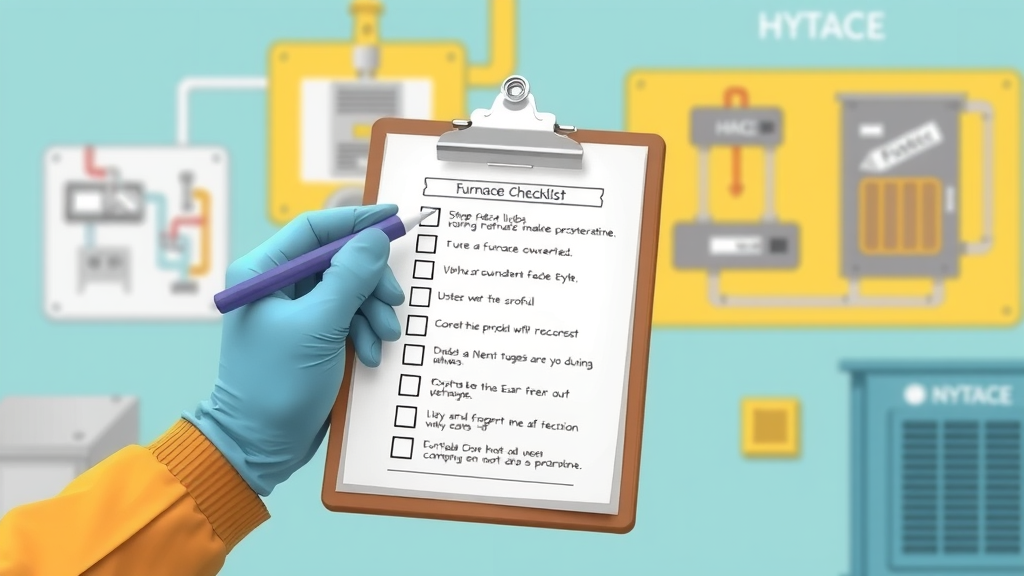
- Inspecting the blower motor
- Heat exchanger checks
- Electrical connection testing
- Safety controls assessment
When the technician arrives for your annual inspection, you can expect a standardized sequence of checks covering every vital aspect of your heating system. From ensuring the blower motor is operating smoothly without excess vibration to a careful visual and operational review of the heat exchanger, nothing is left to chance. Electrical connections are tightened, tested, and replaced as needed, while all safety controls—including the ignition system and cutoff switches—are assessed for proper function.
This thorough process guarantees that every part of your furnace is performing as it should, minimizes the risk of CO or gas leaks, and ensures your system will deliver reliable warmth all season long.
How Furnace Inspection Ensures Heating System Performance
In addition to inspecting hardware, a technician also checks system performance metrics, such as thermostat calibration, airflow, and burner flame quality. These data points ensure your furnace evenly heats every room and operates at maximum efficiency. If any part shows signs of premature wear or frequent cycling, targeted maintenance can address these issues immediately.
The result is a heating system that performs as promised, keeps your home safe, and provides consistent comfort throughout winter. A professional annual furnace inspection is the only way to guarantee uninterrupted, trouble-free operation—no matter how cold it gets outdoors.
"An annual furnace inspection is the best investment homeowners make for uninterrupted winter comfort." - Tom B., HVAC Specialist
People Also Ask: Annual Furnace Inspection Benefits
How much does an annual furnace inspection cost?
The cost typically ranges from $80 to $150, depending on your location and furnace type. More comprehensive maintenance checks may be slightly higher but are often offset by energy savings and fewer emergency repairs. Regular inspections help you avoid surprise repair bills—which frequently far exceed the inspection cost.
Do you really need to service your furnace every year?
Yes. Professional HVAC associations and manufacturers both recommend annual furnace inspections. Regular service identifies early warning signs of wear, improves energy efficiency, and helps detect dangers like gas or carbon monoxide leaks. Skipping annual maintenance checkups increases your risk of breakdowns during peak winter months.
How often should I get a furnace inspection?
An annual inspection is the bare minimum. Schedule it before winter begins each year for the highest performance, efficiency, and safety. If your furnace is older or you notice declining performance, consult with an HVAC specialist about more frequent checkups.
What is included in a furnace inspection?
A complete furnace inspection covers air filter replacement, examination of the blower motor, cleaning the burner and flame sensors, heat exchanger checks, electrical and gas line testing, thermostat calibration, ductwork review, and safety control testing. This detailed process ensures your heating system is safe, efficient, and ready for cold weather.
FAQs: Common Annual Furnace Inspection Questions
- Can an annual furnace inspection help lower my heating bills?
- Does furnace maintenance affect warranty coverage?
- How does a furnace inspection improve indoor air quality?
- What signs suggest I need a furnace inspection soon?
Key Takeaways: Maximizing Furnace Inspection Benefits Before Winter
- Annual furnace inspection benefits include safety, efficiency, cost savings, and peace of mind.
- Schedule your annual furnace inspection before winter for the best performance.
- Trust only certified technicians for thorough furnace maintenance and inspections.
Conclusion: Prepare Your Heating System - Experience the Full Range of Annual Furnace Inspection Benefits
Don’t leave your comfort and safety to chance. Unlock powerful annual furnace inspection benefits—enjoy warmth, savings, and security all winter long.
Take Action Today: Schedule Your Annual Furnace Inspection and Reap the Benefits
Ready for a safer, smarter winter? Contact your trusted HVAC professional now and put your family’s comfort first. Book your annual furnace inspection today!
Watch: Annual Furnace Inspection Benefits Explained (Video Guide 1)
Annual Furnace Inspection Benefits Explained - Comprehensive Video Guide
Watch: How Annual Furnace Inspections Keep Your Home Safe (Video Guide 2)
Regular furnace inspections are essential for maintaining a safe and efficient heating system. The article “Top 10 Benefits of a Professional Heating Safety Inspection” highlights key advantages, including enhanced safety by identifying potential hazards like gas leaks and carbon monoxide emissions, improved energy efficiency leading to reduced utility bills, and prolonged equipment lifespan through early detection of issues. (meadeshvac.com) Similarly, “Top 7 Benefits of Annual Furnace Maintenance” emphasizes the importance of regular upkeep in extending the furnace’s lifespan, enhancing indoor air quality by reducing dust and allergens, and preventing costly repairs by addressing minor problems before they escalate. (homecomfortexpertsinc.com) By prioritizing annual furnace inspections, homeowners can ensure a warm, safe, and cost-effective environment throughout the winter season.


Write A Comment