


Did you know that nearly 25% of home heating fires could be prevented with a simple annual furnace inspection? Staying safe isn’t just a matter of comfort—it can be a matter of life and death. As we approach August 2025, it's more crucial than ever to follow an up-to-date home furnace inspection checklist to protect your family, maintain air quality, and avoid unexpected repairs or energy bills spiraling out of control. This comprehensive guide will walk you through every step of modern furnace care, so you can confidently keep your home running safely and efficiently all year long.
Startling Furnace Safety Facts: Why a Home Furnace Inspection Checklist Matters
"Did you know that nearly 25% of home heating fires could be prevented with a simple annual furnace inspection?" – National Fire Protection Association
Understanding the Risks: Fires, Carbon Monoxide, and Indoor Air Quality
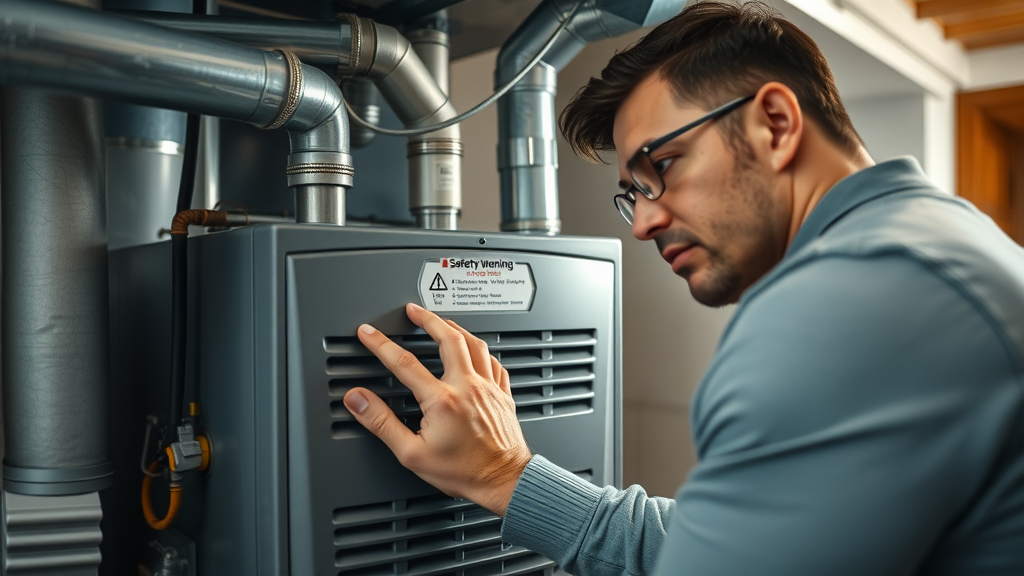
Using a home furnace without frequent inspection can expose your home and family to a variety of risks—some obvious, others silently dangerous. Fires are the most dramatic threat; according to safety data, neglected furnaces are major contributors to residential fire statistics in the U.S. However, risks like carbon monoxide leaks are even more insidious, as this odorless and colorless gas can go undetected without a proper monoxide detector. In addition to life-threatening incidents, improper furnace maintenance can drastically reduce indoor air quality, circulating dust, allergens, and harmful gases throughout your living space. Recognizing these threats is the first step in preventing them—it all starts with a detailed maintenance checklist designed around your hvac system.
Beyond safety, regular inspection of your heating and cooling system protects you from costly repairs and unexpected disruptions to home comfort. Over time, poorly maintained systems lead to higher energy bills due to loss of energy efficiency, clogged air filters, or unnoticed water damage. Adopting a comprehensive home furnace inspection checklist not only reduces emergencies, but also ensures that improvements in air quality are sustained, safeguarding your family’s health and comfort for every season.
What You’ll Learn From This Home Furnace Inspection Checklist
- Key elements of a thorough home furnace inspection checklist
- How to identify critical maintenance tasks
- Ways to improve indoor air quality and safety
- When to call a professional for hvac maintenance
Home Furnace Inspection Checklist Essentials: The Ultimate Maintenance Checklist for 2025
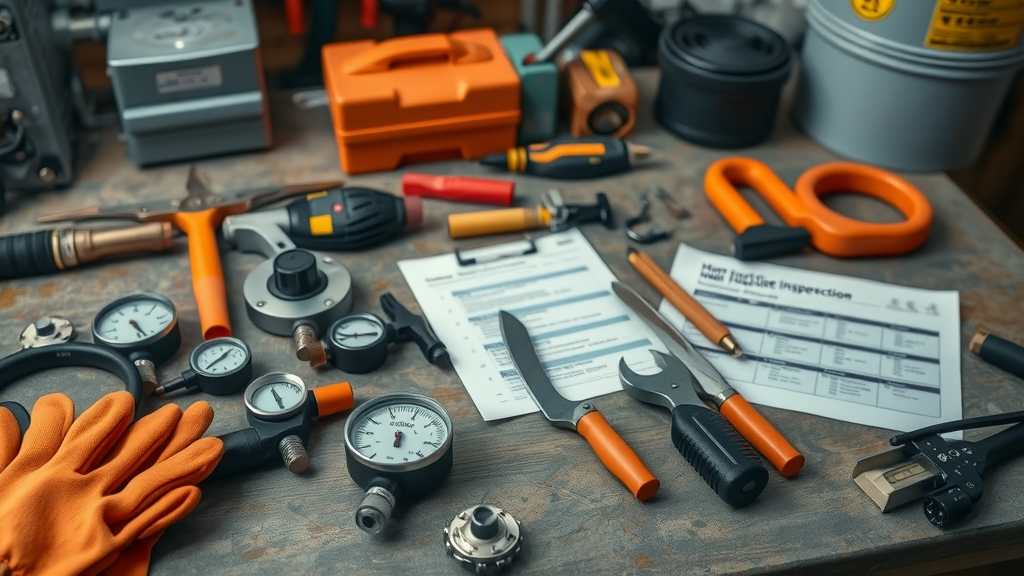
Staying ahead of furnace issues starts with a standardized process. This comprehensive home furnace inspection checklist incorporates proven elements from leading ac maintenance and hvac maintenance guides, making it easier to track each maintenance task and keep your hvac system in top condition. Remember, each step directly correlates to improved energy efficiency, reduced energy bills, and greater peace of mind for you and your family.
For 2025, pay close attention to evolving equipment standards and new smart home integrations, including smart thermostat calibration and high-efficiency air filter requirements. This guide also explains how regular maintenance supports both year-round home comfort and system longevity, effectively reducing the likelihood of major breakdowns. Use the table below to organize your routine and delegate tasks between homeowner and licensed hvac tech.
| Inspection Step | Frequency | Who Should Do It |
|---|---|---|
| Visual furnace and vent inspection (rust, wear, water damage) | Twice yearly | Homeowner |
| Air filter replacement and cleaning | Every 1–3 months | Homeowner |
| Carbon monoxide detector test | Monthly | Homeowner |
| Professional HVAC system inspection & full tune-up | Annually (August & pre-winter) | Licensed HVAC Tech |
| Thermostat calibration and function check | Annually | Homeowner/HVAC Tech |
| Blower assembly and fan cleaning | Annually | HVAC Tech |
Scheduling and Preparing for Home Furnace Inspection
Reliability lies in routine. When setting up your home furnace inspection checklist, consider both annual and seasonal timeframes for optimal maintenance and ac maintenance efficiency. Tackling your hvac system maintenance these ways not only means cleaner indoor air, but also guards against surprises when extreme weather returns. Plus, preparing in advance means less stress and more time enjoying consistent home comfort.
Coordinating inspections should include backing up system documents, reviewing your past maintenance plan records, and setting reminders for each critical maintenance task. Remember, a well-prepared household is both safer and less likely to face costly emergency calls. Properly involving your family in safety routines, from shutting off power to understanding the signals from monoxide detectors, helps reinforce lifelong habits for hvac system care.
Annual vs. Seasonal Maintenance Checklist: What’s Best for Your hvac system?
Choosing between an annual full-service tune-up and frequent, seasonal checks depends on your system’s age, the local climate, and the demands of your household. Most hvac techs recommend comprehensive annual inspections before fall or winter begins, combining this with seasonal ac maintenance and air filter changes every two to three months. Seasonal maintenance lets you spot issues early, from minor blockages impacting air quality to early signs of wear that could lead to costly repairs if overlooked.
A best practice is to create a simple maintenance checklist that combines visual checks, filter swaps, and carbon monoxide monitor tests with scheduled professional visits. This approach maximizes energy efficiency and provides unmatched peace of mind as energy demands shift through the year. Ultimately, adapting your maintenance frequency to system wear, usage patterns, and manufacturer’s advice will yield the safest and most cost-effective results for your hvac system.
Preparing Your Home and Family for a Safe Inspection
A safe furnace inspection includes more than technical checks—it’s an opportunity to train your household for emergencies. Start by organizing all maintenance and warranty documents, and ensure clear access to all hvac system components. Teach family members how to safely shut down power to the system and test the carbon monoxide detector in case of a warning. Consider reviewing evacuation plans, especially if your heating system includes oil or gas furnaces, to respond quickly to unexpected leaks or alerts.
Additionally, discuss the inspection schedule with your family. A maintenance checklist should include steps everyone can help with, such as replacing air filters or visually checking for water leaks and odors. By distributing the maintenance tasks and training everyone in emergency protocol, you foster a culture of safety—laying the groundwork for consistent, reliable operation of your heating and cooling systems no matter the season.
Step 1: Visual Inspection—The Foundation of Your Home Furnace Inspection Checklist
- Checking for water damage
- Examining air filter and air filters
- Identifying physical wear and tear
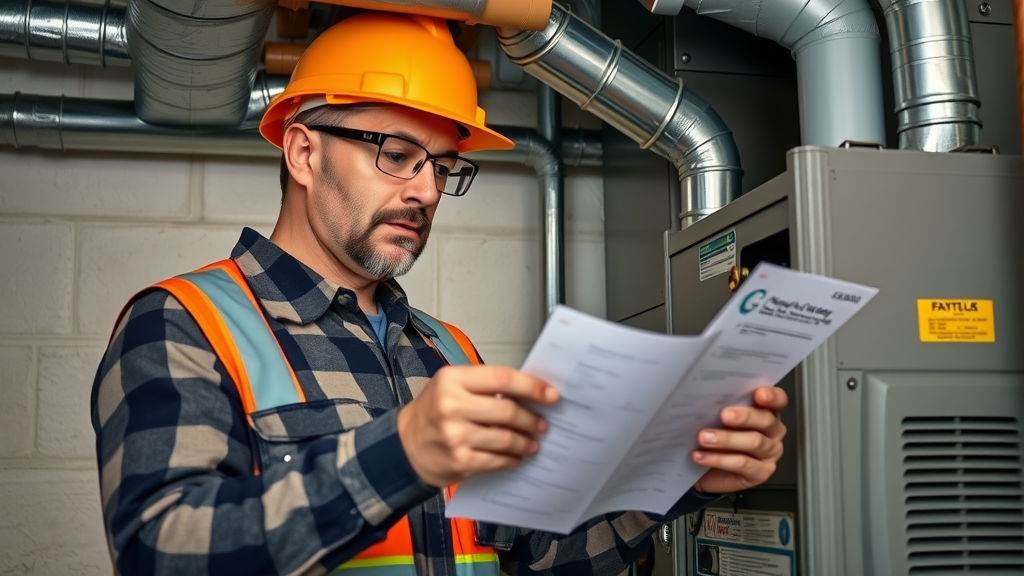
A successful home furnace inspection checklist always starts with a careful visual review. Begin by checking for obvious water damage around the system—water pooling, rust, or signs of mold may indicate hidden leaks. Left unchecked, moisture can corrode core components or disrupt electrical systems, causing sudden failure or costly repairs. Next, evaluate the air filter; a clean filter is essential for free airflow, optimal indoor air quality, and preventing dust buildup in your hvac system.
Beyond the basics, inspect all system panels, belts, wiring, and venting for looseness, cracks, or frayed insulation—key signs of age or mechanical stress. Log each finding as a maintenance task in your checklist, noting areas to revisit or monitor for future concern. This proactive approach ensures no issue goes unnoticed, and makes it easier to communicate any concerns clearly to your hvac tech during professional assessments.
Step 2: Testing Furnace Safety Features—Focus on Carbon Monoxide and Monoxide Detector Checks
Carbon Monoxide Detector Validation
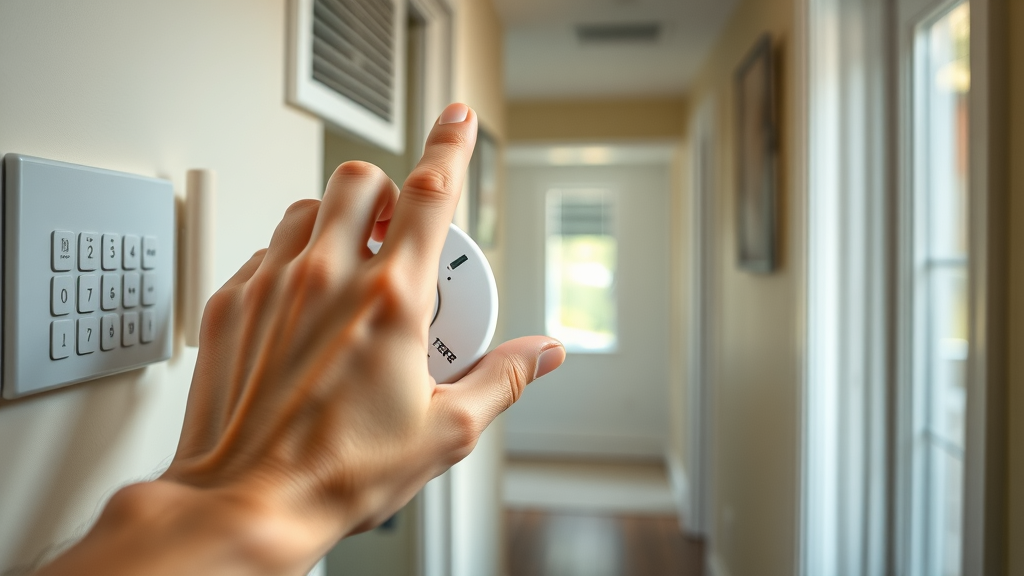
Testing for carbon monoxide can save lives. Your home furnace inspection checklist must prioritize monthly carbon monoxide detector checks, ensuring batteries are fresh and alarms sound at the correct threshold. Even the best-maintained heating system can develop faults over time that result in leaks, especially after system upgrades or during high-use months like winter.
Place detectors on each floor, especially near bedrooms and any shared walls with garage or furnace rooms. Set a recurring schedule for these tests—most modern detectors come with ‘test’ buttons for easy confirmation if the alarm is functional. Replace each detector according to the manufacturer’s lifespan (often every 5–7 years) to keep your indoor air safe and free from hidden threats.
Testing Emergency Shut-Offs
Your hvac system should readily shut down in case of smoke, leaks, or electrical surges. As part of every maintenance checklist, verify emergency shut-off switches and circuits function smoothly and are accessible to all adults in your home. If you notice any hesitations, sparks, or resistance in controls, flag this immediately and seek help from a certified hvac tech.
Additionally, inspect gas supply shut-off valves and fuel lines for your furnace; they must be free of corrosion and tightly sealed. These maintenance tasks are not only about quick response—they serve as a preliminary defense, reducing the risk of fires, gas exposure, or larger-scale water damage after a critical failure. According to safety experts, well-maintained emergency shut-offs are linked to significant reductions in home insurance costs and emergency service calls.
Step 3: Maintaining Optimal Air Quality and Indoor Air Quality
Checking and Replacing Air Filters
Maintaining high indoor air quality starts with one simple step: checking and replacing the air filter in your hvac system. Clogged, dusty air filters force the heating and cooling system to work harder, raising energy costs and circulating allergens that may impact family health. As a rule, swap out air filters every one to three months, more frequently if you have pets, allergies, or live in dusty environments.
During inspections, always compare the old filter with a fresh one—the difference is often visible and dramatic. A clean filter not only reduces wear on your blower motor, but also helps you avoid unnecessary service calls or maintenance tasks down the road. Make air filter care an integral part of your maintenance checklist and log the date and type replaced to maintain consistency and energy efficiency.
Identifying Issues Impacting Indoor Air and Air Quality
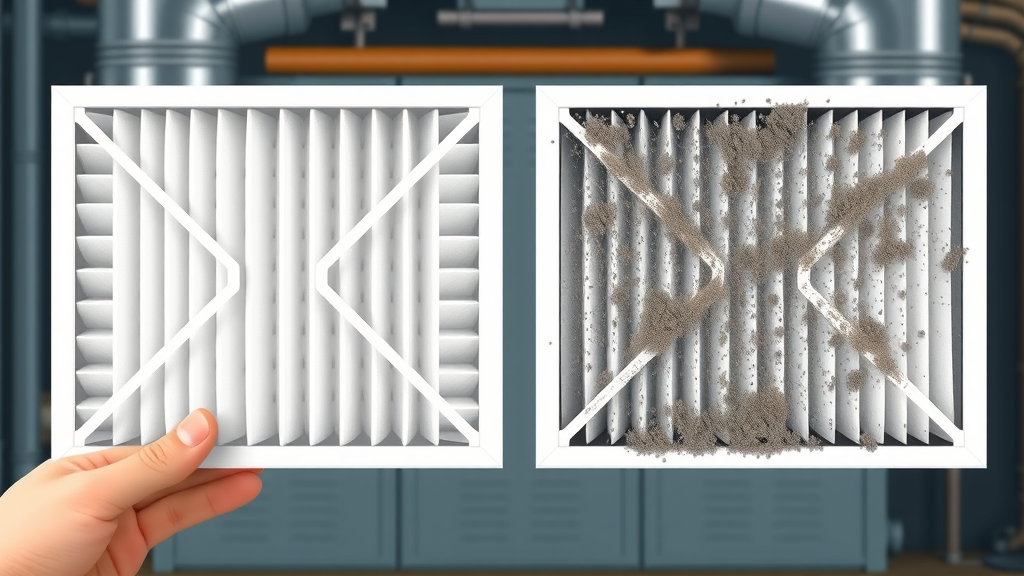
The quality of your indoor air is influenced by several factors—dust levels, humidity, season, and even nearby construction or wildfire smoke can impact safety. Include in your home furnace inspection checklist a step to review both intake vents and ductwork for buildup, strange smells, or visual debris. Blocked vents or excessive dust can quickly compromise air quality and signal bigger problems with your hvac maintenance or past filter choices.
To further protect your air quality, consider investing in HEPA or smart-filter systems if allergies or respiratory issues are present in your household. Pay special attention after major renovation projects, as dust or chemicals can accumulate in the hvac system. Simple maintenance tasks now will yield substantial health benefits and longer lasting, higher-performing heating and cooling equipment over time.
Step 4: Inspecting HVAC System Components
Cleaning Blower Assembly and Fan
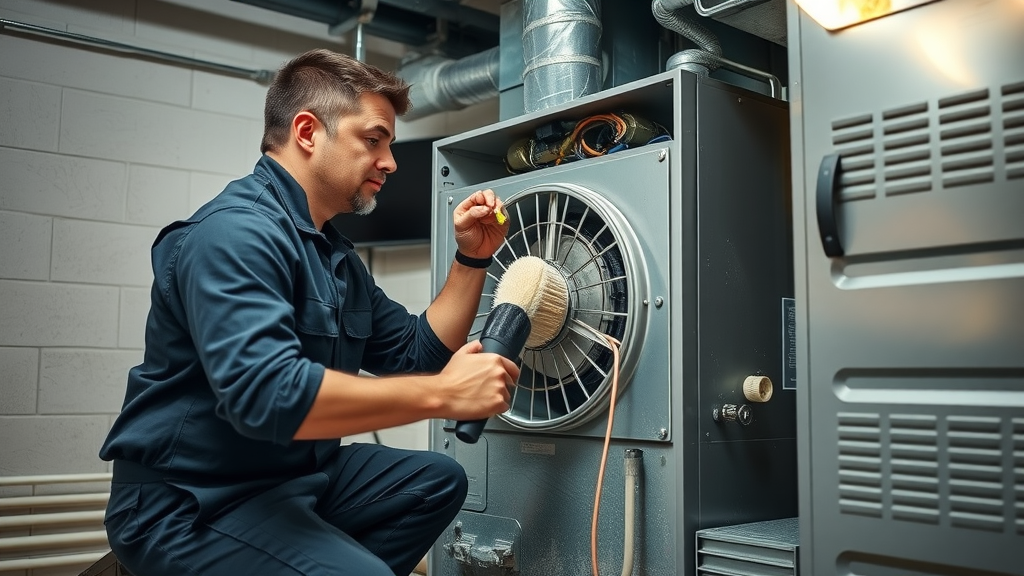
The blower assembly and fan are the force behind your entire hvac system, pushing warm or cool air throughout your home. Over time, accumulated dust, hair, or lint can cause the blower to slow or overheat, reducing your system work efficiency and increasing the risk of breakdown. As a key maintenance task, make sure to inspect, vacuum, and gently clean these components at least once per year—a job best completed by a licensed hvac tech.
If you've noticed odd noises or weak air flow, a dirty or unbalanced blower may be to blame. Routine cleaning not only improves energy efficiency and reduces energy bills, but also ensures the blower motor lasts longer without expensive repairs. Schedule this as a core part of any annual system tune-up or ac maintenance routine for peak performance.
Inspecting Thermostat Calibration
A well-calibrated thermostat is the brains of your heating system, determining when and how long your hvac system runs. As part of your maintenance checklist, test whether your home temperature settings match actual room conditions using a portable thermometer. Minor discrepancies—often caused by old wiring or location in direct sunlight—can make a big difference, leading to higher energy bills or an unevenly heated home.
A programmable or smart thermostat not only offers granular control but provides scheduling features that optimize both home comfort and energy efficiency. For best results, recalibrate your thermostat at least once a year or after any significant repair work, and review your programming schedule when seasons change. These simple adjustments ensure you’re not only saving money, but also supporting a safe, responsive heating and cooling environment for everyone.
Step 5: Monitoring Maintenance Tasks for Ongoing Safety
- Tracking completed maintenance tasks
- Setting reminders for upcoming hvac maintenance
- Logging ac maintenance and repairs
No home furnace inspection checklist is complete without a strategy for tracking and scheduling. Log every maintenance task, from small filter swaps to major technician visits, and monitor upcoming needs with digital reminders or a detailed maintenance binder. Staying organized not only simplifies your hvac maintenance plan but also makes warranty claims, insurance adjustments, and professional consultations smoother and more effective.
Additionally, keeping updated logs of your ac maintenance and repair timelines helps identify recurring issues, supports peace of mind, and enhances resale value by showing prospective buyers that your hvac system is cared for. For the best results, review your logs each time you perform a new task and encourage your service provider to detail any major changes, upgrades, or parts replacements. Good records mean safer, cost-effective, and easier-to-manage home systems.
People Also Ask: Home Furnace Inspection Checklist Insights
What is included in a home furnace inspection checklist?
A comprehensive home furnace inspection checklist should include visual system checks (for rust, water damage, and loose connections), validation of safety equipment like carbon monoxide detectors, filter replacements, and operational tests for system start-up, shut-off, and thermostat calibration. Regular inspections by a qualified hvac tech and consistent log-keeping round out the process, keeping your system running safely and efficiently.
How often should a furnace maintenance checklist be completed?
Most experts recommend a full maintenance checklist review at least once a year, ideally in late summer before heating season ramps up. However, certain maintenance tasks—like air filter swaps and carbon monoxide detector checks—should be completed monthly or quarterly for maximum safety and indoor air quality. Adjust frequency based on your system’s age, household size, and use patterns.
Why is carbon monoxide detection crucial during furnace maintenance?
Carbon monoxide is a colorless, odorless gas produced by faulty combustion in your hvac system. During furnace maintenance, testing detectors ensures early warning should a leak develop. Undetected, carbon monoxide exposure can cause headaches, dizziness, or in severe cases, fatal poisoning. Including this check in every maintenance checklist is essential for protecting your household’s health.
Are DIY furnace inspection checklists safe and effective?
DIY maintenance checklists are a great start, especially for routine maintenance tasks like changing filters or monitoring thermostat functions. However, complex repairs, calibration, and advanced component cleaning are best left to professional hvac techs. For best results, combine careful DIY upkeep with an annual professional inspection to guarantee comprehensive safety and system reliability.
Detailed Answers: Home Furnace Inspection Checklist and Related Questions
Comprehensive Coverage of Home Furnace Inspection Checklist Items
High-quality home furnace inspection checklists are structured to cover all elements of system operation and safety. From visual and functional hardware assessments to filter care, thermostat calibration, and carbon monoxide testing, it’s about being proactive. Each critical point—documented during both DIY and professional checks—helps you maintain top air quality, catch developing issues early, and extend the life of your investment.
Review common trouble spots: intake and exhaust vents, system control boards, safety shut-offs, and blower assemblies. Don’t skip smaller, recurring maintenance tasks such as lubricating moving parts and monitoring for strange noises; these often point to early signs of wear, saving you money and trouble if handled promptly.
Home Furnace Inspection Checklist Frequency and Scheduling Best Practices
Frequency matters more than most homeowners realize. For best performance, your full maintenance checklist should be performed at least once per year by a licensing hvac tech—ideally at the tail end of summer or early autumn. Routine filter changes and simple household checks can be spread across months, helping keep the ac maintenance demands from piling up. Maintaining a digital log or calendar of these recurring tasks is an effective habit that leads to safer, more efficient heating and cooling year-round.
Adopting a family maintenance culture is powerful; review reminders together and empower older teens or adults to help monitor visually obvious issues, like dust, odors, or strange system shutoffs. The more you involve everyone, the less likely serious problems will slip by.
The Role of Carbon Monoxide in Furnace Safety
Carbon monoxide serves as a silent but lethal threat if not caught promptly. Your maintenance checklist should feature carbon monoxide testing prominently—before the start of each heating season and monthly device checks. Leaks can result from blocked exhaust vents, cracked heat exchangers, or improper combustion; early discovery means better outcomes.
Today’s smart detectors provide extra-layered alerts to smartphones and community emergency services in case a leak is detected, raising the bar for family safety. A commitment to regular testing and detector upgrades is fundamental for a safe, healthy living environment and total peace of mind.
DIY vs. Professional HVAC Maintenance: Pros, Cons, and Safety Considerations
DIY care—changing filters, logging maintenance tasks, checking batteries in alarms—saves time and money and keeps your household invested. However, missteps or overlooked issues (like improperly sealed wiring, loose gas fittings, or unnoticed water damage) can be dangerous and expensive to fix. Professional hvac techs bring advanced diagnostic tools, training, and insurance—catching what most homeowners might overlook.
Combining both worlds is your best defense. Schedule annual professional tune-ups and supplement them with smart, regular DIY routines. This partnership guarantees all corners are covered and your hvac system stays strong and dependable through every season.
Pro Tips: Create Your Own Home Furnace Inspection Checklist
- Develop a maintenance checklist tailored to your home furnace type.
- Schedule bi-annual hvac maintenance inspections.
- Record each maintenance task and outcome.
"An ounce of prevention saves more than just money – it could save lives by preventing carbon monoxide incidents." – Certified HVAC Pro
Key Takeaways: Home Furnace Inspection Checklist Essentials
- Regular inspections prevent accidents and improve efficiency
- Never neglect carbon monoxide detector tests
- Include ac maintenance and air filter replacement every season
- Document maintenance tasks for safety accountability
FAQs: Home Furnace Inspection Checklist & HVAC Maintenance

Do all home insurance policies require a home furnace inspection checklist?
While not every insurance provider demands a formal checklist, most major companies offer discounts or policy advantages for homes with annual, documented home furnace inspection checklists. Safety compliance can reduce your premiums, speed up claims, and in some cases even be mandatory for high-value or multi-family properties.
Can a maintenance checklist improve indoor air quality?
Yes! Keeping up with every maintenance task—especially regular air filter changes, vent cleaning, and professional duct inspections—directly improves indoor air quality. You’ll reduce dust, allergens, and contaminants, creating a cleaner, healthier home with every routine.
What signs suggest a professional hvac maintenance check is needed soon?
Unusual noises, persistent dust, rising energy bills, uneven heating, or repeated thermostat issues usually signal professional help is needed. If your heating and cooling system smells strange, shuts off abruptly, or produces alarms from the carbon monoxide detector, book an expert visit right away for safety.
Conclusion: Safeguard Your Home with a Thorough Home Furnace Inspection Checklist
Stay proactive with your home furnace inspection checklist—protect your family, lower costs, and breathe easier with confidence in 2025 and beyond.
Ready to Stay Safe? Download Your Free Home Furnace Inspection Checklist for August 2025
Act now—download our expert-verified, up-to-date home furnace inspection checklist for August 2025, and make sure every maintenance task is handled before the season begins!
Regular furnace inspections are essential for maintaining a safe and efficient heating system. To assist you in this process, here are two authoritative resources that provide comprehensive checklists:
-
“Your Complete Gas Furnace Inspection Checklist” (angi.com) offers a detailed overview of annual furnace maintenance tasks, including cleaning and oiling motors, checking thermostats, inspecting ignition systems, and more.
-
“Annual Furnace Maintenance | Furnace Maintenance Checklist” (carrier.com) provides a step-by-step guide covering essential maintenance activities such as air filter replacement, thermostat operation checks, and heat exchanger inspections.
By following these checklists, you can ensure your furnace operates safely and efficiently throughout the year.


Write A Comment