


Did you know that over 70% of unexpected heating failures during winter could have been prevented simply by following basic furnace maintenance tips? As energy bills climb and new regulations reshape homeownership, understanding the vital steps for furnace maintenance is no longer just a good idea—it’s a necessity. This comprehensive 2025 guide not only highlights crucial updates and rules, but also walks you through practical, cost-saving steps so your home stays safe, efficient, and comfortable all winter long. Read on to keep your heating system running strong, safeguard your investment, and avoid costly repairs!
Startling Statistics: Why Furnace Maintenance Tips Matter More Than Ever in 2025
"Recent studies reveal that over 70% of unexpected heating failures in winter could have been prevented via simple furnace maintenance tips."
In 2025, the demand for furnace maintenance tips has reached an all-time high as both energy and repair costs soar. With natural gas prices fluctuating and HVAC system advances becoming standard in new homes, the risks of neglecting your heating system have never been greater. According to the Department of Energy and leading HVAC analysts, more than two-thirds of repair calls result from issues that regular maintenance would have prevented. This means a forgotten air filter or an ignored drain line can spell not only discomfort but also a hefty and avoidable bill.
The gap between homes that schedule routine furnace maintenance and those that do not is now glaring—well-maintained heating systems enjoy longer lifespans, lower energy bills, and improved air quality. As government agencies ramp up safety standards, complying with new regulations isn’t just smart, it’s required for homeowners who care about their investment and safety. Let these statistics light the fire under your preventive maintenance plan for the coming season.
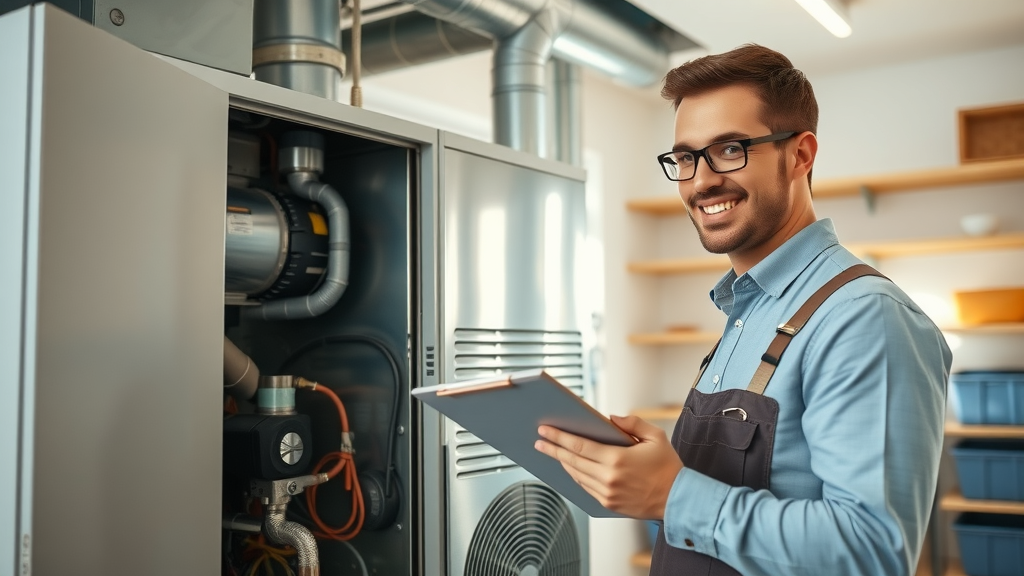
What You'll Learn From These Furnace Maintenance Tips
- Latest furnace maintenance regulations and changes in 2025
- Key preventive steps to avoid costly repairs
- Ways proper maintenance can save you money
- Expert strategies to optimize air quality and safety
The Importance of Regular Furnace Maintenance Tips for Homeowners
Staying on top of regular furnace maintenance tips is critical—especially in 2025, as updated gas furnace models and more advanced HVAC systems become the norm. A proactive approach means your heating system will run efficiently all winter long. Compared to reactive, emergency repairs, planned maintenance checks bring peace of mind, lower your energy bill, and make your home safer from risks like carbon monoxide leaks.
For homeowners seeking an efficient home, proper furnace maintenance inspections are a cornerstone of home improvement. Addressing wear-and-tear, cleaning or replacing your furnace filter, and testing safety devices can help you avoid costly repairs and add years to your gas furnace life. Even tasks that seem straightforward, like ensuring the drain line is clear, fall under crucial maintenance—making regular service an investment in comfort and savings.
How Furnace Maintenance Tips Save You Money on Gas Furnace and HVAC Maintenance
One of the best reasons to follow furnace maintenance tips is to save you money. Routine tasks like changing your air filter, checking the drain line, and calibrating your thermostat can have a real impact on your monthly energy bills and long-term repair costs. According to recent studies, homeowners who prioritize maintenance cut unexpected HVAC maintenance costs by over 30%. These savings can add up quickly, especially when you factor in the high cost of replacing a compromised gas furnace or dealing with emergency service calls during the busy winter season.
HVAC systems, which may include both heating and air conditioning units, work much more efficiently when they’re properly maintained. Not only will you notice fewer breakdowns, but your entire heating and cooling system will run smoother and last years longer. Remember: a small investment in maintenance checks today can prevent the high price tag of a full system replacement tomorrow.
Preventive Maintenance: Avoid Costly Repairs Through Proactive Furnace Care
The greatest benefit of consistent preventive maintenance is avoiding costly repairs before they become necessary. Most gas furnaces and modern HVAC systems develop problems slowly over time due to dirt buildup, worn-out components, and unchecked issues in the drain line or venting. Scheduling regular maintenance checks, either as a homeowner or with a professional, allows you to detect small issues early, dramatically reducing the likelihood of expensive repairs.
Homeowners who neglect their annual furnace maintenance run a much higher risk of failure during peak heating months, when help may not be available at short notice. By taking simple, regular steps—like monitoring your furnace filter and keeping air filters clean—you’re not only prolonging the life of your unit but also ensuring safe, reliable operation that keeps your house warm all winter long.

Furnace Maintenance Tips and Home Improvement: Improving Air Quality
Home improvement isn’t just about what you can see—it’s also about the air you breathe. High-quality furnace maintenance tips emphasize steps that significantly improve air quality, benefiting your entire household. For example, a clogged furnace filter or improper air filter can quickly reduce indoor air clarity, circulate dust and allergens, and impact everyone’s respiratory health.
Regular HVAC maintenance, including checking and replacing air filters and cleaning ductwork, plays a major role in maintaining fresh, clean air throughout your home. These easy-to-do tasks complement your other home improvement efforts by making your living space healthier and more comfortable, which is especially important during the winter long months when windows are closed and fresh air exchange is minimal.
New Furnace Maintenance Rules for 2025: What Homeowners Must Know
Legislation in 2025 brings meaningful changes for homeowners focused on furnace maintenance tips. Updated requirements emphasize energy efficiency, stricter safety protocols, and environmental responsibility. As new gas furnace designs hit the market, and environmental mandates phase-out certain refrigerants, it’s vital that homeowners keep up-to-date with evolving regulations to ensure compliance and optimal furnace performance.
Missing these updates could lead to costly fines, voided warranties, or preventable failures in your HVAC system. Understanding these rules protects your investment, allows you to budget wisely, and keeps your home improvement efforts on the right side of both comfort and the law.
What are the New Furnace Rules for 2025?
The most notable new furnace rules for 2025 require both annual professional maintenance and implementation of advanced safety checks, such as mandatory carbon monoxide detectors for all new installations. Local and federal regulations have become more aligned, pushing for both energy efficiency upgrades and robust record keeping for all HVAC system maintenance. Whether you rely on natural gas or another fuel, these new standards are designed to make your home safer, cleaner, and more efficient.
Compliance is now a key element of homeownership—if you plan to upgrade, replace, or service your furnace, make sure you verify the most current guidelines, as they can directly impact everything from your home insurance coverage to the value of any future sale or refinance.
How Do 2025 HVAC Changes Impact Furnace Maintenance Tips?
The updates coming in 2025 also affect ac maintenance and heat pump systems. With newer systems featuring complex electronics and connectivity, regular user checks and annual professional diagnostics are now not just good practice—they’re a compliance requirement. Many manufacturers and regulatory bodies are also focusing on environmentally friendly refrigerants, ensuring your entire HVAC system, heating and cooling combined, aligns with stricter emissions guidelines.
Homeowners will find overlapping maintenance tasks between their furnace and air conditioning units, but each now requires new, specialized attention. Expect shorter intervals between maintenance checks for high-efficiency systems, and updated homeowner manuals reflecting enhanced best practices.
Furnace Maintenance Tips Explained: Step-by-Step Guide
To keep your gas furnace in peak condition, follow this practical, step-by-step checklist. These tasks prevent the most common causes of system failure and ensure safe, efficient operation all season. Many are simple enough for routine DIY care, while others will need the skill of a certified hvac technician.
- Check your furnace filter regularly
- Test carbon monoxide detectors
- Inspect the drain line and electrical connections
- Schedule a professional maintenance check
- Don’t forget about your air filter and air conditioner unit
- Adjust your thermostat settings
Each step is vital. For instance, when you change your filter monthly, you not only optimize your heating system but also enhance your home’s air quality. Regularly testing safety devices like carbon monoxide detectors is equally important, closing the gap on a serious hazard that can go undetected.
Remember, when uncertainty arises—such as diagnosing complex drain line or electrical issues—consult a trusted HVAC professional. Proactively scheduling these tasks will prolong the life of your furnace and result in significant savings on your energy bill.
See our “Step-by-Step Furnace Maintenance Tips Video Tutorial” for a visual walkthrough of these essential steps.
Furnace Maintenance Tips vs. AC Maintenance: Key Differences and Overlapping Tasks
While furnace maintenance tips and ac maintenance both fall under the broader umbrella of HVAC maintenance, understanding the key differences ensures you never miss a crucial step. Furnace maintenance generally centers on fuel delivery, combustion safety, venting, and heating components, while AC maintenance is more about refrigerants, condensate management, and cooling coil efficiency.
Some maintenance tasks, like changing air filters or cleaning indoor units, overlap for both systems—saving you time and making it easier to schedule home improvement routines. However, seasonal requirements may differ: plan furnace checks before winter and AC service before the summer months to avoid costly disruptions during peak seasons.
| Maintenance Task | Furnace Maintenance | AC Maintenance | Overlapping Task? |
|---|---|---|---|
| Replace air filter | ✔️ | ✔️ | Yes |
| Test carbon monoxide detectors | ✔️ | ❌ | No |
| Inspect drain line | ✔️ | ✔️ | Yes |
| Check refrigerant levels | ❌ | ✔️ | No |
| Clean or service combustion/ignition parts | ✔️ | ❌ | No |
| Thermostat calibration | ✔️ | ✔️ | Yes |
| Clear outdoor unit/debris | ❌ | ✔️ | Sometimes |
Don’t Overlook These Crucial Furnace Maintenance Tips: Furnace Filter, Carbon Monoxide, and Drain Line
The foundation of every furnace maintenance checklist includes these three essentials: changing the furnace filter, checking for carbon monoxide leaks, and inspecting the drain line. Forgetting any of these can compromise both safety and system longevity.
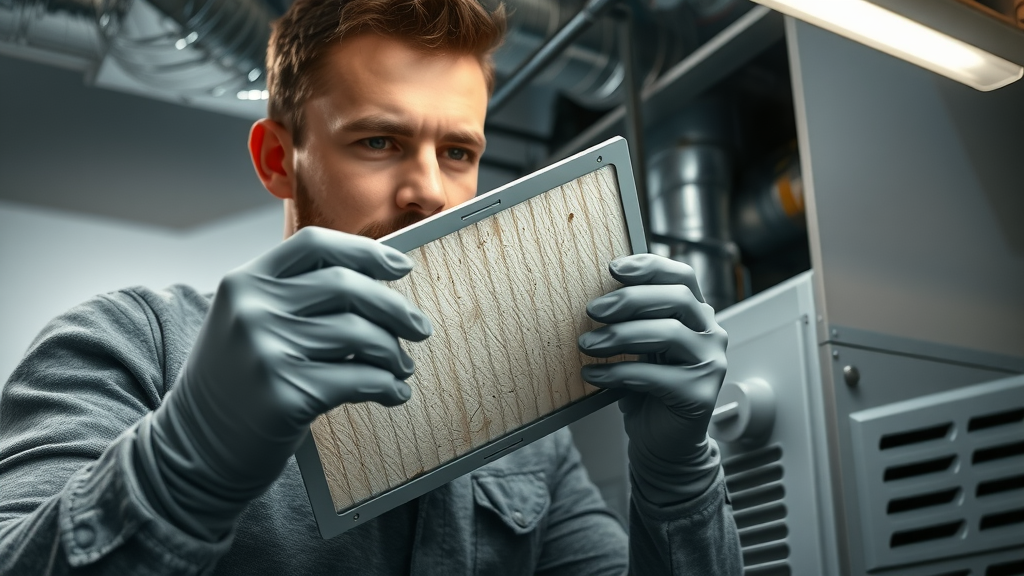
Why Furnace Filter Checks Are Vital for Air Quality and HVAC Maintenance
Running your heating system on a dirty furnace filter restricts airflow, causes your heat exchanger to work overtime, and quickly jeopardizes air quality. HVAC experts recommend changing your furnace filter monthly during peak use. This simple act keeps dust and airborne particles at bay, boosts system efficiency, and extends the lifespan of both your gas furnace and your air conditioning system. If you’ve noticed your allergies flaring or dust building up, make it a priority to check and change your filter today!
Clean filters also lower utility bills because your gas furnace doesn’t have to work as hard, and they help avoid costly repairs caused by overworked blowers or overheating components. Make “change your filter” a regular item on your home maintenance calendar for peace of mind all year round.
Preventing Carbon Monoxide Hazards with Proper Furnace Maintenance Tips
Carbon monoxide is an invisible, odorless gas that poses a deadly risk if your gas furnace isn’t maintained properly. Key furnace maintenance tips include annual professional inspections and testing carbon monoxide alarms with every filter change. New 2025 rules require at least one carbon monoxide detector near each gas appliance—a small investment that can save lives. Keep vents clear, check for rust or corrosion on the vent pipe, and repair any damaged seals around your heating system immediately. Preventive maintenance is your best defense against this silent danger every winter long.
If your detector ever sounds an alarm, ventilate your home immediately and contact an HVAC technician for a thorough system check. Staying vigilant now means avoiding both health threats and unexpected system shutdowns in the coldest months of the year.
Managing Drain Line Issues Before They Become Costly Repairs
A blocked or leaky drain line can cause water to back up into your heating system, leading to mold growth, water damage, or even furnace failure. Inspect the condensate drain line regularly—especially after summer months when your air conditioner shares drainage routes. Look for standing water, leaks, or musty smells. A quick flush with a diluted bleach solution can often clear minor buildups, but persistent issues call for professional attention.
Addressing drain line problems proactively is an important part of both furnace and ac maintenance. Taking care now means you’ll avoid costly repairs and disruptions when you need your system most—during the peak of winter or summer heat.
Maintenance Check Essentials: Pro Scheduling and DIY Furnace Maintenance Tips
"A well-maintained furnace not only ensures comfort but can cut energy costs by up to 30%." — HVAC Industry Expert
Whether you choose DIY maintenance or hire a licensed hvac technician, routine maintenance checks are crucial for keeping your gas furnace and HVAC system running strong all year. Certain tasks are perfect for homeowners: replacing filters, clearing debris, or adjusting thermostat settings. Others, such as heat exchanger cleaning or precision safety checks, should always be performed by trained professionals.
Set a recurring reminder for seasonal maintenance, and keep a checklist of the steps you’ve completed. This organized process ensures nothing falls through the cracks—protecting your family and helping your heating and cooling investment pay dividends for years to come.
Maintenance Check or Professional Service: What’s Right for Your System?
Deciding between a DIY approach and professional maintenance often comes down to your comfort with home improvement, the complexity of your heating system, and regulatory requirements. If your system is new, in warranty, or integrated with smart home features, professional service may be mandated to keep your warranty valid. At a minimum, schedule one annual maintenance check with a qualified HVAC technician. For older units or when you encounter unusual noises, carbon monoxide alarms, or rapid cycling, don’t hesitate—call an expert.
Professionals bring specialized tools and knowledge, from measuring combustion efficiency to diagnosing subtle electrical issues in your gas furnace or heat pump. Combining periodic expert attention with monthly at-home care is the most reliable way to avoid emergencies and maintain an efficient home.
Homeowner Preventive Maintenance Tips for Gas Furnace Longevity
The simplest preventive maintenance steps can add years to your gas furnace’s lifespan. Mark your calendar for filter changes, keep your utility room tidy, and visually inspect the furnace’s flame color—blue is best; yellow could signal a problem. Confirm that your thermostat is accurate and that your air filter is clean for healthy air quality all winter long. Whenever you’re in doubt, it’s always a good idea to check your owner’s manual or reach out to an HVAC technician.

Watch as an “Expert Technician Performs a Full Furnace Maintenance Check” to see why pros matter.
People Also Ask: Furnace Maintenance Tips 2025 FAQs
What are the new furnace rules for 2025?
Answer: The new furnace rules for 2025 focus on improved energy efficiency standards and enhanced safety checks—including mandatory carbon monoxide sensors. Homeowners must comply with local and federal regulations regarding installations and annual maintenance.
What are the new HVAC changes for 2025?
Answer: In 2025, major changes include the phase-out of certain refrigerants in HVAC systems, tighter environmental compliance, and stricter maintenance requirements—affecting how homeowners approach both furnace maintenance tips and ac maintenance tasks.
What is the $5000 rule for HVAC?
Answer: The “$5000 rule” states that if the cost of HVAC repair, multiplied by the system’s age, exceeds $5000, homeowners should consider replacement. This rule guides decisions on furnace maintenance versus system upgrades.
What replaces 410A in 2025?
Answer: By 2025, refrigerant R-410A is being replaced with more environmentally friendly options such as R-32 and R-454B in new HVAC systems, impacting how maintenance and retrofitting are approached.
Expert Quotes on the Value of Furnace Maintenance Tips
"Ignoring furnace maintenance tips can shorten your unit’s lifespan by nearly 40%." — Leading Home Improvement Analyst

Top 10 Essential Furnace Maintenance Tips for 2025
- Replace furnace filter monthly
- Inspect heat pump efficiency
- Clear and check drain lines
- Monitor carbon monoxide levels
- Clean air filter and surrounding area
- Verify thermostat calibration
- Lubricate moving components
- Seal duct leaks
- Schedule preventive maintenance with a pro
- Keep outdoor units free from debris
See “Top 10 Furnace Maintenance Tips Demonstrated” for step-by-step visual tips and best practices.
FAQs: Furnace Maintenance Tips Answered
How often should I change my furnace filter for best air quality?
Change your furnace filter at least once a month during the heating season to maintain optimal air quality and system performance. A clean air filter keeps dust, allergens, and pollutants from circulating, helping improve both your HVAC maintenance routine and the efficiency of your gas furnace. Those with pets or allergies may need to change their filters even more frequently for the best results.
What steps help avoid costly repairs through furnace maintenance tips?
Follow a regular schedule that includes filter replacement, drain line inspections, monthly thermostat checks, and professional maintenance checks at least annually. Proactive care reduces the chance of breakdowns or costly repairs later. Document your maintenance tasks and contact an HVAC technician for any concerns outside your expertise.
Should I perform preventive maintenance, or call a professional HVAC technician?
While many basic tasks—like changing filters or adjusting thermostats—are ideal for DIY home improvement, professional maintenance is recommended yearly or whenever you detect system issues. A licensed HVAC technician can spot hazards, optimize efficiency, and handle complex diagnostic tasks beyond what most homeowners can do independently. Combining both approaches yields the safest and most cost-effective results.
Key Takeaways: Furnace Maintenance Tips for 2025
- Regular furnace maintenance is crucial for safety and efficiency
- New 2025 regulations demand more comprehensive checks
- DIY and professional maintenance both play vital roles in home improvement
- Stay informed to save money and prevent costly repairs
Conclusion: Take Action With These Furnace Maintenance Tips
"Your safety, comfort, and savings begin with smart maintenance today."
Schedule a professional furnace maintenance check now and share these tips to help others prepare for the 2025 heating season.
Regular furnace maintenance is essential for ensuring your heating system operates efficiently and safely throughout the winter months. By following a comprehensive maintenance routine, you can prevent unexpected breakdowns, improve energy efficiency, and extend the lifespan of your furnace.
Key Furnace Maintenance Tips:
-
Replace or Clean the Air Filter Regularly: A clean filter enhances airflow and improves indoor air quality. It’s recommended to check your filter monthly and replace it every 1 to 3 months, depending on usage and filter type. (thefurnaceoutlet.com)
-
Inspect and Clean the Furnace Interior: Dust and debris can accumulate inside your furnace, reducing efficiency and posing fire hazards. Turn off the power and use a soft brush or vacuum to clean accessible areas like burners and the blower compartment. (tripleserviceinc.com)
-
Check and Calibrate the Thermostat: Ensure your thermostat is functioning correctly to maintain consistent indoor temperatures. Consider upgrading to a programmable thermostat for better control and energy savings. (thefurnaceoutlet.com)
-
Lubricate Moving Parts: Reduce wear and tear by lubricating components such as the blower motor bearings. This helps maintain smooth operation and extends the life of your furnace. (tripleserviceinc.com)
-
Inspect and Clean Ductwork: Dirty ducts can restrict airflow and degrade air quality. Regularly clean your ductwork and consider professional cleaning every few years to ensure optimal performance. (tripleserviceinc.com)
-
Test Carbon Monoxide Detectors: Ensure your detectors are functioning properly to protect against this odorless, dangerous gas. Replace batteries annually and the entire unit every 5–7 years. (thefurnaceoutlet.com)
-
Schedule Annual Professional Inspections: A certified HVAC technician can perform a thorough inspection, clean internal components, and identify potential issues before they become major problems. (tripleserviceinc.com)
By adhering to these maintenance tips, you can ensure your furnace operates efficiently, providing a warm and safe environment for your home during the colder months.


Write A Comment