


Did you know? According to industry reports, over 25% of unexpected furnace failures happen during the very first cold snap of the season—often because homeowners postpone or overlook routine home furnace inspection. In August 2025, furnace technology and standards are evolving rapidly, making NOW the most strategic time for you to ensure your gas furnace, HVAC system, and heating equipment are ready before peak season arrives. This blog post breaks down the major changes, highlights crucial ACHR News updates, and shares what leading HVAC professionals recommend, so your home stays safe, efficient, and warm all winter.
What You'll Learn: What Readers Gain From This Home Furnace Inspection Update
Staying current with home furnace inspection news is more important than ever. This update provides actionable insights you can use right away. You’ll discover why August marks a critical time for routine inspection, uncover the latest advancements in pressure switch technology reported by ACHR News, and explore eco-friendly thermal concepts revolutionizing HVAC systems. You'll hear what HVAC professionals are saying about best practices for your gas furnace or hybrid heating setup and access practical side-by-side comparisons of inspection packages. Plus, you'll gain clarity with easy-to-follow FAQs, tips, and expert recommendations for homeowners. This comprehensive resource ensures you're ready to protect your family, budget, and peace of mind as the next heating season approaches.
A Startling Look at Home Furnace Inspection: Why It Matters in August 2025
The end of summer is the time to check your home’s heating system before cold weather takes over. In August 2025, the combination of new ACHR News guidelines, pressure switch improvements, and the latest energy-saving HVAC products has changed the landscape for every homeowner. Ignoring a proper furnace inspection now can put your comfort and safety at risk—especially with carbon monoxide dangers and the high energy consumption of older systems. It's not just about preventing breakdowns: Peak season brings unique challenges that only a timely inspection can reveal, from blocked air filters to faulty switches or out-of-date carbon monoxide detectors.
Smart homeowners are booking comprehensive home furnace inspection appointments with trusted HVAC professionals before scheduling becomes impossible. With increasing adoption of hybrid HVAC systems and sophisticated management technology, the checklist has grown. Rather than waiting for the first frost or an emergency, taking initiative in August ensures your systems are running safely and efficiently. That’s why this update gives you a detailed, data-backed view of the most pressing topics reported by ACHR News—so you can make informed decisions that protect both your wallet and your loved ones.

Unconventional Facts Shaping the Home Furnace Inspection Conversation
It may surprise many homeowners that most gas furnace breakdowns in North America are the direct result of issues easily caught with routine inspection—yet nearly 40% of households skip annual checkups. Another unconventional fact: modern carbon monoxide detectors and pressure switches, once considered “nice to have” upgrades, are now required by many city codes due to their lifesaving capabilities. Additionally, the migration towards renewable energy and sustainability is changing the gas furnace landscape, as highlighted in recent ACHR News articles. Today’s home furnace inspection is no longer just a box to check off—it’s an evolving process shaped by smart sensors, digital diagnostics, and integration with smart homes.
With newer thermal concepts and AIIR products coming to market, being proactive about inspection helps you capitalize on energy consumption reductions, avoid carbon monoxide risks, and stay compliant with increasingly strict regulations. Modern infrastructure now demands a level of inspection rigor once reserved for commercial and industrial systems, making it essential for every homeowner to rethink when and how they schedule this vital home service.
Opinion: The Critical Role of Home Furnace Inspection During Peak Season
August isn’t just the cusp of back-to-school and cooler evenings—it’s the last, best window to proactively address your home's gas furnace and HVAC system health. From my perspective as a keen observer of industry trends, too many homeowners underestimate how quickly peak season overloads local service providers. Delaying inspection means gambling with your safety, comfort, and budget. The right home furnace inspection—not just a cursory check, but a thorough diagnostic aligned with current ACHR News standards—can make the difference between an uninterrupted, efficient heating season and an untimely, costly emergency call.
A routine inspection spots issues in time for affordable repairs and upgrades, while HVAC professionals can also advise you about integrating newer technologies, smart home automation, and energy-saving thermal concepts. This is a chance to ask questions, assess your carbon monoxide protection (including the often overlooked carbon monoxide detector), and even learn about global leader brands in heating solutions. My recommendation? Treat your home furnace inspection as an essential back-to-school supply for your home—because when temperatures plunge, you’ll be grateful you were ready.
Why Peak Season Demands Immediate Home Furnace Inspection
"August marks the tipping point for annual home furnace inspection demand. The stakes for safety and efficiency have never been higher."
The urgency for home furnace inspection escalates as we march toward peak season. With HVAC professionals often booked solid by late September, waiting until the first chill means risking long wait times and higher repair costs—especially if a worn out air filter or an old pressure switch causes a system shutdown. Modern gas furnace systems are increasingly complex, making professional expertise essential to spot early signs of trouble. This is especially important as many homes add smart thermostats, hybrid systems, and remote management technology into their heating and cooling mix.
Additionally, a prompt inspection boosts peace of mind. Industry research (as published in ACHR News and similar reports) shows that preventive care can reduce furnace repair bills by up to 30%. Professional inspectors look at not just the furnace but the overall HVAC system, including air conditioning and the interplay between cooling and heating. By acting in August, you’re also less likely to face emergency surcharges or struggle to find qualified HVAC professionals. Prioritize inspection now, and you’ll be set for smoother, safer comfort all winter.
Gas Furnace and Home Furnace Inspection: What’s New in ACHR News?
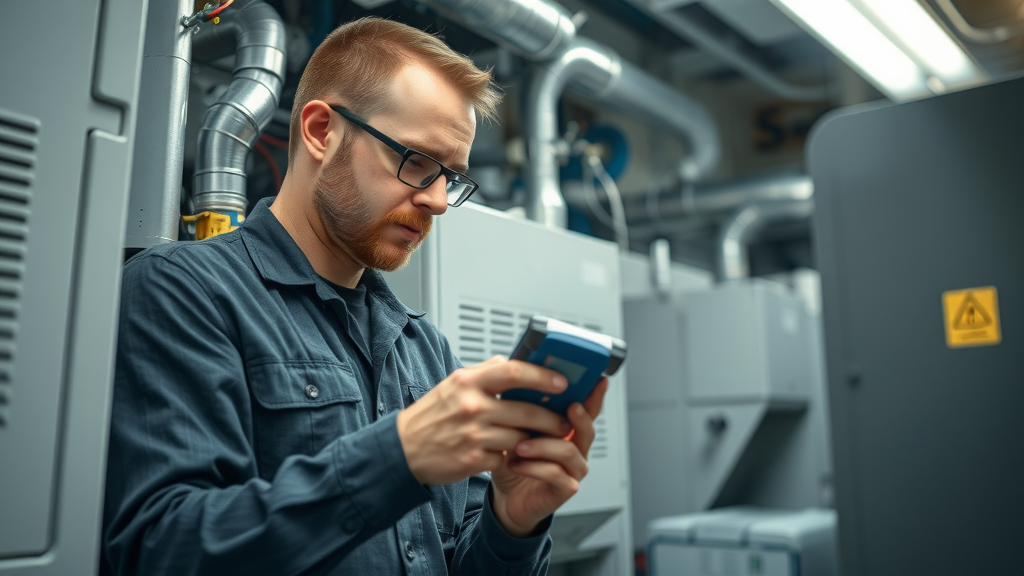
If you want to know what's changing in the world of home furnace inspection, ACHR News is the go-to resource for professionals and homeowners alike. Their recent blog posts have highlighted a number of key shifts in regulation and technology for 2025. The focus now is on smarter, safer, and greener solutions with an eye on global leader best practices. Reports highlight that improvements in pressure switch technologies have increased reliability and diagnostics for both residential and commercial HVAC systems. Gas furnace manufacturers are also integrating more advanced sensors and connectivity options, helping reduce unexpected breakdowns and manage energy consumption more precisely.
For homeowners, this means your usual inspection checklist is expanding. Certified HVAC professionals now check for more than just ignition issues or airflow blockages—they use digital tools to assess pressure switch calibration, compatibility with carbon monoxide detectors, and potential for upgrading to hybrid or low-emission systems. Keeping your inspection process aligned with ACHR News guidelines means peace of mind and compliance, especially as cities adopt tougher energy and safety standards.
Recent Developments in Pressure Switch Technology for Home Furnace Inspection
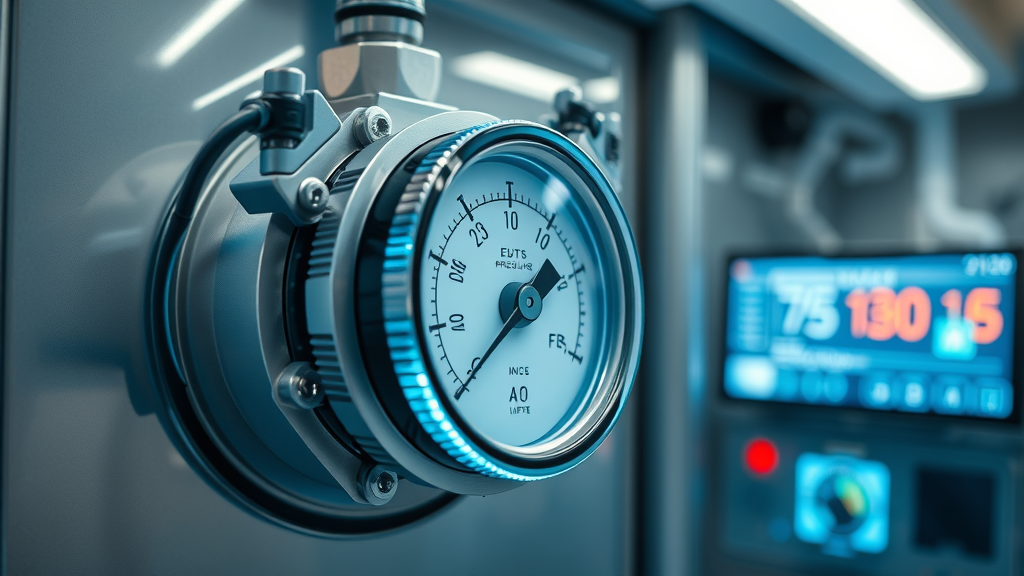
Pressure switches are now front-and-center in every thorough home furnace inspection. Once a simple mechanical device, today’s pressure switch technology leverages embedded sensors and wireless diagnostics. According to ACHR News and leading HVAC professionals, the most reputable brands have shifted to easy-replacement modules that offer error code monitoring and can even be integrated with smart home ecosystems. This makes it easier for inspectors and homeowners to identify and fix issues before they escalate.
For you, this innovation means greater safety—early warnings on failing switches reduce the risk of carbon monoxide leaks and system shutdowns. They also support energy-saving efforts by keeping your gas furnace running within optimal parameters, reducing both wear and energy consumption. By learning about the latest advancements, you make sure your 2025 furnace inspection is future-proof and fully leverages industry best practices.
- Enhanced reliability
- More precise diagnostics
- Easy replacement
- Integration with smart home systems
HVAC Professional Perspectives: How HVAC Professionals Approach Home Furnace Inspection
True peace of mind comes from hiring skilled HVAC professionals for your annual home furnace inspection. These experts don’t just follow a checklist—they bring a depth of experience, up-to-the-minute knowledge from ACHR News, and insight into the latest HVAC industry innovations. From examining pressure switches and carbon monoxide detectors to evaluating the compatibility of hybrid and smart systems, the process has grown more sophisticated. HVAC professionals can recommend when to replace an air filter, which smart sensors to upgrade, or even how to optimize your HVAC system for peak safety and efficiency.
Perhaps the most valuable advice from these experts? Don’t wait until signs of trouble. Regular inspection ahead of the peak season keeps small issues from becoming major breakdowns. They’ll also guide you on the latest trends, such as integrating AI analytics, ensuring your gas furnace operates with optimal energy consumption, and applying modern infrastructure upgrades for both residential and commercial HVAC settings. Genuine heating solutions customized for your unique needs set you apart from homeowners who rely on luck alone.
What Do HVAC Professionals Recommend for Effective Home Furnace Inspection?
HVAC professionals consistently recommend the following checklist for your August inspection:
- Full system diagnostics for the gas furnace and related HVAC components
- Detailed examination of pressure switches, including calibration and sensor accuracy
- Air filter replacement to ensure clean airflow and lower energy bills
- Verification of carbon monoxide detector placement and battery life
- Evaluation of smart home integration options for remote alerts and diagnostics
- Assessment of thermal concepts, such as hybrid systems or eco-friendly upgrades
Watch: Top Home Furnace Inspection Tips from Leading HVAC Professionals
The Intersection of Air Conditioning, Home Service, and Home Furnace Inspection
Did you know your air conditioning and heating systems increasingly share smart controls and service appointments? As home service providers shift to integrated solutions, many now recommend synchronized inspection and tuning of air conditioning and furnace equipment before peak season begins. This trend, highlighted in both recent ACHR News blog posts and global leader statements in the HVAC industry, saves time and streamlines maintenance—crucial as more homes install hybrid or smart HVAC systems. A complete evaluation reduces the risk of cascading failures and lets you keep both heating and cooling systems running smoothly, safely, and efficiently.
Consulting an HVAC professional who understands this overlap gives you tailored recommendations: Is your air conditioning system due for a coil cleaning? Do your pressure switches communicate with your home automation app? Is your carbon monoxide detector smart enough to alert you on your phone? These are just a few ways modern home service appointments add value, making them an essential part of your August furnace inspection routine.
Is Your Home Service Provider Updating Air Conditioning and Furnace Inspection Together?
Many reputable home service providers are moving toward “whole home” inspection models, where air conditioning checks, furnace diagnostics, and even carbon monoxide safety reviews are bundled. This ensures each component of your hvac system works in harmony and reduces the chance of overlooked issues. The best providers use digital records, analyze performance with advanced management technology, and schedule follow-ups for both cooling and heating—keeping you a step ahead of peak season rushes and costly repairs.
If your provider hasn’t suggested combining these services, ask about it! A comprehensive assessment in August covers everything from refrigerant levels and blower calibration to pressure switch testing and air filter changes. With new ACHR News guidelines emphasizing home integration and genuine heating solutions, unified home service is the winning choice for busy homeowners who expect more reliability and less downtime.
| Feature | Standard Inspection (Spring/Summer) | Peak Season Inspection (August/September) |
|---|---|---|
| Scheduling Wait Time | 1-2 days | Up to 2 weeks |
| Scope of Diagnostics | Basic safety & operation | Full system scan, pressure switch, CO check, air filter |
| System Integration Review | Optional | Included |
| Smart Home Compatibility | Rarely checked | Routinely included |
| Cost | $$ | $$$ (slightly higher, more comprehensive) |
| Advance Upgrades Offered | Limited | Strongly recommended (thermal concepts, new sensors) |
Thermal Concepts: Innovations Impacting Home Furnace Inspection in 2025
Sustainability and smart energy use are at the heart of emerging thermal concepts in the HVAC field. In 2025, low-emission heating options, advanced pressure switch modules, and remote monitoring have shifted home furnace inspection to center stage as a tool for both savings and safety. Today’s ACHR News blog posts frequently cite hybrid HVAC systems that balance gas, electric, and renewable energy sources—signaling a move from old-fashioned furnaces toward smart, integrated infrastructures.
Homeowners benefit from these innovations with longer-lasting equipment, lower utility bills, and dramatically reduced carbon monoxide risk. Eco-friendly upgrades and real-time diagnostics (supported by genuine heating global leader brands) are more accessible than ever. By working with knowledgeable HVAC professionals, you can adapt the latest management technology to your home, achieving both safety and peace of mind for your family.
New Eco-Friendly Solutions for Home Furnace Inspection and Air Conditioning
Going green is no longer a niche—thermal concepts in 2025 include:
- Low-emission systems
- Smart sensor integration
- Hybrid HVAC solutions
"Homeowners who ignore the latest thermal concepts risk higher bills and bigger problems. Stay current, stay safe."

People Also Ask About Home Furnace Inspection
Why is home furnace inspection crucial before winter?
Timely home furnace inspection ensures reliability, efficiency, and reduces the risk of breakdown when you need heating most.
If you wait until the first snow, it might be too late to prevent major issues. Home furnace inspection identifies and resolves problems like air flow blockages, faulty pressure switches, or expired carbon monoxide detectors in advance. This means you’re less likely to face emergency repairs or suffer from cold nights—a crucial safeguard for families and homes relying on gas furnaces, hybrid HVAC systems, or any modern heating infrastructure.

How often should I schedule a home furnace inspection?
Experts recommend a comprehensive home furnace inspection annually, ideally at the end of summer ahead of peak season.
Yearly inspections are endorsed by HVAC professionals, ACHR News, and most global leaders in the heating industry. Completing a check every August or early September prepares your system for high performance throughout winter, keeps your warranty valid, and helps you stay ahead on innovations like pressure switch upgrades or smart carbon monoxide detectors. Annual reviews also let you take advantage of the latest blog post tips and home service offers without the stress of peak season scheduling bottlenecks.
FAQs: Home Furnace Inspection for Homeowners
-
What does a home furnace inspection include?
A home furnace inspection reviews system safety, checks pressure switches and carbon monoxide detectors, confirms air filter health, examines combustion and ventilation, and tests for energy-efficient operation. The best inspections look at system integration and smart home compatibility, too. -
How can I tell if my furnace needs inspection?
Watch for signs like odd smells, loud noises, inconsistent heating, higher utility bills, or frequent cycling. If a carbon monoxide detector sounds an alarm or your smart home app reports a fault in the HVAC system, call a professional right away. -
Does insurance cover home furnace inspection?
Most standard homeowners insurance does not cover routine inspections, but breakdowns from lack of inspection can void warranty claims. Some advanced policies or home service agreements may bundle inspection costs, especially if carbon monoxide issues or modern infrastructure upgrades are a concern.
Key Takeaways: Why Home Furnace Inspection August 2025 Matters
- Ensures safety before peak usage
- Reduces chances of costly repairs in winter
- Aligns with innovations highlighted in ACHR News
- Leverages expertise from HVAC professionals
Expert Opinions: Leading HVAC Professionals on Home Furnace Inspection Trends

Conclusion: Don’t Overlook Home Furnace Inspection This August
Take Control—Stay Ahead With Timely Home Furnace Inspection in 2025
Be proactive: schedule your August home furnace inspection today to safeguard comfort, lower bills, and enjoy peace of mind all winter. Partner with trusted HVAC professionals and take advantage of the latest ACHR News updates and smart heating innovations.


Write A Comment