


Did you know: Recent studies show that over 65% of furnace breakdowns in winter could have been prevented by an annual furnace inspection. That’s not just a number—it’s the difference between a warm, safe home and an urgent midnight call to the HVAC professional because of a failed heating system. As we approach August 2025, sweeping updates in professional furnace inspection requirements and new safety standards are changing how every homeowner should approach furnace care. This article breaks down what’s new, what matters, and—most importantly—what you need to do to keep your family safe and your energy bills under control.

Why Professional Furnace Inspection is More Critical Than Ever in 2025
In 2025, the landscape of home heating and maintenance is changing faster than ever before. For homeowners, understanding the rising importance of a professional furnace inspection is essential if you want to stay ahead of costly repairs, ensure compliance with new regional and national rules, and—most crucially—protect your family against hidden dangers like carbon monoxide. Major problems are often lurking out of sight, ready to cripple your heating system at the worst times. Furnace inspections aren’t just routine anymore; they’re required, detailed, and more comprehensive due to the risks associated with modern gas appliances, stricter safety documentation, and evolving HVAC system technologies.
The reasons to schedule an annual furnace inspection extend far beyond a checkbox on your home maintenance list. There are growing concerns about carbon monoxide leaks, which means stricter requirements for carbon monoxide detectors and frequent documentation of gas leaks, electrical connections, and air filter condition. Furnace inspections help you comply with new regulations, identify costly potential issues early, and prolong the life of both your furnace and any connected air conditioner or AC system. Remember: a single missed routine inspection could cost you not only in higher energy bills but also in the comfort and safety of your home.
"Recent studies show that over 65% of furnace breakdowns in winter could have been prevented by an annual furnace inspection."
- Rising concerns over carbon monoxide leaks
- Obligations for annual furnace inspection compliance
- Impact of new 2025 furnace inspection regulations
What You'll Learn About Professional Furnace Inspection
Navigating the updated expectations for professional furnace inspection in 2025 is much easier when you know what to look for, what questions to ask, and what benefits truly matter. This article draws on expertise from top HVAC professionals, updated consumer safety data, and firsthand experiences from homeowners who’ve faced the stress of unexpected furnace failures.
- Key benefits of regular furnace inspections
- Expert tips from HVAC professionals
- How to identify potential issues with your system early
Understanding Annual Furnace Inspection: The Author’s Take
Exploring Annual Furnace: Why Regular Checks by HVAC Professionals Matter
There’s a reason homeowners and building managers are prioritizing their annual furnace inspection now more than ever. HVAC professionals agree: a once-a-year, professional review is your best defense against unexpected breakdowns, expensive repair bills, and even hazardous situations like gas leaks and carbon monoxide exposure. During these scheduled checks, technicians thoroughly inspect the gas furnace and all related hvac system components, catching minor wear before it spirals into a major problem.
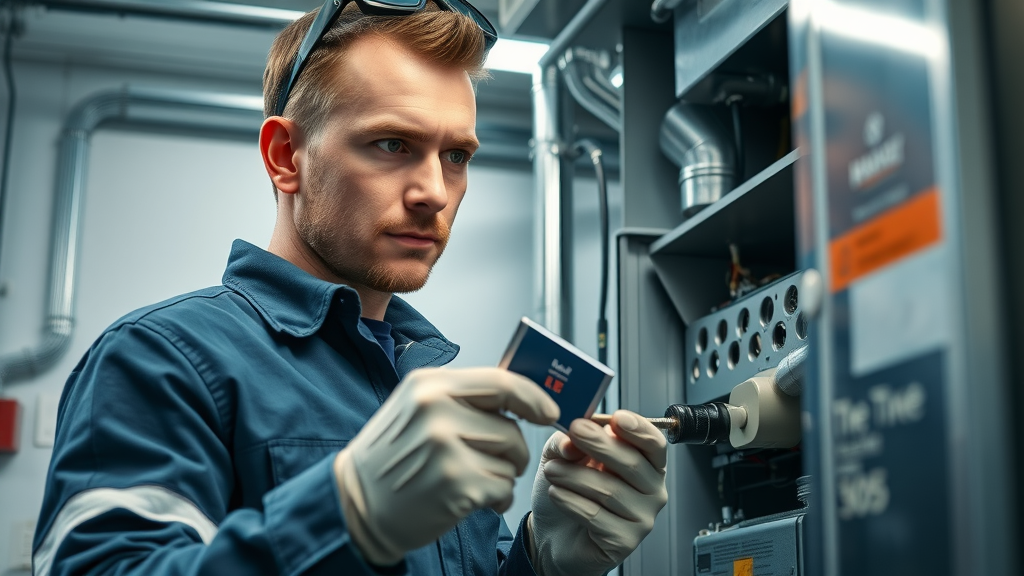
Annual furnace inspections are not just about compliance with regulations—it’s about peace of mind, clean air, and continued comfort throughout the winter months. Neglecting your annual furnace can lead to higher energy consumption, worn-out blower motors, and clogged air filters that degrade both your furnace and connected air conditioning systems. With a single visit, skilled HVAC professionals identify potential issues such as loose electrical connections or an underperforming heat exchanger, all of which can pose major hazards if left unaddressed. There’s simply no substitute for an annual review by someone trained to spot the early warning signs.
Furnace Inspections: A Personal Perspective on Costs vs. Value
From a homeowner’s perspective, the cost of a professional furnace inspection might seem like just another routine bill—until you weigh it against the potential costs of emergency repairs, high energy bills, or the unthinkable risk of carbon monoxide poisoning. Investing in annual furnace inspections is about seeing the bigger picture: a modest investment now safeguards against much greater—and potentially dangerous—expenses in the future. HVAC professionals can often spot minor issues, like a dirty air filter or worn blower motor belt, before these escalate into a critical system failure requiring an expensive repair.
"Investing in professional furnace inspection is investing in your home’s safety and efficiency."
It’s a bit like choosing to have your car serviced regularly instead of waiting for a breakdown. With regular, professional oversight, you can extend the operational life of your entire hvac system and maintain cleaner indoor air, better energy efficiency, and peace of mind. In an age where HVAC system costs and energy bills are rising, a proactive, professional approach to furnace care is more valuable than ever.
Key Components of a Professional Furnace Inspection
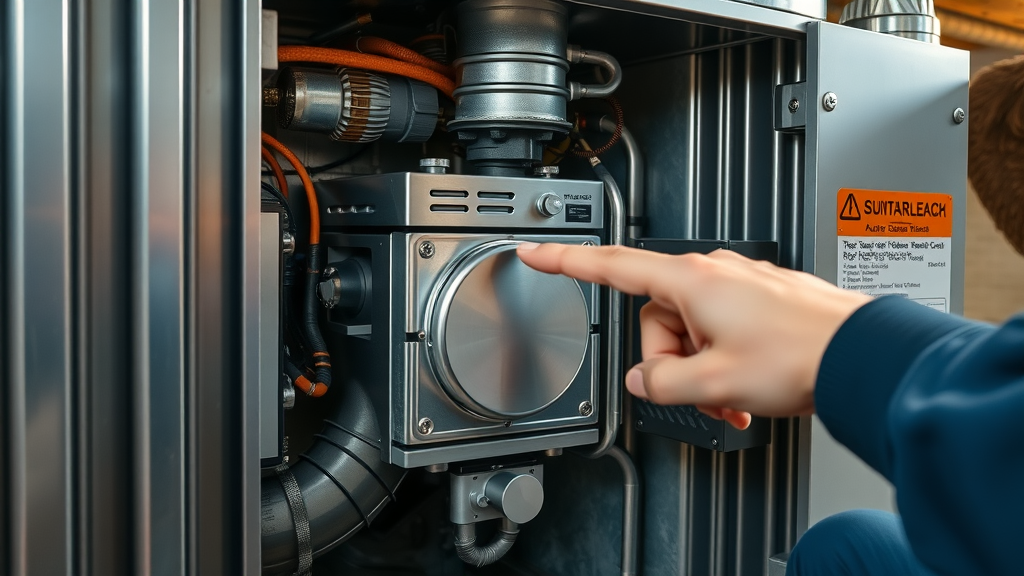
Understanding what a professional furnace inspection includes empowers you to make smarter choices about your home’s safety and efficiency. Each year, HVAC professionals go through a checklist designed to catch everything from gas leaks to worn blower motors, so you don’t have to worry when the first cold snap hits. The best inspections also document the current condition of your air filter, look for blockages, check for aging electrical connections, test for carbon monoxide, and verify the performance of any AC system tied to the furnace.
A high-quality inspection isn’t just about a visual review—it’s a systematic process involving hands-on testing, use of carbon monoxide detectors, and measurement of airflow through both the furnace and connected air conditioning components. The result? A comprehensive snapshot of your system’s health that catches small issues before they become major problems.
Gas Leaks, Carbon Monoxide, and Safety Checks
Gas leaks and carbon monoxide issues are among the most pressing dangers associated with aging heating systems. During a professional furnace inspection, special attention is given to gas line integrity and the presence of carbon monoxide, using high-grade detectors and diagnostic tools. Carbon monoxide detectors are tested to ensure they function properly, providing a vital early-warning system against this colorless, odorless threat.
Routine inspection means these safety checks are performed with the homeowner’s wellbeing front and center. HVAC professionals look for telltale signs of gas leaks that could compromise your entire heating system or ac system. Proper documentation is required under 2025’s strict safety standards, and every safety device, from carbon monoxide alarms to emergency shutoff valves, must be tested and certified in working order.
Role of Air Filter and Blower Motor in Furnace Functionality
Neglecting your air filter or blower motor can seriously compromise the efficiency of your heating system. During a furnace inspection, HVAC professionals focus on whether your air filter is clogged with dust or debris, as this restricts airflow to both your furnace and air conditioner, resulting in poor indoor air quality and higher energy bills. Clean air filters mean less wear and tear on delicate system components, keeping your heating and cooling balanced and reliable.
Meanwhile, the blower motor is the workhorse that pushes air through your home. During inspection, technicians check for proper lubrication, signs of overheating, frayed wires, and unusual vibrations or sounds. If left unchecked, a failing blower motor can increase energy consumption, limit heat distribution, and cause uncomfortable hot or cold spots throughout your house. By focusing on these two components, HVAC professionals help you avoid costly breakdowns and extend the life of your HVAC system.
Annual Furnace Inspection and Electrical Connections—What Matters Most?
Electrical connections can be a “hidden” risk in many heating systems, with corrosion or loose wires capable of sparking expensive repair jobs or system shutdowns. When you schedule your annual furnace inspection, certified professionals examine all major electrical connections for tightness, corrosion, and signs of excessive heat or wear.
These checks aren’t limited just to the furnace’s internal workings—the technician also assesses how your furnace interacts with any connected AC system, monitoring for electrical overloads or points where aging components could cause larger system failures. With fresh regulations making documentation a requirement, every connection, sensor, and wire is now tracked more closely than ever, ensuring your home meets both safety and efficiency standards year-round.
| Component | What it’s Checked For | Age of Importance |
|---|---|---|
| Gas Leaks | Signs of leakage/damage | Year-round |
| Carbon Monoxide | Levels, alarms | Winter peak |
| Air Filter | Dust, blockage | Every 3 months |
| Blower Motor | Lubrication, wear | Annual |
| Electrical Connections | Tightness, corrosion | Annual |
Potential Issues Unearthed During Furnace Inspections: Firsthand Experiences
No two furnace inspections are the same, but experienced HVAC professionals have seen a familiar pattern of potential issues arise, often hidden until a professional takes a closer look. Homeowners may not realize there are slow gas leaks, dangerous carbon monoxide build-up, or electrical connections starting to degrade behind the scenes. Air filters often go season after season without replacement, causing both heating and air conditioner units to lose efficiency and strain to keep up. Left unchecked, these problems can lead to emergency shutdowns, higher costs, and even hazardous conditions for your family.
In real-life inspection scenarios, HVAC professionals often encounter worn blower motors barely pushing air, corroded electrical contacts poised to trip circuit breakers, and hidden gas leaks that could escalate into major safety nightmares. Addressing these early, during a routine inspection, avoids much more expensive repairs later on—and can literally save lives.
- Unnoticed gas leaks
- Hazardous carbon monoxide accumulation
- Faulty blower motor operation
- Aging electrical connections
- Clogged air filter affecting air conditioner unit
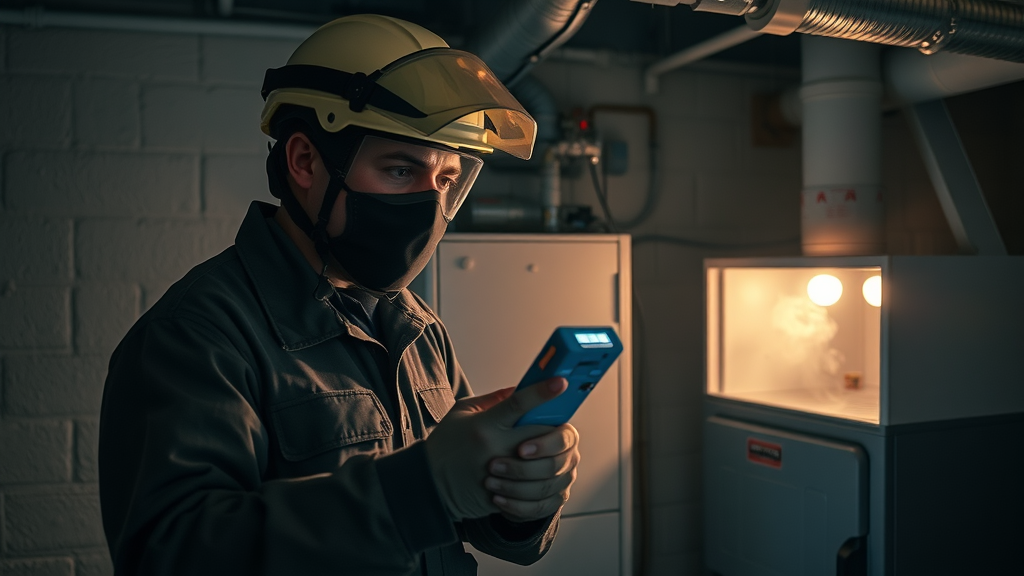
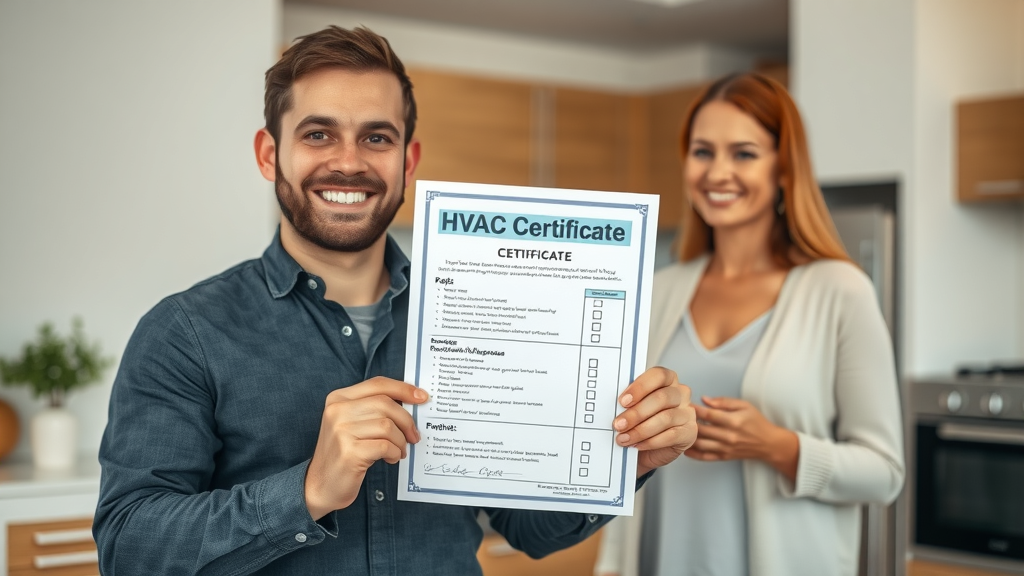
For added peace of mind, many professionals now offer detailed reports after every inspection—something you’ll want to keep for both insurance purposes and compliance with 2025’s strict documentation requirements.
People Also Ask: What are the new furnace rules for 2025?
Answer: In August 2025, updated furnace inspection regulations will require annual furnace inspections, stricter monitoring for carbon monoxide, and enhanced documentation by HVAC professionals. These rules are designed to improve residential safety and energy efficiency.
The new mandates place extra emphasis on regular, professional oversight of each major hvac system component, with special attention paid to the effectiveness of your home’s carbon monoxide detector, air filter replacement schedules, and the safety of gas appliances. All households must now keep official documentation on every professional furnace inspection, and homeowners with old furnaces, connected air conditioners, or non-updated wiring will be especially affected. Compliance will not only improve home safety, but also streamline insurance claims and potential home sales.
People Also Ask: Are furnace prices increasing in 2025?
Answer: Yes, furnace prices are projected to increase in 2025 due to supply chain changes and stricter manufacturing standards. This trend highlights the value of maintaining existing units through regular professional furnace inspections.
As the costs of replacing major heating system components rise, savvy homeowners and building managers are spending a bit more up front for thorough annual furnace inspections. This not only prolongs the life of existing systems, but also provides leverage if replacements or insurance claims become necessary. Investing in routine inspections today can save you hundreds—sometimes thousands—over the life of your furnace and attached air conditioner system.
FAQs About Professional Furnace Inspection in 2025

-
Why should I trust an HVAC professional for annual furnace inspection?
Certified HVAC professionals have the training, experience, and technical tools to spot hidden problems—like early-stage gas leaks, faulty electrical connections, or aging air filters—that a visual homeowner check would likely miss. Their inspections meet the regulatory requirements and provide peace of mind. -
What specific issues are found during furnace inspections?
Common findings include loose or corroded electrical connections, worn blower motor components, unsafe carbon monoxide levels, and air filter blockages that affect your whole hvac system and air conditioning performance. Issues with the heat exchanger or connected gas appliances are also common. -
How can professional furnace inspection prevent potential problems?
Early detection of issues—like minor gas leaks, dust-clogged air filters, or improperly sealed electrical connections—allows you to make small, cost-effective repairs rather than dealing with expensive system failures, hazardous gas, or carbon monoxide threats later. -
Do new rules apply if I have an older air conditioner connected to my furnace?
Yes—2025’s guidelines apply to all HVAC systems, including those with older air conditioners or AC systems attached to modern or older furnaces. Annual inspections must cover these integrated systems and ensure the units function together safely and efficiently.
Key Takeaways: Professional Furnace Inspection in 2025
- Professional furnace inspection is indispensable for home safety and efficiency in 2025.
- Carbon monoxide, gas leaks, and worn electrical connections can be caught early with regular checks.
- Annual furnace inspection by HVAC professionals is now a regulatory requirement.
Conclusion: The Importance of Staying Ahead with Professional Furnace Inspection
"In a world of shifting regulations, keeping your furnace inspected professionally isn’t just wise—it’s essential."
- Schedule your annual furnace inspection today
- Consult with certified HVAC professionals for up-to-date advice
- Protect your investment and your family’s comfort
Regular professional furnace inspections are essential for maintaining your heating system’s efficiency and safety. The article “Guide to Annual Furnace Maintenance, Service & Inspection” by Carrier provides comprehensive insights into the importance of routine furnace maintenance, detailing key signs that indicate the need for a tune-up and outlining the benefits of regular inspections. (carrier.com)
Additionally, “Preparing for a Furnace Inspection: Essential Steps & Tips” by Efficiency Heating & Cooling offers practical advice on how homeowners can prepare for a furnace inspection, ensuring a thorough and effective evaluation of their heating system. (eheatcool.com)
If you’re serious about maintaining a safe and efficient heating system, these resources will provide you with valuable information and actionable steps to achieve that goal.


Write A Comment