


Startling Fact: Did you know nearly 30% of U.S. residential energy bills stem from inefficient heating systems? As 2025 approaches, the landscape of home heating is undergoing a seismic shift—spurred by new regulations, innovative HVAC system technologies, and a critical focus on environmental protection. If you own a furnace—or simply care about your energy bills and a greener footprint—now is the moment to pay attention. This article delivers the essential news, industry opinions, and actionable advice to help you navigate the rapidly changing world of energy efficiency furnace checks.
- Startling Fact: 'Did you know nearly 30% of U.S. residential energy bills are due to inefficient heating systems?'

Why Energy Efficiency Furnace Check Matters in 2025
The main keyword—energy efficiency furnace check—anchors the conversation about smart and responsible home ownership in 2025. With the rising cost of energy and an ambitious climate agenda, it’s crucial to monitor and maintain the systems that power your home. From lowering your monthly energy bill to keeping your HVAC system running smoothly, a routine furnace check ensures compliance with the latest environmental regulations while securing your year-round comfort. Plus, with new efficiency standards and regulations impacting nearly every HVAC system in American homes, understanding what’s changing is more important than ever.
For homeowners, being proactive isn’t just wise—it’s financially smart. The ac industry agrees that upgrades and regular checks deliver energy savings far beyond the cost of basic maintenance. In fact, skipping this annual service can lead to inefficiencies that drive up your costs, shorten the lifespan of your HVAC equipment, and expose you to regulatory noncompliance. If you want to reduce energy consumption, lower your energy bills, and contribute to environmental protection, prioritizing an energy efficiency furnace check is a must in 2025.
The Growing Impact of Energy Efficiency Furnace Check on Energy Bills
A well-maintained HVAC system is no longer just a nice-to-have; it’s a financial imperative. By optimizing your energy efficiency furnace check schedule, you directly tackle one of the biggest contributors to household expenses—your energy bill. Recent studies reveal that inefficient heating and cooling account for up to 30% of energy wastage in U.S. homes. That’s not just a drain on your wallet but a red flag for overall household efficiency. Regular checks improve system performance, reduce strain during peak heating season, and can keep monthly bills in check—even as energy prices climb.
Many modern solutions, such as programmable smart thermostats and advanced HVAC tune-ups, fine-tune your systems to deliver consistent warmth without burning unnecessary fuel. Homeowners who schedule regular energy efficiency furnace checks often see a 10–20% reduction in energy bills compared to those who don’t. And with new rebates and incentives tied to 2025’s stricter standards, these checks could help you save even more over the long term.
How Energy Efficiency Furnace Check Affects Your HVAC System
An energy efficiency furnace check is about more than compliance—it’s about optimizing the performance and extending the life of your entire hvac system. By inspecting burners, heat exchangers, blowers, and ductwork, professionals can prevent small issues from escalating into expensive repairs. A well-tuned system doesn’t just use less energy; it also distributes heat more evenly and responds smarter to your thermostat settings—especially when paired with a smart thermostat.
The benefits also reach other critical components, including air conditioning units. Many problems found during heating system checks, such as clogged filters or worn fans, disrupt cooling performance when seasons change. HVAC systems are interconnected; a neglected furnace can stress your air conditioning in summer, leading to reduced energy efficiency and higher bills all year long. In 2025, multi-system efficiency will be central to a home’s cost performance and eco-impact.
The Role of Furnace Maintenance in Reducing Environmental Impact
Proper furnace maintenance is a direct line to lowering your household’s environmental impact. By prioritizing your annual energy efficiency furnace check, you’re not only reducing greenhouse gas emissions but also positioning yourself to benefit from the industry’s shift toward environmentally friendly refrigerants and improved energy saving technologies. According to the Environmental Protection Agency, residential heating accounts for nearly 10% of the nation’s greenhouse gas emissions—primarily from inefficient or outdated HVAC systems.
Making your furnace more efficient means slashing unnecessary fuel consumption and minimizing environmental harm. New regulations are pushing HVAC companies to adopt environmentally friendly refrigerants with lower global warming potential, while regular maintenance keeps systems clean, tuned, and less polluting. In 2025, an energy efficiency furnace check is far more than a service call—it’s a commitment to environmental protection and responsible homeownership.
What You’ll Learn in This Energy Efficiency Furnace Check Guide
- How 2025 regulations may impact your furnace choices
- Ways an energy efficiency furnace check saves you money
- Expert insights and opinions on the future of HVAC systems and energy-saving technologies
This guide is designed to answer the big questions on everyone’s mind: Should you upgrade? What should you expect from new rules? How much could you save on your energy bill? And how do these changes advance environmental protection? Every section is packed with helpful lists, tables, expert quotes, and easy-to-follow advice for 2025 and beyond.
The 2025 HVAC System Regulatory Shift: Understanding New Furnace Rules
| Year | Minimum AFUE for Gas Furnaces | Mandatory Refrigerant Type | SEER Rating for HVAC Systems | Emission Controls |
|---|---|---|---|---|
| 2024 | 80% | R-410A (older refrigerant) | SEER 13–14 | Standard requirements |
| 2025 | 95%+ | Environmentally friendly refrigerants (low GWP) | SEER 15–16+ | Tighter emission thresholds, advanced monitoring |
New Furnace Rules for 2025: What Homeowners Need to Know
Starting January 2025, a sweeping set of new regulations will alter the landscape for every hvac system and furnace installed in the U.S. Homeowners need to understand that defaulting to the “cheapest” unit or skipping annual energy efficiency furnace checks could spell hefty energy bills and even legal headaches. The latest rules bump up the minimum Annual Fuel Utilization Efficiency (AFUE) for gas furnaces—meaning only high-efficiency models can be sold and installed. Additionally, only environmentally friendly refrigerants with lower global warming potential (GWP) can be legally used in new hvac equipment.
Stricter SEER (Seasonal Energy Efficiency Ratio) standards are also being enforced for all air conditioning and heating units, making regular tune-ups and checks not just smart but necessary for compliance. The hvac industry expects higher upfront costs in 2025, but the payoff will come in the form of automatic energy saving, reduced emissions, and higher home resale value.
"The 2025 furnace regulations will dramatically change how we think about home heating.” — Leading HVAC Industry Analyst
Role of Environmentally Friendly Refrigerants in Air Conditioning and Furnaces
The ac industry is rapidly moving away from high global warming potential refrigerants like R-410A and embracing innovative, environmentally friendly refrigerants with ultra-low impact. Not only do these refrigerants help reduce a home’s climate footprint, but they also make your HVAC equipment eligible for tax credits and incentives in 2025. During an energy efficiency furnace check, certified technicians can determine if your system uses outdated refrigerants and advise you on the smartest upgrade routes.
This shift is not just about compliance—it’s about future-proofing your heating and cooling setup against fast-evolving regulations. Combined with routine maintenance, eco-friendly refrigerants help your unit run cooler and longer, supporting both wallet and planet. As these environmentally conscious standards become the new normal, consumers in 2025 can expect a host of more efficient hvac models on the market, bolstered by rebates, grants, and growing public demand for cleaner, greener technology.

Opinion: Should You Prioritize Your Energy Efficiency Furnace Check Now?
The choice to prioritize your energy efficiency furnace check is more urgent—and more valuable—than ever. While some view maintenance as an avoidable cost, the reality in 2025 is that proactive tune-ups are the key to unlocking serious energy saving, safer operation, and long-term peace of mind. Failure to act can lead to compounding repairs, excessive energy bills, higher carbon footprint, and the risk of falling afoul of new HVAC industry laws. My opinion: Schedule your check as soon as possible to future-proof your comfort and finances.
By investing in regular checks, you will not only comply with the latest energy efficiency standards but will also benefit from early access to utility incentives, lower repair costs, and a home that is better insulated from market volatility in furnace prices. The bottom line: Whether your unit is brand new or several years old, prioritizing a furnace check is a smart and proactive step toward a responsible 2025.
Personal Insights: Proactive Maintenance vs. Reactive Repairs
In my years following the hvac industry, I’ve seen homeowners save thousands through simple, timely hvac tune-ups. Being proactive with an energy efficiency furnace check catches minor faults—like dirty burners, worn belts, or inefficient fans—before they become major breakdowns demanding big repair bills. It also means your furnace runs cleaner and more reliably, especially when paired with cutting-edge smart thermostats or upgraded air filtration. Reactive repairs, in contrast, are always more expensive. They catch you off-guard, often during extreme weather when technicians are booked solid, and rarely come with any energy savings.
Proactive maintenance is like an insurance policy for your comfort, wallet, and the environment. Besides lowering the frequency of emergency calls, it keeps your furnace warranty valid and maximizes the system’s lifespan. In a tightening regulatory environment, this approach helps you stay ahead of compliance while protecting your household’s bottom line.
Financial Arguments: Lowering Your Energy Bills with Regular Furnace Checks
When considering financial benefits, regular energy efficiency furnace checks offer perhaps the best ROI available to homeowners in 2025. Utility companies and the Environmental Protection Agency list annual furnace maintenance as an essential tool to reduce energy use. The numbers speak for themselves: Well-maintained furnaces routinely slash yearly energy bills by as much as 15–20%. That’s hundreds of dollars back in your pocket every winter heating season.
Factor in available rebates for high-efficiency units and the new costs for non-compliance under 2025’s furnace rules, and the savings multiply. Upgrading to a modern system, or keeping existing systems in top shape with regular checks, often pays for itself in just a few years. Don’t let small inefficiencies nickel and dime you—commit to smart, regular maintenance and reap the rewards for years to come.
- Top 5 Most Common Issues Found During an Energy Efficiency Furnace Check in 2025:
- Dirty or clogged air filters reducing airflow and efficiency
- Cracked heat exchangers risking safety and performance
- Malfunctioning thermostats or outdated smart thermostat software
- Faulty ignition or pilot systems causing inconsistent heating
- Inefficient blower motors increasing energy consumption
Are Energy Efficiency Furnace Check Upgrades Worth the Cost in 2025?
| Service Frequency | Estimated Annual Energy Bill | Average Annual Savings (%) |
|---|---|---|
| No Maintenance | $1,800 | 0% |
| Basic DIY | $1,620 | 10% |
| Annual Professional Check | $1,440 | 20% |
| Full Upgrade + Maintenance | $1,350 | 25% |
Return on Investment: Comparing Furnace Upgrades vs. Standard Maintenance
Choosing between a full furnace upgrade and routine maintenance hinges on several factors: age of your existing unit, efficiency gaps, and the new 2025 regulations. Minor maintenance is less expensive upfront, but as energy standards and utility costs rise, inefficient systems quickly become a financial liability. Upgraded units—especially those with 95%+ AFUE ratings—can deliver an ROI of 5–7 years thanks to sharply reduced energy bills and utility incentives.
Yet even if you delay replacement, professional energy efficiency furnace checks remain one of the best values in homeownership—offering immediate savings, greater comfort, and ongoing compliance. For many, a phased approach (annual maintenance now, replacement later) balances budget with tangible energy savings.
Expert Quote: 'Energy saving through efficient checks is essential as energy bills rise.'
As one HVAC professional puts it: “Energy saving through efficient checks is essential as energy bills rise.” It’s a powerful reminder that the cost of waiting—to either fix or upgrade—only grows as new standards take effect and supply chain pressures hit the HVAC industry.
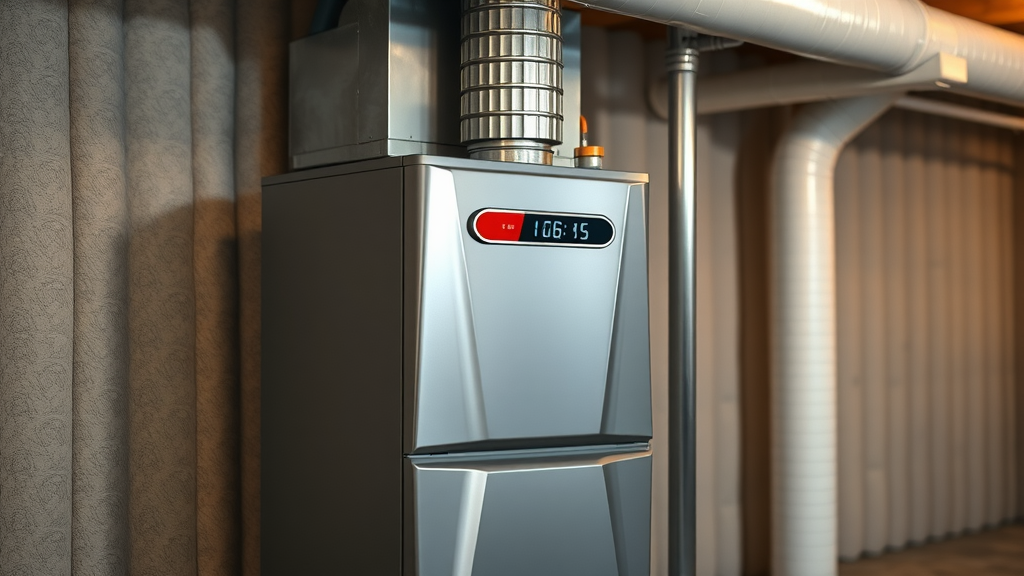
The Intersection of Energy Efficiency, HVAC Tune, and Air Conditioning Systems
Modern hvac systems are unified ecosystems: a smart furnace check often improves winter comfort while positively impacting your air conditioning performance in summer. An hvac tune catches inefficiencies in both heating and cooling, preventing system overwork and excess energy use. For homes with heat pumps or advanced heat recovery, technicians now perform dual-purpose checks to ensure year-round efficiency.
In 2025, HVAC tunes are an essential backbone of responsible home maintenance. Combined with smart thermostat monitoring and environmentally friendly refrigerants, these professional services let you maximize energy savings while extending equipment lifespans—all in compliance with updated rules.
How HVAC Tune-Ups Enhance Overall Energy Efficiency Furnace Check Results
Investing in a professional hvac tune-up delivers substantial benefits by refining the results of every energy efficiency furnace check. Regular tune-ups not only address heating but also fine-tune cooling systems, leading to balanced temperature regulation and lower utility bills. By calibrating both systems, technicians identify air flow blockages, dirty coils, and incorrect refrigerant levels, issues that undermine efficiency across both heating and cooling cycles.
These dual-service appointments use diagnostic tools to spot small energy-saving opportunities—adjusting airflow, optimizing fan speed, and integrating advanced smart thermostats for more intelligent scheduling. For systems with heat pumps, a tune-up ensures smooth operation as the unit switches modes between seasons. Ultimately, an HVAC tune paired with an energy efficiency furnace check yields lower energy bills, improved comfort, and peace of mind that your household is operating at peak efficiency.
The Connection Between Air Conditioning and Furnace Checks in Modern HVAC Systems
Modern hvac systems blur the line between heating and cooling—especially with the adoption of integrated smart controls and variable-speed blowers. Through routine energy efficiency furnace checks, technicians address problems that commonly affect both components—clogged filters, leaky ducts, and outdated control modules—that can reduce efficiency in either mode.
This approach is vital for anyone seeking maximum energy saving from a new furnace or air conditioning upgrade. When your systems are maintained in tandem, each boosts the performance of the other; their synergy is often the best way to minimize greenhouse gas emissions and save on monthly energy bills.
- Signs Your HVAC System Needs a Professional Checkup:
- Unexplained spikes in energy bills despite steady usage
- Uneven heating or cooling throughout your home
- Strange noises, odors, or reduced airflow from vents
- HVAC system struggles to maintain thermostat setpoint
- Equipment is more than 7–10 years old or hasn’t been serviced in a year
Environmental Benefits: Energy Efficiency Furnace Check as a Climate Solution
The global push to slow global warming and reduce greenhouse gas emissions has put household hvac systems under the spotlight. Scheduling your annual energy efficiency furnace check is a direct, actionable step you can take for a healthier climate. The right maintenance can cut your home’s emissions by 10–15% simply by improving fuel combustion, optimizing airflow, and checking for leaks of environmentally friendly refrigerants.
For environmentally conscious homeowners, this means that every maintenance call is also a climate action. As more homes switch to efficient hvac systems and routine checks, the collective reduction in energy consumption translates into measurable progress toward carbon reduction targets. In fact, the Environmental Protection Agency recognizes HVAC maintenance as one of the fastest, lowest-cost ways to reduce your residential environmental impact.
Reducing Emissions Through Energy Efficient HVAC Systems
An increasing portion of U.S. greenhouse gas emissions comes directly from inefficient heating and cooling. Transitioning to energy efficient hvac systems with routine checks immediately lowers your carbon footprint by eliminating unnecessary energy waste. Whether you’re operating a standard furnace or a cutting-edge heat pump, routine maintenance guarantees optimal combustion, fewer leaks, and remarkably lower emissions.
2025’s new rules add another incentive: Homes with certified high-efficiency furnaces or approved low-GWP refrigerants may “test out” of additional regulatory reporting, saving money and time. This further motivates homeowners to act early and maintain their systems well—reaping both financial and ecological benefits.
The Push for More Environmentally Friendly HVAC Industry Practices
The hvac industry faces mounting pressure from both regulators and consumers to offer environmentally friendly options for every household. New installer requirements, improved refrigerant handling, and a greater emphasis on energy recovery and smart automation define the HVAC market for 2025. Homeowners have more choices than ever for low-emission systems, and regular energy efficiency furnace checks keep them operating as intended.
As the ac industry shifts to sustainable service models, those who invest in routine HVAC maintenance are future-proofing their homes for stricter environmental protection standards. In 2025—unlike any previous year—compliance, cost, and climate impact all start with a simple furnace check.
2025 Market Shifts: How Energy Efficiency Furnace Check Influences Furnace Prices
With stricter standards comes an industry-wide adjustment in furnace pricing. Whether you’re buying, replacing, or just maintaining your current system, it’s crucial to recognize how the new energy efficiency furnace check emphasis is influencing costs across the market. As supply chains adapt to higher AFUE requirements, eco-friendly refrigerants, and smarter hvac systems, experts predict a rise in furnace prices for both consumers and contractors in 2025.
Still, these price hikes are often offset by the superior performance and longevity of compliant systems—alongside expanded rebates, incentives, and energy bill savings. Homeowners are advised to act fast: Schedule major upgrades or annual checks before industry backlogs drive costs even higher.
Are Furnace Prices Increasing in 2025?
Yes, most HVAC industry analysts confirm that furnace prices are rising in 2025. Factors include the switch to environmentally friendly refrigerants, mandatory high-efficiency models, and ongoing supply chain disruptions. While sticker shock is real, so are the rising costs of energy and emission penalties, making efficiency investments a long-term win.
"Supply chain pressures and regulation are pushing furnace prices up." — HVAC Industry Leader
How HVAC Industry Responds to Energy Efficiency Demands
The HVAC industry is pivoting sharply to meet skyrocketing demand for high-efficiency, environmentally friendly products. Manufacturers are ramping up production of smart furnaces, advanced heat pumps, and retrofitting options for legacy systems. Meanwhile, contractors are expanding their energy efficiency furnace check services to include comprehensive system audits and utility paperwork assistance.
On the customer side, greater awareness and regulatory incentives are fueling adoption. Those who schedule checks early in the season can often lock in lower prices and receive priority service, another reason to act quickly as the 2025 heating season approaches.
Watch: Short informational video on market trends in furnace pricing (2024 vs. 2025), key regulatory impacts, and interviews with HVAC professionals. (Check your favorite trusted HVAC informational site for expert video coverage.)
What is the Most Efficient Gas Furnace for 2025?
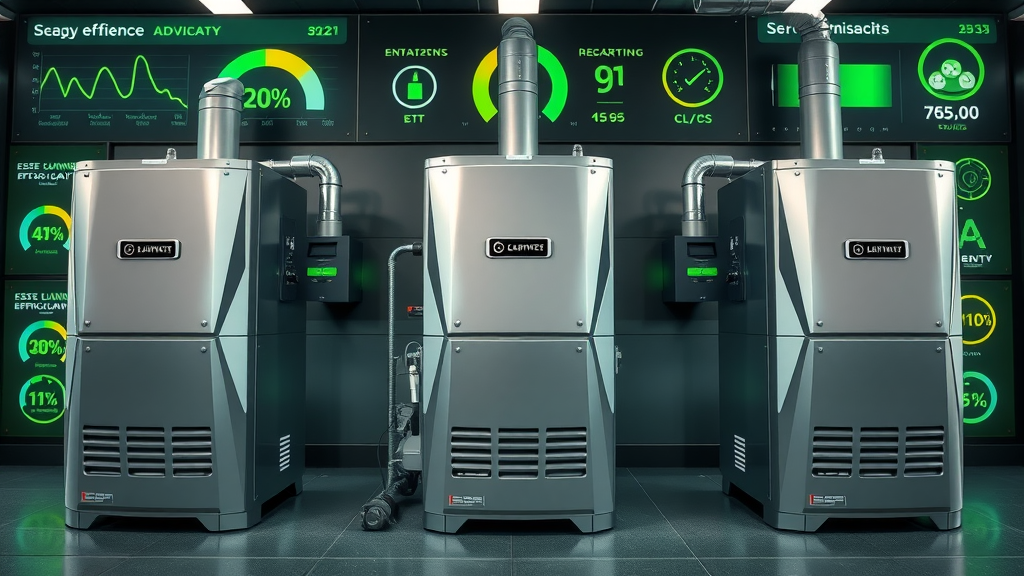
Competition among furnace manufacturers has reached new heights in 2025, with several brands launching 98–99% AFUE models that set the benchmark for home efficiency. These top-tier units feature variable-speed blowers, advanced heat exchangers, smart modulating burners, and compatibility with environmentally friendly refrigerants.
Choosing the right unit comes down to more than branding: Consider ratings from independent energy efficiency furnace check evaluations, service support, and eligibility for rebates. In the next section, we’ll break down leading options and the top trends to help you make a data-driven investment.
Comparing Gas Furnaces: Which Brands Lead in Energy Efficiency Furnace Check Ratings?
Based on 2025 testing, several furnace brands consistently top the charts for efficiency, reliability, and innovation. Lennox, Trane, and Carrier all offer models with advanced diagnostics, whisper-quiet operation, and support for both traditional and advanced smart home systems. Each unit is rigorously tested for AFUE ratings and subjected to independent energy efficiency furnace check scoring, ensuring your purchase stays compliant.
Another standout feature of these models is their compatibility with low-GWP refrigerants, a requirement for installations after 2025. Pay close attention to warranty coverage, support networks, and the ability to pair systems with energy-saving accessories like smart thermostats and synchronized air filtration.
Heat Pumps vs. Traditional Furnaces: 2025 Trends in Energy Savings
Heat pumps are taking center stage in 2025 as the ac industry moves toward electrification and away from fossil fuels. These hybrid systems provide both heating and cooling, performing well across a wide range of climates—especially when integrated with high-performance insulation and smart controls. Compared to older gas furnaces, today’s heat pumps deliver up to 300% more efficiency for every unit of energy consumed.
However, for colder regions or existing ductwork setups, the latest gas furnaces still offer the highest reliability and comfort—when paired with regular energy efficiency furnace checks. Many homeowners are now opting for dual-fuel systems, leveraging the strengths of both approaches while maximizing rebates and incentives.
- Top 3 Energy Efficient Furnaces for 2025:
- Lennox SLP99V Ultimate Comfort System (99% AFUE, ultra-low emission, smart home compatible)
- Trane XV95 Hybrid System (up to 98% AFUE, hybrid-ready, advanced diagnostic controls)
- Carrier Infinity 98 (up to 98.5% AFUE, variable-speed, optimized for low-GWP refrigerants)
People Also Ask: New Furnace Rules, Regulations, Pricing, and Efficiency Insights
What are the new furnace rules for 2025?
Answer: The 2025 furnace rules set stricter energy efficiency minimums and introduce mandatory environmentally friendly refrigerants.
What are the new furnace regulations 2025?
Answer: New regulations require higher SEER ratings for HVAC systems and tighter controls on emissions and refrigerant usage.
Are furnace prices increasing in 2025?
Answer: Yes, experts predict a significant rise in furnace prices due to industry-wide adoption of higher efficiency standards and supply chain issues.
What is the most efficient gas furnace for 2025?
Answer: Several brands are launching 98%-99% AFUE furnaces in 2025, which are among the most efficient gas furnaces ever released.
Frequently Asked Questions: Energy Efficiency Furnace Check in 2025
-
How often should I schedule an energy efficiency furnace check?
Most experts recommend a professional check at least once a year, preferably before the heating season starts. -
Does energy efficiency furnace check apply to both new and old HVAC systems?
Yes, routine checks are vital for both old and new systems to ensure compliance, optimal performance, and maximum energy savings. -
Is it possible to do an energy efficiency furnace check DIY?
You can perform basic filter changes and thermostat setting reviews, but for maximum savings and system safety, professional checks are highly recommended. -
Can a heat pump benefit from an energy efficiency check?
Absolutely! Heat pumps, like gas furnaces, reap major benefits from regular inspections, ensuring top energy efficiency in all seasons.
Key Takeaways: Why Energy Efficiency Furnace Check is Essential for 2025
- 2025 brings more stringent furnace efficiency rules
- Energy efficiency furnace checks cut costs and environmental impact
- Investing in upgrades now prevents costly surprises later
- Stay ahead with routine maintenance and updated HVAC systems
Conclusion: Secure Your Comfort and Savings with an Energy Efficiency Furnace Check Today
"An energy efficiency furnace check in 2025 is not just smart—it's essential for every homeowner."
- For a safer, more efficient, and cost-effective home, schedule your next furnace check with a certified HVAC professional.
Regular energy efficiency furnace checks are essential for maintaining optimal performance and reducing energy costs. The U.S. Department of Energy highlights that heating your home can account for nearly 29% of your utility bill, making furnace efficiency a critical factor in household energy consumption. (energytrust.org)
To assess your furnace’s efficiency, consider its Annual Fuel Utilization Efficiency (AFUE) rating, which measures how effectively your furnace converts fuel into heat. Modern high-efficiency furnaces can achieve AFUE ratings as high as 98.5%, significantly reducing fuel bills and pollution output. (energy.gov)
Additionally, regular maintenance practices such as changing air filters every 1-3 months and scheduling annual professional inspections can enhance furnace efficiency by up to 40%. These steps prevent breakdowns, extend the appliance’s lifespan, and ensure optimal performance. (mcmillinair.com)
By prioritizing routine energy efficiency furnace checks, homeowners can achieve substantial energy savings, improve home comfort, and contribute to environmental protection.


Write A Comment