


Are You Overlooking Signs of Furnace Problems? (Opening Hook)
Have you ever wondered if the subtle noises coming from your heating system are actually warning signs? Don’t wait until your home turns cold or repair costs skyrocket—discover the top signs of furnace problems before it’s too late. Recognizing these warning signs early is your best defense against unexpected breakdowns and expensive furnace repair bills. In this guide, you’ll uncover the symptoms, causes, and solutions for common furnace issues, helping you stay comfortable, safe, and energy-efficient all year long.
Why Recognizing Warning Signs Early Matters
Identifying the warning signs of furnace problems isn’t just about avoiding discomfort—it’s about protecting your safety and your wallet. Strange noises, uneven heat, or a spike in your energy bill could signal serious issues. Many homeowners delay furnace repair, hoping the issue will resolve itself, but this can lead to dangerous situations such as carbon monoxide leaks or complete system failure. By spotting warning signs like short cycling, unusual odors, or pilot light problems, you gain the opportunity to address furnace issues quickly, preventing bigger, costlier problems down the line. Remember, your heating system is crucial for a safe home environment during cold months.

Common Misconceptions About Furnace Issues
A frequent misconception is that furnaces only need repairs when they stop working completely. In reality, most heating systems give off subtle warning signs long before a breakdown. Many believe that quick fixes—like cranking up the thermostat or ignoring brief episodes of uneven heating—are harmless. However, even a noisy blower motor or mild burning odor could indicate underlying problems. From faulty pilot lights in a gas furnace to dirty filters restricting warm air flow, dismissing early hints can risk poor indoor air quality, higher energy bills, and overall system inefficiency. Busting these myths empowers you to be proactive in furnace maintenance.
What You'll Learn About Signs of Furnace Problems
- How to detect warning signs early
- Impact of furnace issues on safety and efficiency
- Key steps for furnace repair and maintenance
- When to consider furnace replacement or professional help
Understanding the Main Warning Signs of Furnace Problems
Unusual Noises: Strange Noises and What They Mean
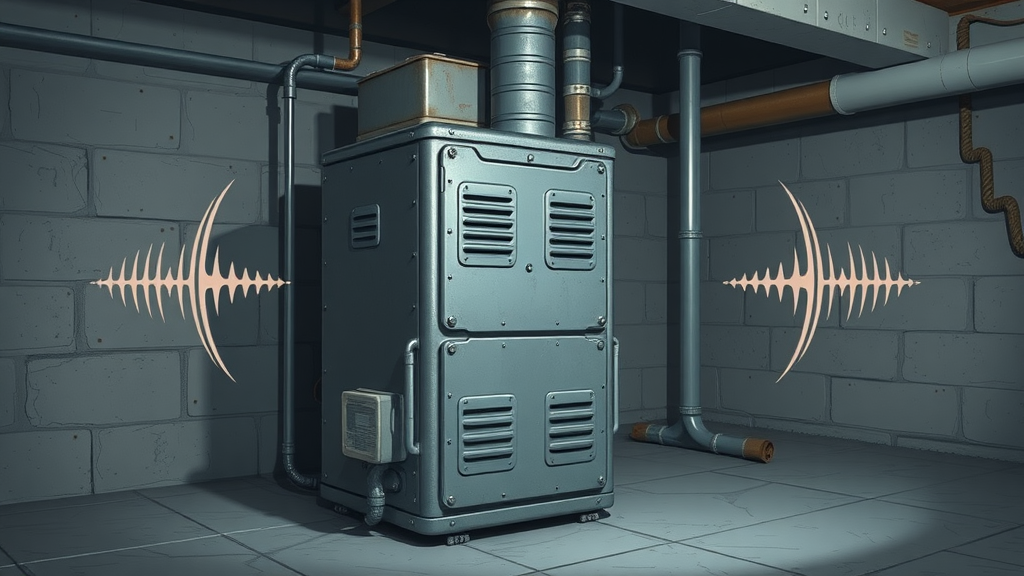
If you start hearing strange noises—clanking, banging, rattling, or screeching—from your furnace, don’t ignore them. These sounds are classic warning signs of furnace problems. A noisy heating system may indicate anything from a loose blower motor to broken belts, clogged burners, or worn-out bearings. Unlike the gentle hum of normal operation, sudden or persistent noises signal mechanical defects that can escalate quickly. It’s essential to differentiate between a single odd noise and ongoing sounds. Persistent strange noises call for professional furnace repair to prevent catastrophic failure, fire risk, or increased repair costs.
Inconsistent Heating: Uneven Heat and Warm Air Problems
Uneven heating and warm air distribution issues are red flags that your furnace might be in trouble. If you notice cold spots in certain rooms while others remain toasty—or if your vents blow only lukewarm air—your heating system could be suffering from a faulty thermostat, leaky ducts, or a failing blower motor. Uneven heat means your furnace is working harder than necessary, pushing your energy bills up and reducing system lifespan. Don’t let rooms become uncomfortably cold or your family shiver due to overlooked signs of furnace problems; early attention restores both comfort and efficiency.
Spike in Energy Bills: How Furnace Problems Affect Your Energy Bill
A sudden increase in your energy bill is often an early warning sign that your furnace isn’t running efficiently. When components like a dirty air filter, malfunctioning burner, or faulty thermostat force the system to work harder, energy consumption skyrockets. If your utility bills are rising but your household habits remain unchanged, furnace issues could be the culprit. Monitoring energy bills alongside other warning signs like short cycling ensures you can address efficiency problems and schedule furnace repair before costs spiral out of control.
Short Cycling: The Role it Plays in Furnace Issues
Short cycling occurs when your furnace turns on and off more frequently than it should, never completing a full heating cycle. This erratic behavior is a serious warning sign that not only indicates problems like overheating, thermostat malfunctions, or blocked air filters, but can also significantly shorten the lifespan of your furnace. Besides discomfort from inconsistent temperatures, short cycling increases energy bills and puts undue stress on moving parts. Prompt recognition and solution—such as professional inspection, cleaning, or repairs—are essential to avoid repeated breakdowns.
Pilot Light Issues: Gas Furnace Safety Indicator
The pilot light acts as a key safety indicator for gas furnaces. If you notice the pilot light is flickering, has turned yellow instead of blue, or won’t stay lit, this could signal gas leaks, ventilation issues, or a compromised ignition system. These conditions not only impact the efficiency and performance of your system but can become health hazards if left untreated. Regular inspection of the pilot light should be a top priority, and any irregularities deserve immediate attention from an HVAC technician before more severe furnace issues arise.

Poor Air Quality: Filters, Dust, and Air Quality Changes
Changes in indoor air quality—such as increased dust, musty odors, or allergy flare-ups—are subtle yet important signs of furnace problems. Clogged or dirty filters can blow dust and debris throughout your home, while failing components reduce overall ventilation. Poor air quality not only affects your family’s health but also points to declining performance of your heating system. Replacing air filters regularly and being alert to changes in air quality ensures your home remains a safe, comfortable refuge during the coldest months.
Most Common Signs of Furnace Problems and Their Causes
List of Warning Signs You Shouldn't Ignore
- Furnace fails to start
- Persistent odors or burning smells
- Frequent cycling
- Discolored pilot light
- Unexpected noises

Whether it’s the furnace refusing to start or odd smells lingering throughout your house, these warning signs should never be ignored. Persistent odors may suggest overheating wires or dirt in the blower motor, while a discolored pilot light—especially yellow—could indicate incomplete combustion and heightened risk of carbon monoxide leakage. Frequent cycling commonly arises from clogged filters or failing thermostats, further compounding energy inefficiency and repair costs. Quick identification and resolution of these warning signs keep repair bills manageable and extend the life of your entire heating system.
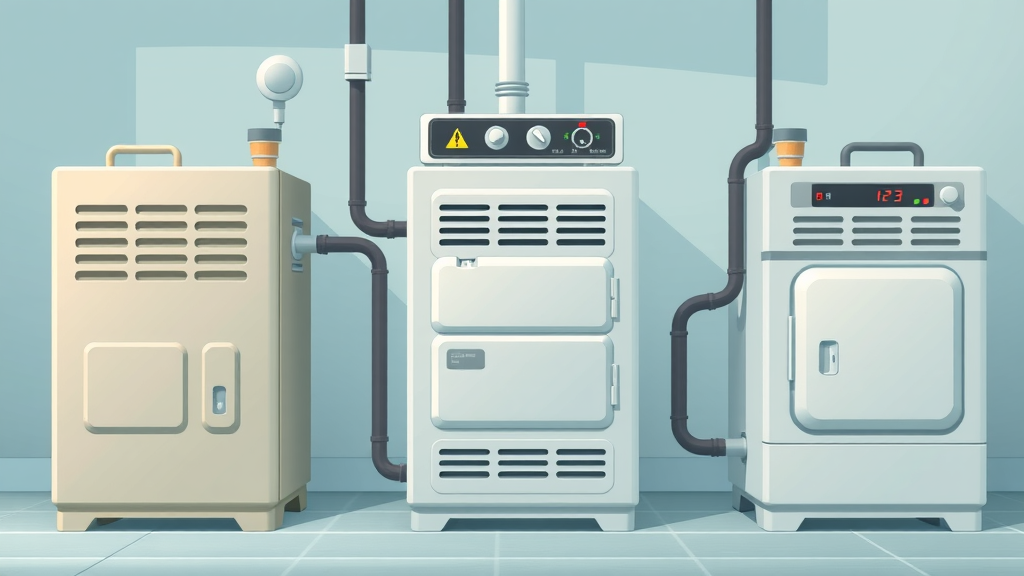
Comparing Gas Furnace, Older Furnace, and New Furnace Systems
| Warning Sign | Gas Furnace | Older Furnace | New Furnace |
|---|---|---|---|
| Strange Noises | Usually due to blower motor or burner issues | Common (worn parts) | Rare, often under warranty |
| Pilot Light Changes | Critical (color or stability changes) | Very common in aging models | Usually replaced by electronic ignition |
| Uneven Heating | Possible leaky ducts or burner problems | Frequent (loss of efficiency) | Unlikely unless installation issue |
| Spikes in Energy Bills | Sign of inefficiency or dirty filter | Likely as parts wear out | Should be efficient, check smart thermostat |
| Short Cycling | May signal overheating or bad thermostat | Frequent with failing safety components | May indicate improper sizing |
The Connection Between Furnace Problems and Other HVAC Systems
Is Your Air Conditioning or AC System Also At Risk?
Your furnace and AC system share vital components—like air filters, ductwork, and thermostats—so furnace problems can quickly spread, affecting overall HVAC performance. If your heating system is experiencing irregularities, your air conditioning could also suffer, especially during seasonal transitions. For example, a clogged filter restricts airflow year-round, causing both the furnace and AC system to overwork and degrade air quality. Regular furnace maintenance and prompt repairs help keep your HVAC system functioning efficiently, reducing headaches and maintaining year-round comfort.
Role of Heat Pump in a Complete HVAC System
If your home uses a heat pump, it plays a dual role in your HVAC system by providing both heating and cooling functions. Heat pumps are highly efficient but sensitive to many of the same warning signs as a traditional furnace, such as uneven heat, strange noises, and short cycling. Ignoring early furnace issues or skipping regular maintenance can undermine the performance of your entire heating and cooling system. Proper care ensures maximum efficiency and extends the useful life of all interconnected HVAC components.
When to Call for Professional Furnace Repair
Benefits of Seeking Expert Help for Furnace Issues
Calling in an HVAC technician or contractor is invaluable when faced with persistent warning signs or complex furnace issues. Certified professionals have the tools and expertise to diagnose problems quickly, safely repair or replace faulty components, and prevent future breakdowns. Whether it’s a finicky pilot light, recurring short cycling, or an unresolved energy bill spike, prompt expert intervention protects your household from hazards and helps control repair costs. Furnace repair done right the first time can add years of reliable operation to your heating system while restoring peak energy efficiency.
How Regular Maintenance Prevents Furnace Problems
The easiest way to fend off costly, inconvenient furnace repair is with regular maintenance. Annual professional inspections, monthly filter changes, and vigilant monitoring for warning signs enable small fixes before they become emergencies. A well-maintained heating system uses less energy, produces cleaner air, and is less likely to suffer from short cycling, blower motor failures, or hazardous pilot light conditions. Sticking to a proactive schedule ensures you enjoy uninterrupted warmth and can avoid the rush (and higher costs) of an emergency wintertime call.
Recognizing When Furnace Replacement Is Necessary
Some furnace problems indicate it’s time to move beyond repairs and consider furnace replacement. Factors like repeated part failures, multiple visits from the HVAC contractor, and escalating repair costs make replacement a smarter choice. If your older furnace struggles to keep up, causes unusually high energy bills, or still uses a standing pilot light, upgrading to a modern, high-efficiency model boosts comfort, reduces energy consumption, and improves safety. Consult a heating professional to assess when it’s time to replace, especially if your system is more than 15–20 years old.
Expert Insights: Industry Quotes on Warning Signs and Furnace Repair
“Ignoring early warning signs of furnace problems often leads to costlier repairs and significant safety risks.” – Certified HVAC Professional
“Regular maintenance is your best defense against dangerous furnace issues.” – Furnace Repair Specialist
Proactive Furnace Maintenance Checklist for 2025
- Inspect and replace furnace filters regularly
- Schedule annual professional furnace inspections
- Monitor pilot light and system operation
- Keep vents and air returns clean and unobstructed
- Listen for unusual furnace noises
Are furnaces going up in 2025? (People Also Ask)
Industry Forecast: Furnace Market Trends and Prices in 2025
The furnace market in 2025 is seeing price increases due to heightened demand, environmental regulations, and supply chain adjustments. As home heating efficiency standards climb, manufacturers are phasing out less efficient models and introducing furnace replacement options that meet strict guidelines. While upfront equipment costs are higher, long-term savings from advanced energy efficiency and improved air quality are considered good news for homeowners. Now is the ideal time to assess your current heating system and budget for potential upgrades or system replacements.
What's the Average Lifespan of a Home Furnace? (People Also Ask)
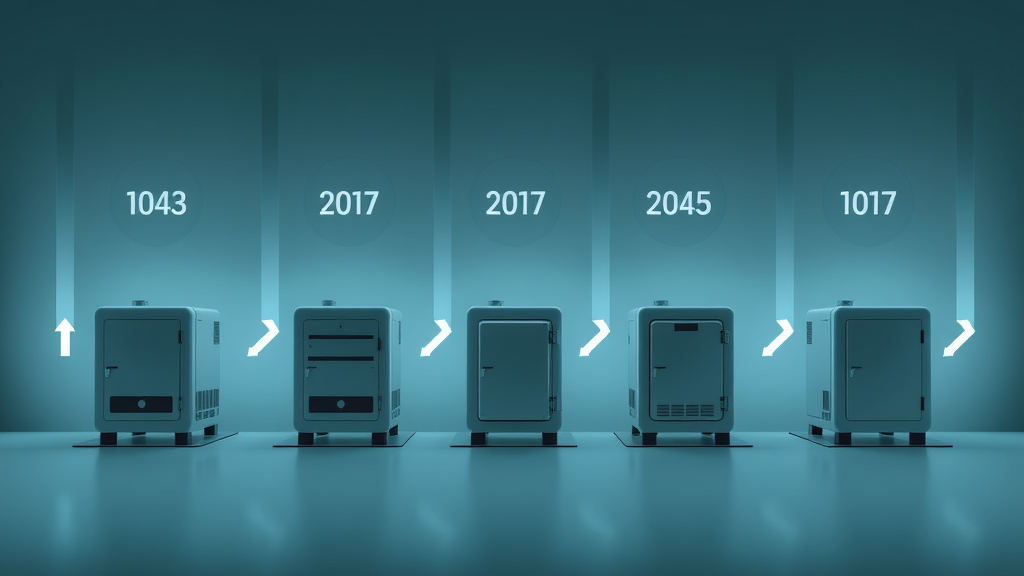
Typical Furnace Lifespans and Upgrade Considerations
Most furnaces last between 15 and 20 years, though some older furnace models may retire sooner. Lifespan depends on factors like fuel type (gas furnace vs. electric), maintenance frequency, and workload. Well-maintained heating systems outlast neglected ones and maintain higher efficiency. If your furnace approaches this age, or exhibits repeated warning signs, consult an HVAC technician to carefully weigh repair or replace options. Upgrading early avoids costly emergencies and maximizes investment in home comfort solutions.
Are Gas Furnaces Going Away? (People Also Ask)
Gas Furnace Phase-Outs and the Move Toward Sustainable HVAC
Environmental initiatives are driving a gradual phase-out of traditional gas furnace models in some areas in favor of electrification and heat pump systems. The transition isn’t immediate, but new home builds and replacements increasingly favor sustainable HVAC technologies. If hesitant about future legal requirements or environmental impacts, talk to a HVAC contractor about modern options for both heating and air conditioning that meet new standards while delivering reliable performance. Regular maintenance remains essential whether your system is gas or electric.
What is the Most Common Furnace Problem? (People Also Ask)
The Number One Warning Sign and How to Handle It
A dirty or clogged air filter is the single most common cause of furnace issues. It restricts airflow, compromises temperature control, and leads to short cycling or complete system shutdown. Pay attention to slow-to-heat rooms, weak airflow, and unusual noises, which often trace back to clogged filter problems. The fix is simple—check and replace your air filter monthly for the healthiest, most efficient furnace operation and the best air quality.
Frequently Asked Questions About Signs of Furnace Problems
-
What causes short cycling in furnaces?
Short cycling is usually caused by clogged filters, malfunctioning thermostats, or overheating due to restricted airflow. It results in rapid on/off cycles that lower efficiency, increase energy bills, and accelerate wear on system components. Routine filter replacements and prompt repairs help prevent short cycling and keep the system operating smoothly. -
Can a furnace problem affect indoor air quality?
Absolutely. Furnace problems like dirty filters, leaky ducts, and malfunctioning blower motors can push dust, allergens, and combustion byproducts into your living space. Poor air quality impacts health and signals the need for immediate furnace maintenance or repair. -
How often should you schedule furnace repair or maintenance?
Schedule professional furnace maintenance at least once a year, ideally before the start of the heating season. Replace or clean air filters monthly, and address any warning signs—strange noises, pilot light changes, or uneven heat—immediately with a qualified HVAC technician. -
What are signs you need furnace replacement versus repair?
Frequent breakdowns, rapidly rising energy bills, and trouble keeping your home warm are signals your furnace is reaching the end of its lifespan. If your system exceeds 15 years or requires repairs costing more than half a new unit’s price, replacement is often the safer, more cost-effective option.
Key Takeaways: Recognizing Signs of Furnace Problems in 2025
- Act promptly on any warning sign
- Understand that regular maintenance prolongs furnace lifespan
- Furnace replacement can be a safer, more efficient choice in some cases
Conclusion: Stay Safe, Stay Warm—Don’t Ignore Signs of Furnace Problems
Proactive Maintenance Is the Key to Home Comfort and Safety
Address furnace warning signs immediately—protect your loved ones, save on energy costs, and enjoy peace of mind all winter long.
To further enhance your understanding of furnace issues, consider exploring the following resources:
-
“Warning Signs Your Furnace Needs Repair Immediately”: This article outlines critical indicators such as unusual noises and inconsistent heating, providing detailed explanations and solutions for each issue. (centralcooling.com)
-
“7 Warning Signs Your Furnace Needs Immediate Attention in Calgary”: This resource highlights key symptoms like strange noises and unusual odors, emphasizing the importance of prompt professional intervention to prevent further damage. (albertacleanair.com)
By reviewing these articles, you’ll gain a comprehensive understanding of common furnace problems and the necessary steps to address them effectively.


Write A Comment