


Hook: Did you know that over 40% of home heating fires originate from neglected furnace safety inspections? In 2025, this hidden risk lurks in more homes than you think, threatening property and peace of mind. Stay ahead of the danger with the latest must-know furnace safety inspection news and actionable tips that could safeguard your home and your loved ones.
Startling Furnace Safety Inspection Statistics for 2025
Recent industry reports indicate an alarming surge in safety hazards linked to furnaces and HVAC systems, especially when homeowners neglect annual safety checks. In 2025, a comprehensive survey by national fire safety organizations found that nearly one in five heating system failures led to substantial property damage, primarily due to missed or incomplete furnace safety inspections. As the colder months settle in and heating systems run around the clock, these risks only grow more significant. This revelation highlights the urgent need for proactive, professional HVAC system assessments—before minor issues escalate into major disasters.
"Studies reveal that over 40% of home heating fires originate from neglected furnace safety inspections — an overlooked risk hiding in plain sight."
With an increased emphasis on indoor air quality, rising energy bills, and new insurance regulations, 2025 is shaping up to be a pivotal year for homeowners to take furnace safety inspection seriously. Experts warn that simple oversights—like ignoring an old air filter, missing a gas leak, or overlooking worn electrical components—can force your system to work harder, jeopardize energy efficiency, and ultimately threaten your family’s safety. Don’t wait for an emergency to act: understanding the scope of these risks is the first step to ensuring a truly maintained system.
What You'll Learn About Furnace Safety Inspection and HVAC System Risks
- Why furnace safety inspections are crucial in 2025
- Expert opinions on identifying HVAC system safety hazards
- The connection between your furnace and overall heating system efficiency
- Latest updates that homeowners need to act on
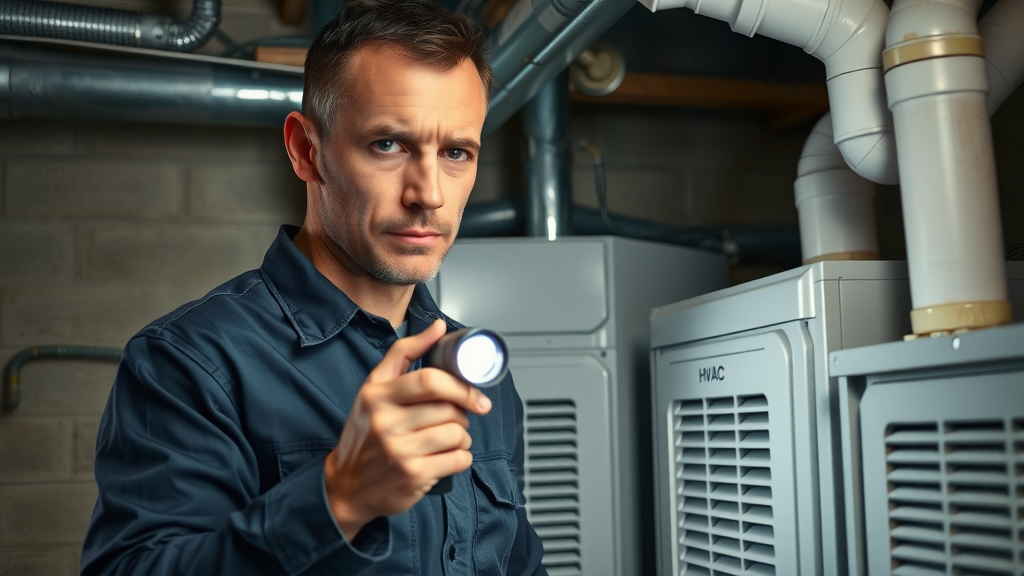
Why Furnace Safety Inspection Matters: Author’s Perspective
Furnace Safety and Real-World Consequences
As someone deeply invested in home safety and comfort, I’ve seen firsthand how a neglected furnace safety inspection can spiral into life-altering events. I’ve talked to families who’ve narrowly escaped electrical fires due to damaged circuit breakers and gas leaks that went undetected far too long. It’s not just about avoiding a costly energy bill—these moments are stark reminders that your home heating system is a powerful machine capable of causing real harm if left unchecked.
Regular maintenance and a thorough professional HVAC system inspection do more than maintain a comfortable living environment—they are a shield against safety hazards that undermine your sense of security. Whether it’s a cracked heat exchanger or a clogged air filter forcing your system to work harder, the consequences of neglect go beyond inconvenience. With energy bills rising and increasingly complex HVAC system technology, professional inspection and cleaning each year aren’t just best practices—they’re essentials for modern homeownership.
How ACHR News Influences Public Awareness on HVAC System Safety
Respected sources like ACHR News have played a pivotal role in raising homeowner awareness about the importance of regular HVAC system inspections. Their investigative coverage has underscored the real risks posed by hidden issues such as frayed electrical wiring, worn-out outdoor unit components, and poor air quality due to blockages. Through expert interviews and data-driven reporting, they’ve made it clear that a proactive approach—rather than corrective action after a breakdown—protects both people and property.
Public campaigns fueled by outlets like ACHR News have also influenced policy, leading to updated safety codes, stricter insurance requirements, and broader education about HVAC system and furnace safety. By shining a light on common oversights—like skipping that annual check or misunderstanding the importance of precise control over your heating and cooling system—they help homeowners recognize problems before they escalate, driving home the importance of a maintained system for everyone.
Breaking Down a Professional HVAC System Furnace Safety Inspection
A professional furnace safety inspection delivered by a certified technician is far more comprehensive than a quick homeowner glance. These inspections include in-depth evaluations of HVAC system components, electrical connections, safety switches, gas leak detection, and checks on both air filter condition and the outdoor unit. The goal is to ensure your system operates safely, efficiently, and within the latest regulatory requirements—catching minor issues before they evolve into safety hazards or expensive repairs.
While DIY visual checks have value, they often miss subtle warning signs that an expert’s trained eye would spot. For example, a professional will test circuit breakers and controls for signs of overheating, inspect the heat exchanger for cracks or corrosion, and assess airflow patterns to catch problems that may trigger heating system inefficiency, higher energy consumption, or even carbon monoxide risks. The depth of a professional inspection delivers unmatched peace of mind.
| Inspection Element | Professional HVAC System Inspection | DIY Visual Check |
|---|---|---|
| HVAC System Components | Detailed examination of blower, motors, belts, and controls | Basic look for visible wear or dust |
| Electrical Components | Test wiring, circuit breakers, safety switches with tools | Check for burnt smells or loose wires |
| Air Filter | Check and recommend replacement based on inspection | Remove and see if dirty |
| Gas Leak Detection | Precision gas sniffers to detect minuscule leaks | Smell for gas, but subtle leaks may be missed |
| Outdoor Unit Evaluation | Assess for obstruction, efficiency, component test | Look for visible debris or ice |
Safety Hazards Uncovered by Furnace Safety Inspections
Every year, professional technicians discover a range of safety hazards hidden within even the most seemingly well-maintained systems. The most alarming is the threat of gas leaks—which can spiral into potentially fatal explosions if undetected. Technicians are also on the lookout for worn electrical components, which can short circuit or overheat, and clogged air filters, which compromise both air quality and system efficiency. Malfunctioning outdoor units are another frequent culprit, often resulting in the system working harder, driving up energy bills, and increasing risk of a full failure during peak heating or cooling months.
- Hidden gas leak dangers
- Worn electrical components
- Clogged air filter issues
- Malfunctioning outdoor unit
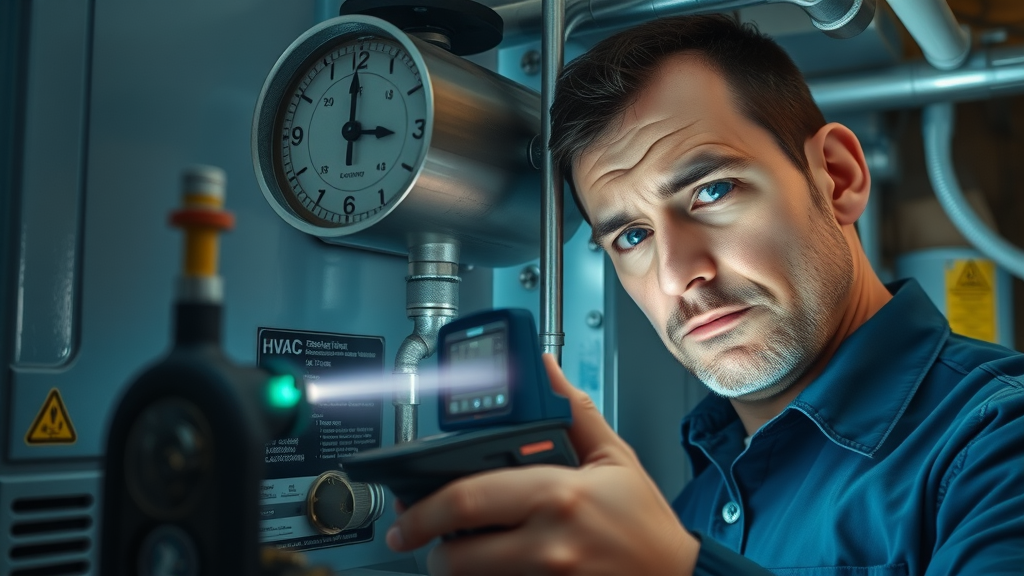
It’s easy to overlook these hazards in a well-maintained system, which is why standard DIY checks are rarely enough. A malfunctioning heat exchanger or misaligned circuit breaker might not produce visible symptoms until damage has already occurred. That’s why seasoned professionals urge all homeowners to stick to a documented inspection schedule, ensuring that even silent dangers are revealed and addressed promptly by trained eyes using specialized tools.
Common and Overlooked Safety Hazards in a Maintained System
Even with regular upkeep, there are safety issues liable to sneak past the typical homeowner. Subtle gas leaks often emit no odor, and worn wires or frayed electrical components can be hidden from sight but still pose fire and electrocution risk. A clean air filter might still fail under stress if airflow is restricted elsewhere, and cracked heat exchangers aren’t easily visible without expert disassembly. Over time, small lapses can add up, forcing the system to work harder and increasing the likelihood of system breakdowns that threaten both comfort and safety.
Another overlooked area is the outdoor unit—its clearance can be compromised by shifting debris, ice, or plant overgrowth, reducing efficiency and adding wear to vital system parts. These unaddressed issues not only hike up your energy bills but also threaten the reliability of your heating system when you need it most. Emphasizing regular professional inspections offers unmatched assurance, protecting families from both obvious and hidden risks in their HVAC system.
How Often Should You Schedule a Furnace Safety Inspection?
The gold standard for a maintained system is a professional HVAC inspection at least once a year. This annual schedule aligns with most insurance policies and is recommended by safety organizations, including ACHR News. Homes with older systems, recent renovations, or a history of furnace issues should consider more frequent checks—especially before the heating system kicks into high gear for the colder months.
- Annual inspection recommendations: Book your furnace safety inspection before each heating season begins to prevent system breakdowns.
- Signs your heating system may need immediate attention: Strange smells (like gas), frequent circuit breaker trips, rising energy bills, or uneven heating are all red flags.
- Tips for choosing a professional HVAC expert: Look for licensed, insured technicians with solid reviews, up-to-date training, and a thorough checklist approach.

Expert Opinions: What the Industry Is Saying About Furnace Safety Inspection
Industry veterans are united in their message: proactive furnace safety inspections save lives and money. Across trade publications like ACHR News, technical conferences, and safety forums, experts emphasize that disasters are almost always preventable with regular oversight. Technicians routinely cite cases where thorough inspections have caught dangerous gas leaks or imminent equipment failures just before disaster struck, highlighting the critical nature of annual checkups.
"A proactive approach to furnace safety inspection can prevent not only property loss but also save lives." – Industry Professional
Experts also point to new technologies, such as smart thermostats and digital system monitors, that can aid—but not replace—a hands-on, professional HVAC system inspection. These devices offer more precise control over heating and cooling, but the in-person expertise to assess heat exchangers, electrical components, and air filters remains indispensable. Leading authorities stress: always trust a seasoned technician for deep diagnostics to keep your family safe and your system running efficiently.
2025 Furnace Safety Inspection News and Regulatory Updates
This year brings significant updates in regulations and industry practice that every homeowner should know. The 2025 code revisions require more rigorous documentation of furnace safety inspections, while property insurance carriers are increasingly demanding proof of annual checks before renewing coverage. Fines for noncompliance are also steeper, and several states have launched public safety campaigns to educate about safety hazards associated with neglected HVAC systems.
- New code requirements
- Insurance implications of skipping inspections
- Noteworthy fines and safety campaigns

As enforcement tightens, homeowners risk denied claims and heavy penalties if they cannot verify system maintenance or if a fire investigation reveals skipped inspections. This regulatory push serves as a clear motivator: investing in a professional HVAC system inspection isn’t just intelligent—it’s becoming a legal necessity in 2025.
People Also Ask: Furnace Safety Inspection and HVAC System FAQs
What should be included in a furnace safety inspection?
A comprehensive inspection covers all major HVAC system components, including blower motors, heat exchanger, air filter, thermostat, electrical wiring, circuit breakers, and gas leak detection. Experts also check air quality, the outdoor unit, controls, and all safety switches to ensure the system runs efficiently and safely.
How do I know if my HVAC system needs an inspection?
If you notice rising energy bills, uneven heating or cooling, abnormal noises, circuit breakers tripping, or unusual smells (especially gas), your system is overdue for a professional checkup. Even a well-maintained system can develop invisible issues, making annual inspections essential for safety and comfort.
Are furnace safety inspections required by law in 2025?
In many jurisdictions, annual or biennial furnace safety inspections are now mandated for insurance and occupancy compliance. The 2025 codes have expanded reporting and documentation requirements. Consult your local building authority or insurance provider for details relevant to your property.
What are the most common safety hazards found during inspections?
The biggest threats include gas leaks, frayed or worn electrical components, clogged air filters that lower air quality, malfunctioning outdoor units, and cracked heat exchangers. These issues, if left unaddressed, can escalate into fires, carbon monoxide exposure, or major system failures.
Answering People Also Ask About Furnace Safety Inspection
Furnace Safety Inspection Checklist and Key Steps
The key to effective furnace safety inspection is following a strict, step-by-step checklist that leaves nothing to chance. This process begins with shutting off power to the HVAC system, visually inspecting for surface damage, and methodically testing all electrical components and safety switches. Next, the technician checks the air filter and replaces it if necessary, inspects the heat exchanger, evaluates the thermostat for precise control, and uses specialized equipment to detect any gas leaks.
Other critical steps include reviewing the outdoor unit for debris or hidden damage, checking circuit breakers and connections, and analyzing system performance under load. Each finding is recorded, and any safety hazards or efficiency issues are explained to the homeowner, often with recommendations for immediate repair or longer-term upgrades. This comprehensive approach ensures consistent, dependable heating and cooling, and reduces the risk of costly or dangerous breakdowns.
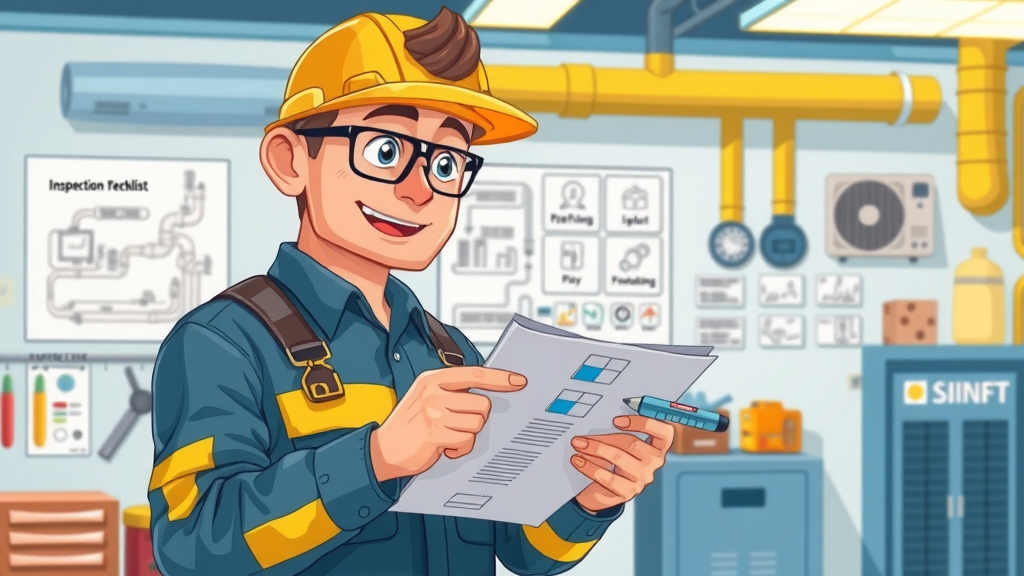
Comparing Professional HVAC Inspections vs. DIY Checks
While DIY checks empower homeowners to spot obvious issues, they lack the depth and expertise of a true professional HVAC inspection. A trained technician brings years of experience, advanced diagnostic tools, and a working knowledge of the latest safety protocols—ensuring small issues are caught before they become dangerous or costly. The peace of mind from a thorough, comprehensive inspection is unmatched by even the most diligent visual check.
| Aspect | Professional HVAC Inspection | DIY Check |
|---|---|---|
| Pros | Thorough, detects hidden hazards, legal documentation, preserves warranty | No cost, accessible at any time, builds homeowner awareness |
| Cons | Requires scheduling, carries a service fee | Unlikely to catch deep/internal issues, no legal documentation |
| Costs | $100–$250 per annual inspection (varies by region and system complexity) | Free, apart from cost of any discovered repairs |
| Depth | Systematic, covers over 25 points, compliant with new regulations | Superficial; focuses on visible components, misses hidden faults |
Top Safety Tips for a Maintained System and HVAC System Longevity
- Regular air filter changes: Swap filters every three months—or monthly during heavy use—to keep air clean and maintain system efficiency.
- Checking for safety hazards: Visually inspect for leaking gas or oil, frayed wires, and signs of overheating near circuit breakers.
- Maintaining outdoor unit clearance: Keep the area around your outdoor unit free of debris, plants, or ice to optimize airflow and prevent overwork.
- Scheduling timely HVAC system inspections: Set reminders for professional checkups before peak seasons and after any suspicious symptoms appear.
Frequently Asked Questions About Furnace Safety Inspection
-
How long does a furnace safety inspection take?
Most professional inspections take 45–90 minutes, depending on system complexity and any issues found during the process. -
Is it safe to perform minor repairs myself?
Homeowners can replace an air filter or clear debris around the outdoor unit, but electrical and gas-related repairs should always be left to certified professionals for safety and compliance. -
Do smart thermostats impact HVAC system safety?
While smart thermostats can increase precise control and energy efficiency, they don’t replace the need for physical inspections of components and safety devices.
Key Takeaways: Furnace Safety Inspection in 2025
- Furnace safety inspection can highlight major HVAC system concerns before disaster strikes.
- Recent 2025 updates stress annual professional checks and homeowner awareness.
- Proactive safety steps ensure a maintained system and lower overall risk.
Conclusion: Don't Wait – Furnace Safety Inspection Is Your Best Insurance
Stay safe and secure: make furnace safety inspection an annual priority to protect your home and loved ones in 2025 and beyond.
Act Now: Schedule Your 2025 Furnace Safety Inspection and Secure Your Home
Regular furnace safety inspections are essential for maintaining a safe and efficient home heating system. The U.S. Consumer Product Safety Commission emphasizes the importance of annual inspections to identify hazards such as carbon monoxide leaks and blockages in venting systems. (cpsc.gov) Additionally, a comprehensive inspection should include checking the thermostat, air filter, blower motor, heat exchanger, burners, flame sensor, ventilation system, electrical connections, safety controls, gas line, and ignition system to ensure optimal performance and safety. (bcrcheating.com) By staying proactive with these inspections, homeowners can prevent potential dangers and ensure their heating systems operate efficiently throughout the colder months.


Write A Comment